PHANG-NGA, Thailand – Escalating conflict in the Middle East is rattling Thailand’s tourism core, with the coastal hub of Khao Lak in Phang Nga province emerging as the hardest-hit area in the south following major flight suspensions.
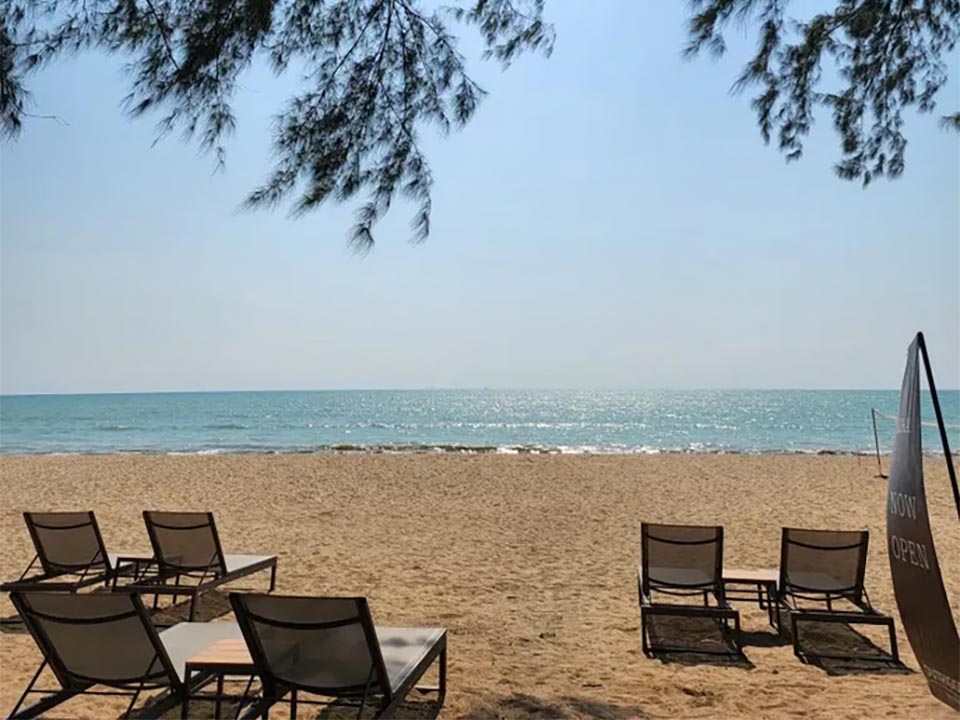
Khao Lak, which relies heavily on European travelers as its primary economic lifeline, is reeling from the impact of global geopolitical tensions. Local transport operators at Nang Thong Beach report a total absence of customers, even as they wait from dawn until late afternoon.

Phang Nga Hotel Association data for 2025 shows Khao Lak’s extreme dependence on high-quality markets: Europe accounts for 77% of arrivals, followed by the Middle East at 12%, and the remainder from Oceania and Asia. In 2025, the area generated over 56 billion baht, with European tourists noted for high spending and long stays.
However, since fighting erupted on Feb. 28, the closure of Middle Eastern airspace has forced three major airlines to halt operations. This has triggered a wave of cancellations across Khao Lak for March, with concerns that the impact may extend into the next peak season if the conflict remains unresolved.
Local hoteliers are urging the government to restore confidence through energy security measures and the revival of domestic stimulus programs, and targeted Asian market promotion to bridge the gap left by the European market. They also called for price controls on fuel and airfares.
Currently, approximately 1,200 tourists remain in Khao Lak, down from 5,000 before the conflict. All are expected to be repatriated via special flights by next month. Industry leaders are now closely watching for government intervention to prevent this “gold mine” of Thai tourism from facing a premature and prolonged slump due to the geopolitical crisis. (TNA)