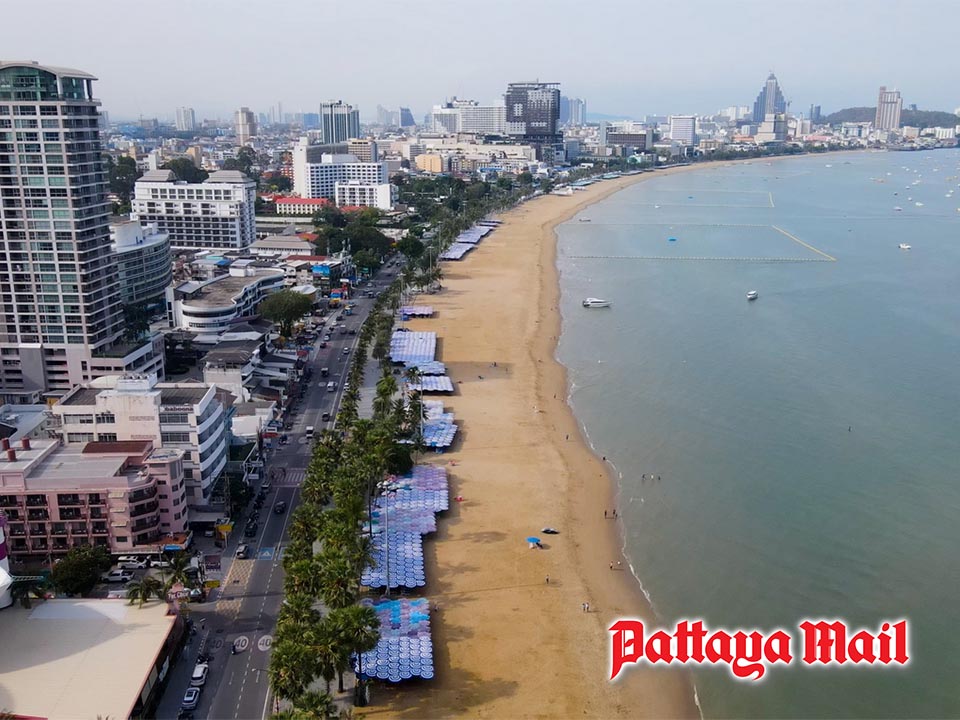
PATTAYA, Thailand – For many tourists, a “great beach” simply means clear water, clean sand, and beautiful scenery. But for Pattaya, one of Thailand’s best-known international tourism cities, that definition is rapidly evolving. Today, Pattaya Beach is no longer judged only by appearance, but increasingly by the quality of its management system — from orderliness and safety to sustainability and long-term environmental control. As competition among tourism destinations intensifies worldwide, Pattaya is attempting to reposition its beaches not merely as scenic attractions, but as professionally managed public spaces built around internationally recognized standards.
According to Pattaya Mayor Poramet Ngampichet, the city has spent recent years moving beyond cosmetic improvements toward creating a long-term operational system capable of maintaining beach quality in a measurable and sustainable way. Pattaya recently received ISO 13009:2015 certification, an international standard covering beach cleanliness, safety, and environmental management. The city’s beaches have also been rated at a “very good” level under Thailand’s natural tourism destination standards. The mayor said these recognitions reflect a broader shift from focusing on image alone toward creating systems that can be consistently evaluated and maintained over time. Pattaya has also gained attention internationally after being ranked among the world’s leading beaches in the Golden Beach Award 2024 by BeachAtlas, placing 12th out of 100 global beaches based on votes and assessments from travelers, photographers, and influencers worldwide.
City officials say the goal is no longer simply to make beaches look attractive, but to ensure they remain functional, organized, and capable of supporting large tourist numbers without sacrificing overall quality.
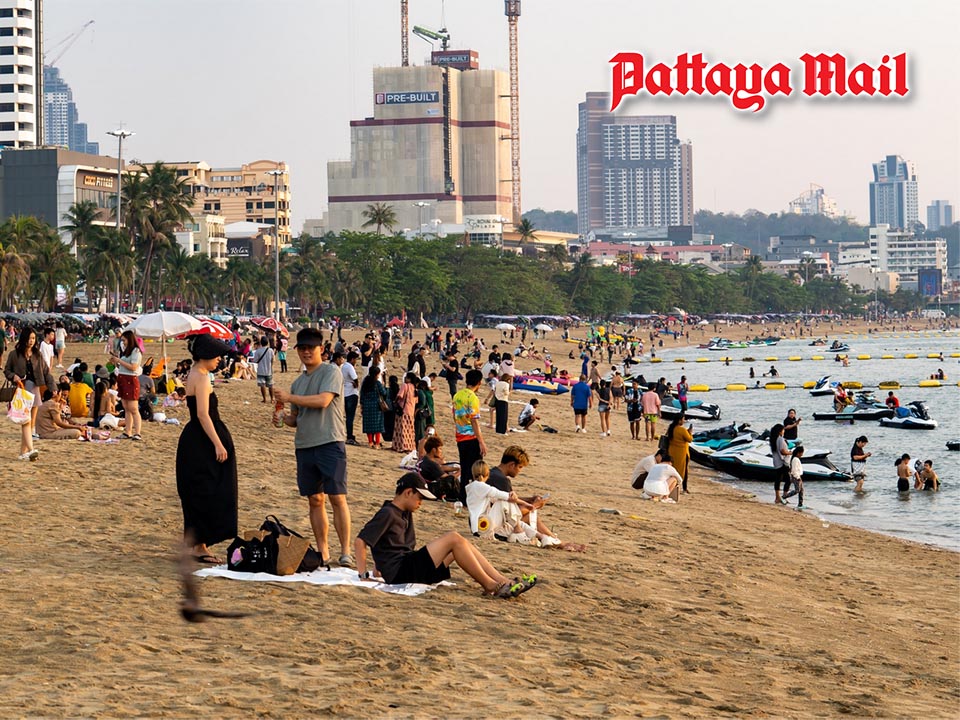
One of the most visible examples of Pattaya’s management approach is its structured beach zoning system. The city regulates the placement and density of umbrellas and beach chairs while maintaining open public spaces and pedestrian access along the shoreline. Distinct umbrella color schemes have also become part of Pattaya’s beach identity. Pattaya North uses blue and white umbrellas, Central Pattaya green and white, and South Pattaya purple and white. Officials say the color-coded system is not merely decorative, but part of a broader zoning strategy designed to organize operators, control overcrowding, and create a more uniform visitor experience. The system currently covers thousands of umbrellas across Pattaya Beach and extends to major coastal areas including Jomtien Beach and Pratumnak Beach. Behind the umbrella arrangements is also a management model built on cooperation between city authorities and beach operators. Pattaya officials say clearly defined operating zones allow businesses to function more effectively while enabling the city to regulate density, cleanliness, and beach accessibility.
Urban planners increasingly view beach management as a reflection of wider city governance. In Pattaya’s case, officials argue that details such as umbrella spacing, zoning rules, and maintenance standards have become part of a larger strategy to improve the city’s global tourism image and long-term sustainability. For Pattaya, becoming a “world-class beach destination” is no longer only about natural beauty. It is increasingly about whether the city can build systems capable of maintaining standards consistently as visitor numbers continue to grow. Officials say that in an era where tourists have more choices than ever, the destinations that stand out may not necessarily be the most beautiful — but the ones able to combine beauty with structure, safety, sustainability, and effective management.