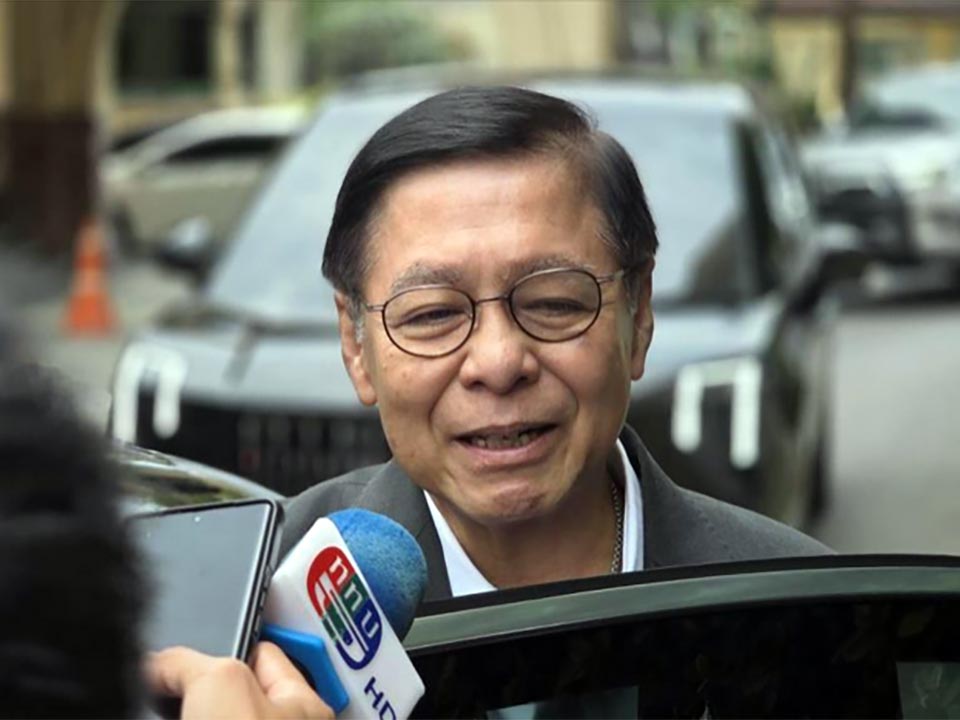
BANGKOK, Thailand – At Government House on November 19, Deputy Prime Minister and Foreign Affairs Minister Sihasak Puangketkaew and Defense Minister Lt. Gen. Adul Bunthamcharoen held discussions on national security matters following the Cabinet meeting. Sihasak explained that his planned visit to Thailand’s southern border provinces on November 20 has been postponed due to urgent official duties. The visit was originally intended to assess operations under the Southern Border Provinces Administrative Centre (SBPAC) and strengthen coordination among relevant agencies. He reaffirmed the government’s commitment to achieving lasting peace in the region, stressing the importance of integrated and coordinated work between civilian and military agencies as a key priority.
On border issues with Cambodia, Sihasak confirmed that Phnom Penh has been informed of Thailand’s decision to terminate the 2001 Memorandum of Understanding (MOU 44). He said future discussions will be conducted under the framework of the United Nations Convention on the Law of the Sea (UNCLOS), which will guide how both sides proceed in resolving maritime boundary matters.
He also revealed that Thailand is preparing to propose the appointment of a new Joint Boundary Commission (JBC) chairman to the Cabinet, with former National Security Council Secretary-General Gen. Somsak Rungsita expected to take the role.
Sihasak said the selection was based on the nature of the work, particularly the need to align border demarcation efforts with military coordination and ensure unified direction between the JBC and the General Border Committee (GBC). He added that the government aims to streamline cooperation with the armed forces and ensure all agencies move in the same direction, emphasizing that border management requires more than just technical expertise but also strategic coordination.