BANGKOK, Thailand – The Department of Foreign Trade (DFT) has introduced a 2026 roadmap to expand Thai cassava exports to promising international markets. The strategy prioritizes high-value processed products, including cassava pellets, modified starch, and premium-grade flour, to meet increasing demand from Japan’s industrial sectors.
Key target markets in Japan are the growing livestock and consumer goods sectors, both of which rely on cassava starch as a primary raw material. This initiative builds on the department’s successful 2025 trade mission. Recently, Japanese agricultural innovators and food production consultants have shown increased interest in importing tapioca pearls and thermoplastic starch from Thai cassava.
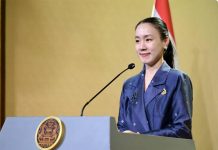
DFT Director-General Arada Fuangtong stated that Thai cassava is recognized for its quality and advanced production technology. She highlighted that premium-grade starch offers significant value-added potential and is a versatile raw material for downstream industries. Its non-GMO, gluten-free status also meets Japan’s strict consumer safety and quality standards, further strengthening export prospects.
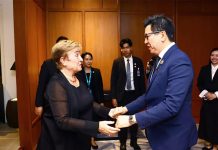
To advance these opportunities, the Director-General has appointed Deputy Director-General Noppadon Kuntamas to lead a trade mission to Tokyo. The delegation will hold high-level discussions with leading Japanese importers in the livestock, food, and consumer goods sectors.
This mission aims to connect Thai exporters with Japanese importers and raise awareness of Thai cassava’s advantages. The department seeks to build trust and develop a strategic partnership. The DFT is confident this initiative will increase income for Thai farmers and entrepreneurs, diversify trade risks, strengthen the industry, and help stabilize domestic cassava prices. (NNT)