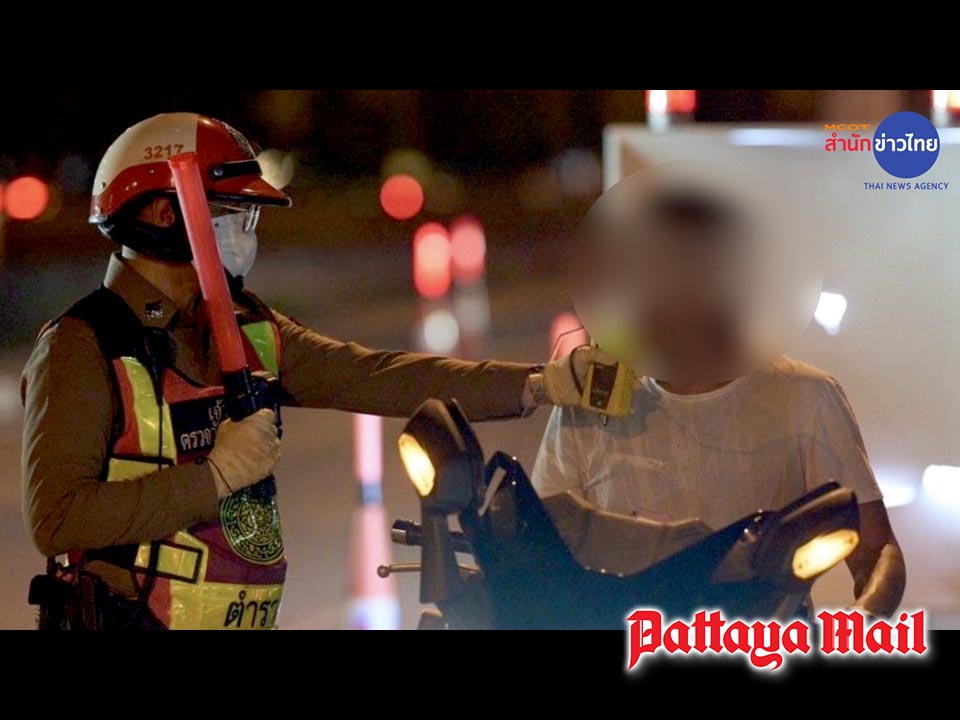
PATTAYA, Thailand – The Royal Thai Police has reaffirmed a nationwide zero-tolerance policy on drunk driving, warning that there will be no verbal cautions before prosecution and that refusing a breathalyzer test will be treated as drunk driving under Thai law.
Police General Samran Nualma, Deputy Commissioner-General of the Royal Thai Police, said traffic officers across the country have been instructed to strictly enforce the law in line with the 2026 fiscal policy set by National Police Chief Kitrat Phanphet. The policy emphasizes stronger traffic discipline and accident prevention, particularly in high-risk and high-traffic areas.
Authorities said enforcement will be intensified not only in Bangkok but also in major tourist destinations such as Pattaya, Phuket, Chiang Mai, and other popular travel hubs, where alcohol-related driving offenses are frequently reported during weekends, holidays, and festival periods. Police checkpoints and mobile patrols are expected to be increased in nightlife zones, beach areas, and arterial roads connecting tourist districts.
Pol. Gen. Samran said drunk driving remains one of the leading causes of serious road accidents, resulting in injuries, deaths, and property damage each year. For that reason, officers have been told to act decisively and transparently, with immediate legal action taken once an offense is detected.
He cited a case on February 20, 2026, involving a motorist who displayed signs of intoxication, refused an alcohol test, attempted to flee, and assaulted traffic police officers. After being detained, the driver was later found to have an alcohol level of 126 milligrams percent, far above the legal limit. Police confirmed the suspect faces multiple charges and that legal proceedings are underway.
Under Thai law, refusing to submit to a breathalyzer test is legally presumed to be drunk driving and carries the same penalties as a confirmed offense, in addition to potential charges for disobeying an official order. Penalties can include fines, imprisonment, and suspension or revocation of a driver’s license, with significantly harsher sentences if the offense results in serious injury or death. Repeat offenders within two years face heavier punishments, including higher fines and longer jail terms.
Police Lieutenant General Nithithorn Jintakanon, Commander of Police Education and head of the Traffic Police image enhancement task force, called on both Thai citizens and foreign visitors to strictly follow the principle of “don’t drink and drive,” especially in tourist cities where traffic density and late-night alcohol consumption are common.
He also commended traffic officers nationwide for carrying out their duties with patience and professionalism, even in situations where they face verbal abuse or physical assault while enforcing the law.
The Royal Thai Police urged the public to respect traffic regulations and help build a safer road culture, noting that preventing drunk driving is a shared responsibility. Members of the public can seek traffic assistance or report incidents through the Traffic Police hotline 1197 or the Highway Police hotline 1193, available around the clock.