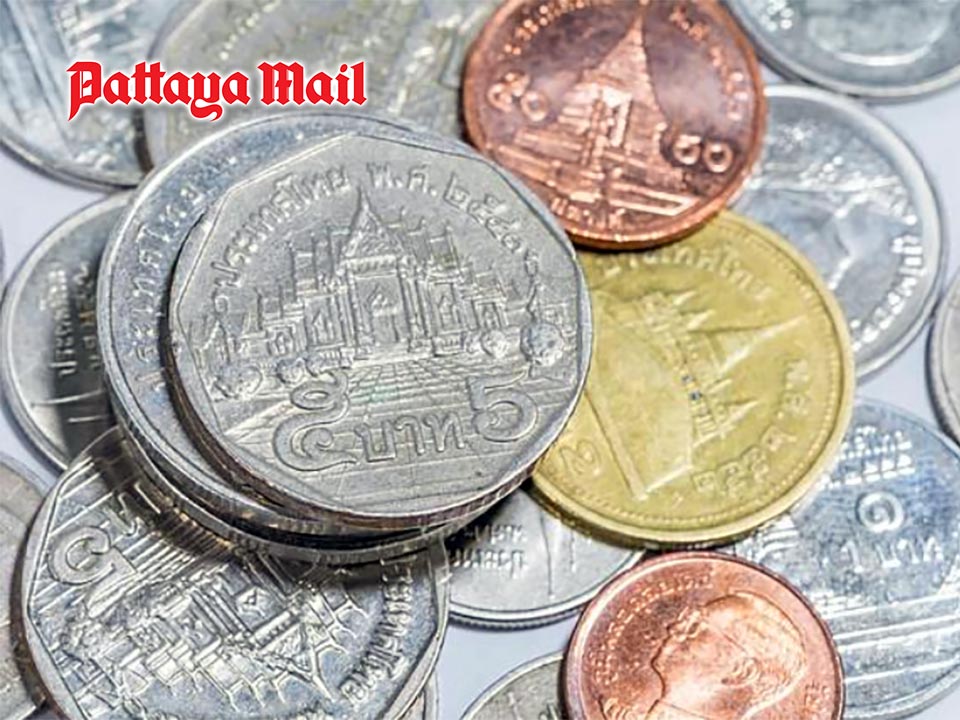
PATTAYA, Thailand – The Thai baht opened slightly stronger on Wednesday morning, trading at 32.37 baht per U.S. dollar, compared with the previous close of 32.40, according to Krungthai GLOBAL MARKETS. Analysts said the baht continues moving within a sideways range amid global uncertainty, with expectations that the currency will fluctuate between 32.25 and 32.50 baht per dollar over the next 24 hours. Since overnight trading, the baht has lacked clear direction, moving between support levels near 32.30 and resistance around 32.50. Pressure on the currency came from a stronger U.S. dollar, rising U.S. 10-year Treasury yields, and weaker gold prices following higher-than-expected U.S. inflation data.
April U.S. Consumer Price Index (CPI) inflation reportedly rose to 3.8%, above market expectations, while Core CPI — excluding food and energy prices — climbed to 2.8%, also beating forecasts. The stronger inflation data has led markets to increase expectations that the U.S. Federal Reserve could raise interest rates once more this year, with traders now pricing the probability at around 40%.
Investors are now closely watching upcoming U.S. Producer Price Index (PPI) data and speeches from Federal Reserve officials for further clues on monetary policy direction. Markets are also monitoring U.S. crude oil inventory figures from the Energy Information Administration (EIA), which could affect short-term movements in oil prices. At the same time, investors remain focused on the upcoming Trump-Xi summit scheduled for May 14-15, alongside continuing tensions in the Middle East and the latest earnings reports from major listed companies.
Krungthai analysts warned that the baht still faces significant “two-way risk” in the short term due to ongoing geopolitical uncertainty and fluctuating market sentiment. The bank said traders and businesses should consider more diversified currency risk management strategies, particularly options-based hedging tools, as volatility remains elevated. Analysts believe investors may avoid making aggressive moves until clearer signals emerge from the Trump-Xi talks and additional U.S. economic data. During the day, the baht could also face pressure from dividend payment outflows to foreign investors and foreign selling of Thai assets. However, analysts said further depreciation may remain limited unless Middle East tensions escalate sharply, which could potentially push the baht toward the 32.75-32.85 range against the dollar.