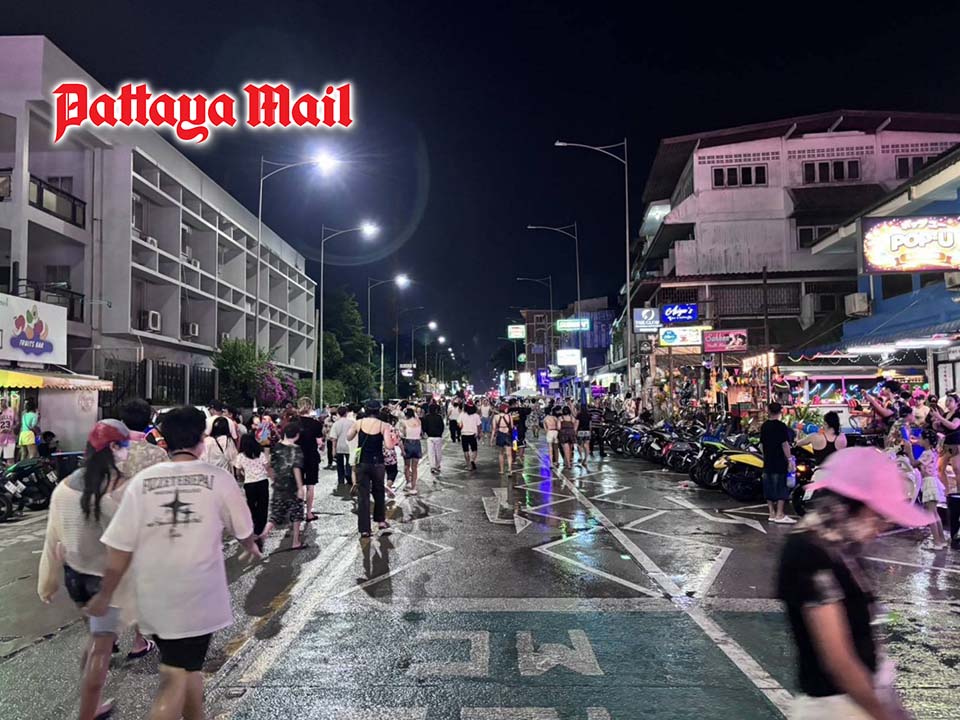
PATTAYA, Thailand – The water has dried, the streets have cleared, and the music has faded, but for many long-term visitors in Pattaya, the aftermath of this year’s Songkran has left behind more frustration than fond memories.
Once celebrated as a joyful, culturally rich festival marking the Thai New Year, Songkran in Pattaya has steadily evolved into an extended, high-intensity water battle—particularly with the city’s famously prolonged celebrations stretching well beyond the traditional dates. For some, that evolution is starting to feel less like fun and more like a free-for-all.
Comments circulating in local forums reflect a growing unease. One long-term visitor summed it up bluntly: “One time, never again.” Others echoed similar sentiments, pointing to what they describe as a lack of structure, enforcement, and basic safety considerations.
A recurring theme in these reflections is the absence of clear rules. Unlike in previous years—especially before the pandemic—many say there were once informal “gentleman’s agreements” that governed behavior: softer play, respect for those not participating, and an understanding of when to stop. Now, they argue, those unwritten codes have largely disappeared.
The result, according to critics, is an environment where boundaries are unclear and excess often goes unchecked. Complaints range from water being thrown at motorists—creating dangerous road conditions—to more aggressive behavior such as high-pressure water guns aimed at faces and the use of ice water, which can cause shock or injury.
“It’s not that people don’t enjoy Songkran,” one commenter noted. “It’s that it no longer feels safe or respectful. At times, it feels almost malicious.”
These concerns highlight a broader tension facing Pattaya’s tourism model. While the city continues to draw large crowds during festival periods, particularly younger travelers seeking high-energy experiences, it also relies heavily on repeat visitors and long-term stays—groups that may be more sensitive to issues of safety, comfort, and quality of life.
Some are now calling for authorities to take a more active role. Suggestions include establishing official cut-off times for water play, enforcing no-splash zones (especially on major roads), and introducing meaningful penalties for dangerous behavior. The aim, they say, is not to dampen the fun, but to restore balance.
There is also a sense of cautious optimism. Despite the criticism, many of those voicing concerns emphasize that they still love Songkran and hope to return—if improvements are made.
For Pattaya, the message is clear: the festival’s future success may depend not just on how big it gets, but on how well it is managed.
As one long-term visitor put it, “We want to enjoy it again next year—but something needs to change.”