PATTAYA, Thailand – The beauty of the sea is not always lost to waves and storms. Sometimes, it fades quietly—burdened by what people leave behind.
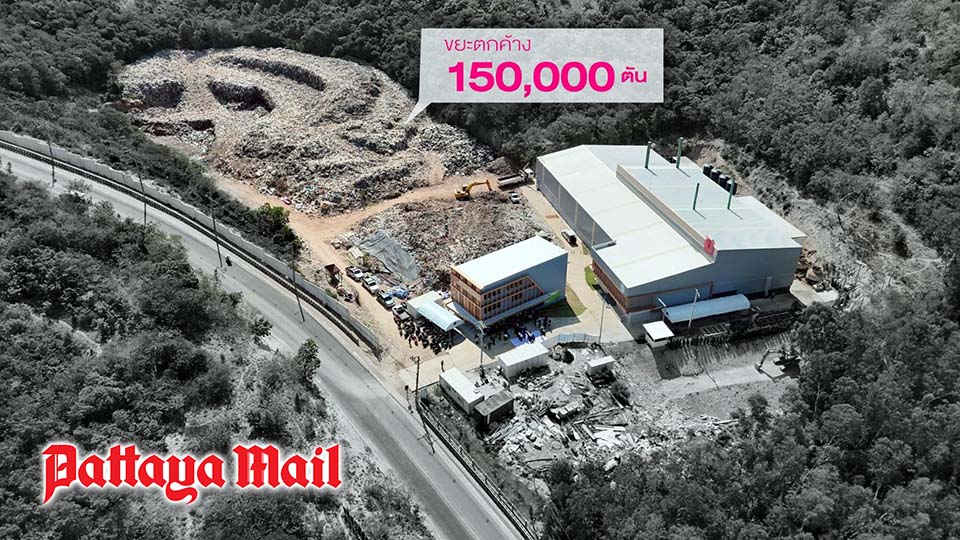
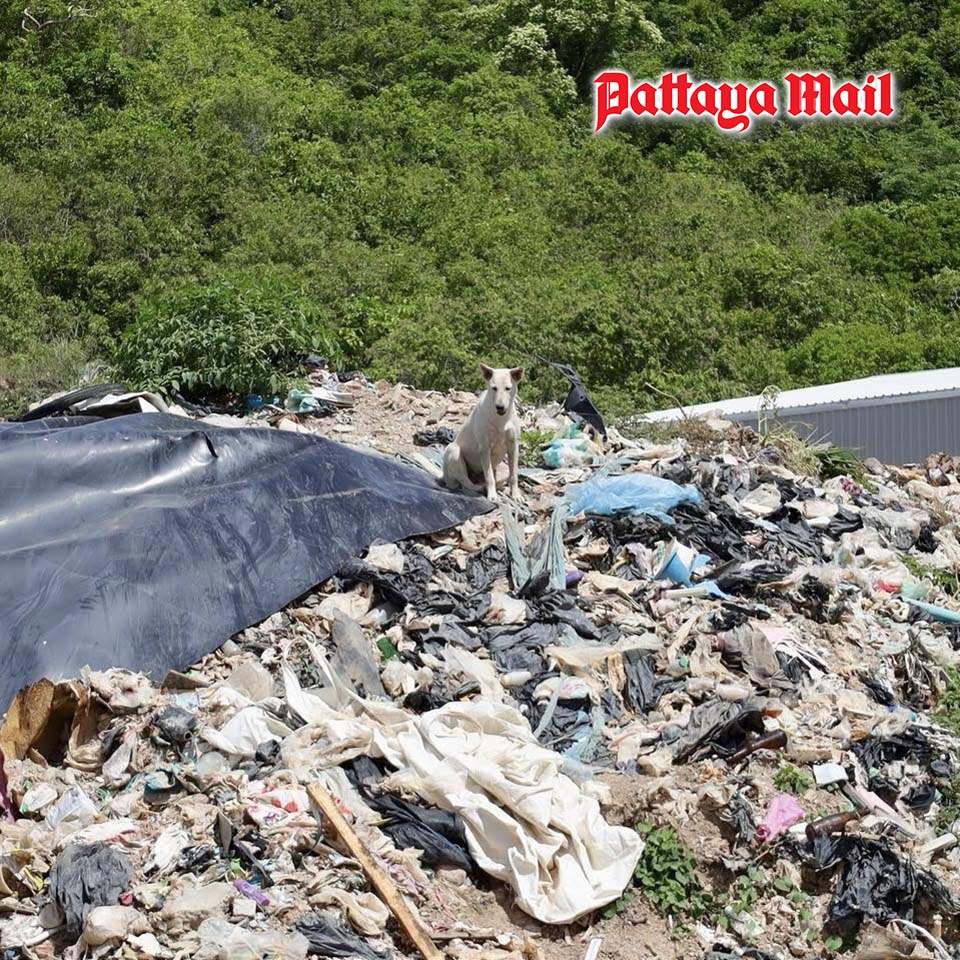
For years, Koh Larn has been known for its clear waters, white sandy beaches, and vibrant tourism. But beneath that image lies a growing environmental challenge: more than 150,000 tons of accumulated waste, with at least 25 tons added daily.
Officials say the scale of the problem has reached a point where long-term solutions are no longer optional.
This week marked a significant step forward with the official launch of a new integrated waste management center on the island—designed specifically to address Koh Larn’s unique environmental constraints.
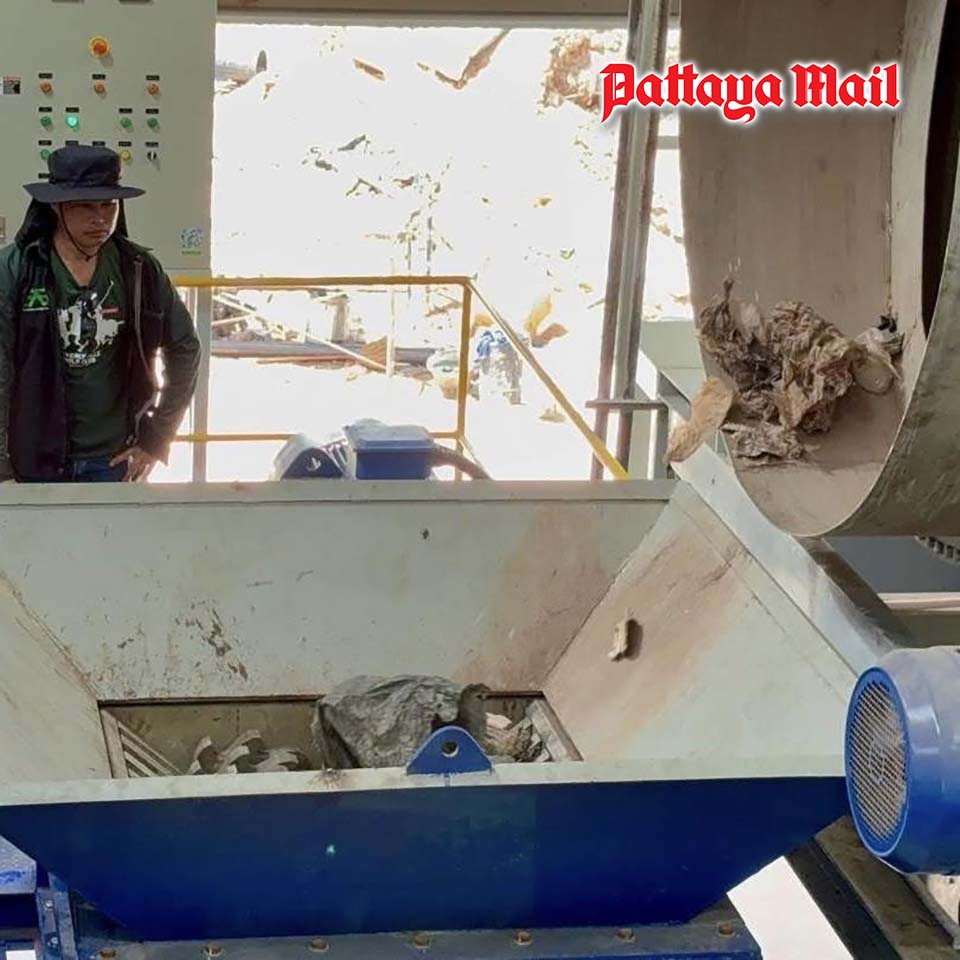
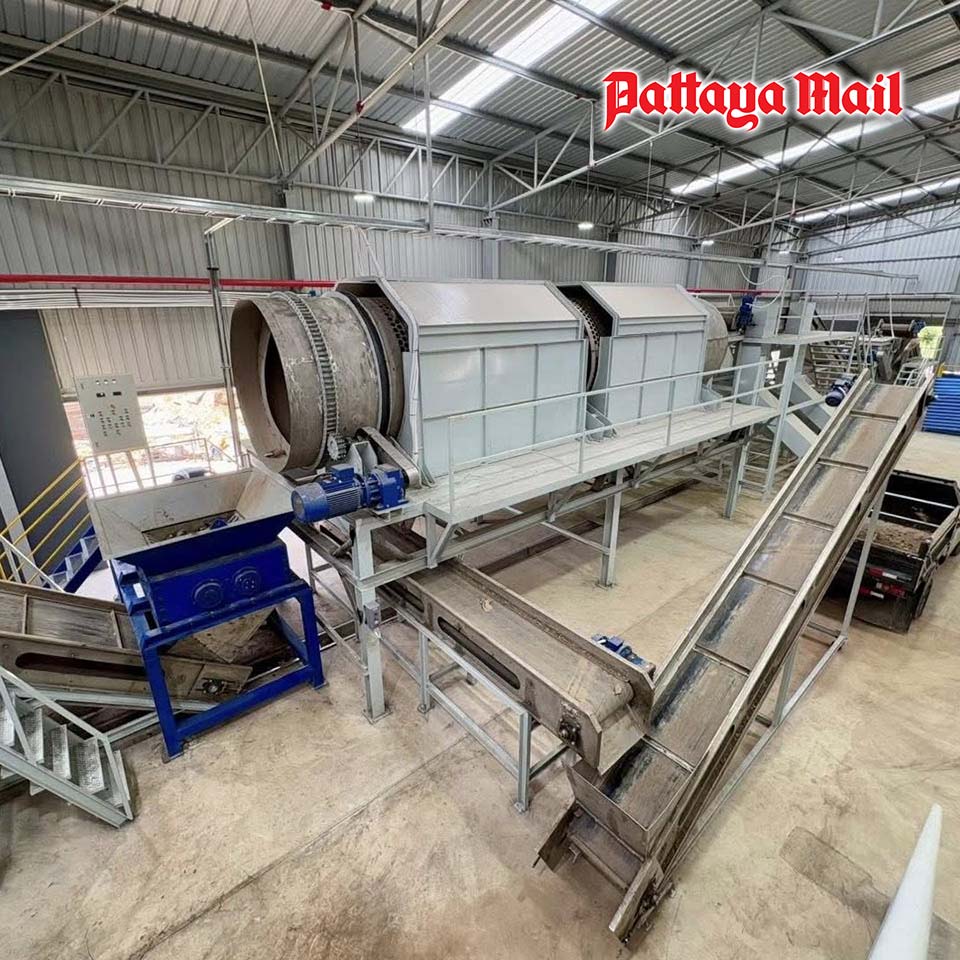
The facility is equipped with modern incineration technology capable of handling up to 50 tons of waste per day, supported by environmental control systems that meet regulatory standards. Authorities emphasize that the project follows strict technical, legal, and environmental guidelines.
But beyond infrastructure, the initiative signals a broader shift in approach.
Rather than allowing nature to absorb the consequences of human activity, the project reflects a commitment to shared responsibility—bringing together public and private sectors under a build-operate-transfer (BOT) model to tackle one of the island’s most pressing issues.
City leaders say the goal is not just waste disposal, but environmental restoration—ensuring that Koh Larn remains both a livable community and a sustainable tourism destination.
The project is part of a wider vision to transform Pattaya into a more sustainable urban model, often referred to as “Better Pattaya” or “Neo Pattaya,” where development goes hand in hand with environmental protection.
For residents, it represents hope for improved quality of life. For visitors, it helps preserve the natural beauty that draws millions each year.
Because in the end, sustainable tourism is not just about attracting people—it’s about ensuring the destination remains worth visiting for generations to come.