PATTAYA, Thailand – As Thailand moves to adjust fuel policies and households continue to feel cost-of-living pressures, discussions in Pattaya Mail online forums have once again highlighted a broader issue: how inflation and inconsistent pricing are impacting both locals and foreign tourists.
For visitors arriving in Thailand, the effect of rising costs is increasingly visible across multiple parts of the travel experience.
In the hotel sector, room rates in major destinations such as Pattaya, Bangkok, Phuket, and Chiang Mai have generally increased compared to previous years, particularly during high season and major holidays like Songkran. Budget accommodation remains available, but mid-range and beachfront properties are seeing stronger pricing driven by demand and higher operating costs.

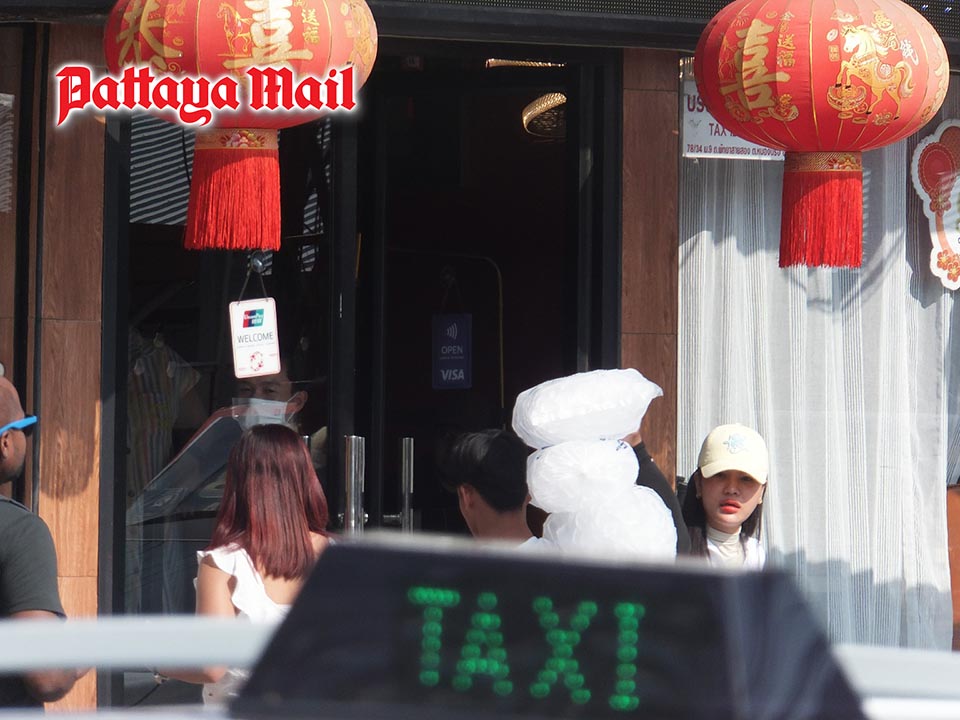
Transport is another area where tourists feel the difference. Taxi fares, ride-hailing services, and airport transfers have all gradually adjusted upward, influenced by fuel prices and congestion-related costs. In tourist-heavy areas, fixed-rate trips are also more commonly negotiated at higher levels during peak periods.
Food and beverages show a mixed picture. Local street food remains relatively affordable, but restaurant pricing—especially in tourist zones—has widened in range. Basic bottled water, convenience store goods, and imported items have also seen incremental increases over time.
In nightlife areas, bar prices, drinks, and so-called “bar fines” vary widely depending on location and establishment type, but overall costs in popular tourist districts have trended higher. Visitors often report noticeable differences even between nearby venues, reflecting inconsistent pricing models and localized demand.
Entry fees to attractions, national parks, and curated experiences have also increased in recent years, particularly for foreign visitors, adding to overall travel budgets for those planning sightseeing-heavy itineraries.
Airfares remain one of the most volatile components, influenced by global fuel prices, seasonal demand, and post-pandemic travel recovery patterns. While promotional fares still exist, average ticket prices to Thailand have been less stable than in previous years.
Overall, while Thailand continues to offer a wide spectrum of price points—from budget backpacking to luxury travel—the general trend points to rising and more uneven costs. For foreign tourists, the experience increasingly depends on travel style, location, and timing, with the gap between “cheap Thailand” and “tourist-priced Thailand” becoming more pronounced.