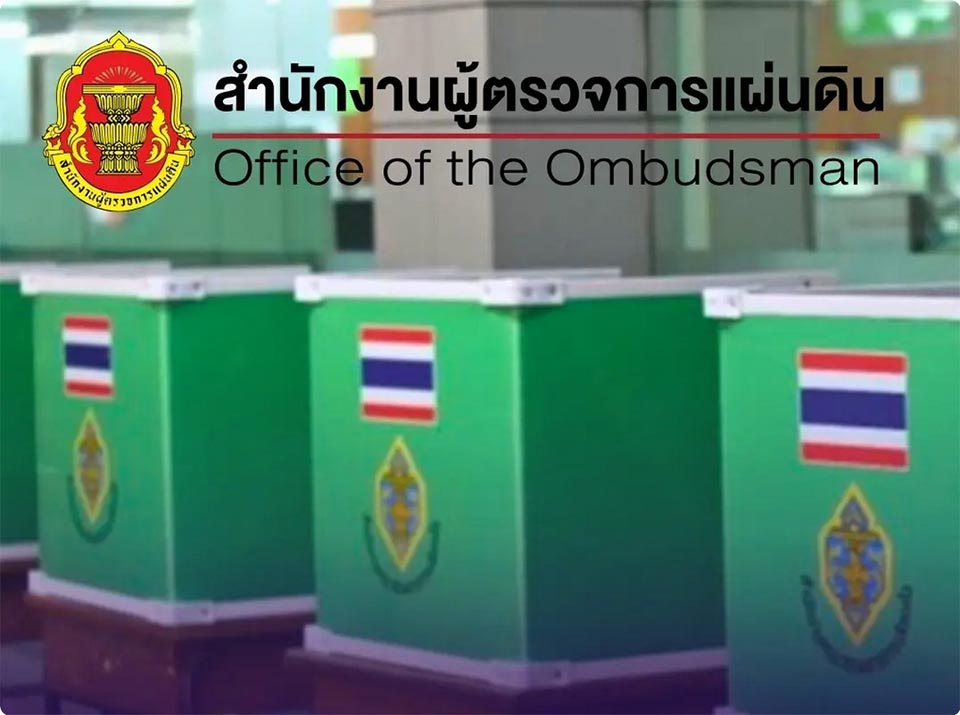
BANGKOK, Thailand – The Office of the Ombudsman will petition the Constitutional Court about the use of barcodes and QR codes on ballots during the general election held on February 8, 2026. This decision follows 21 complaints filed by citizens alleging that these identifiers enable tracking and verification of individual voters and their choices.

At a consultative meeting on March 10, 2026, the Ombudsmen reviewed evidence and legal frameworks. The Office found sufficient grounds to suggest that the Election Commission (EC), the EC Secretary-General, and the Office of the EC may have compromised voter secrecy. The use of barcodes and QR codes on ballots reportedly allows votes to be traced to individuals, which contradicts the constitutional intent of Sections 83 and 85 to protect secret balloting and individual rights.
On March 13, 2026, the Office of the Ombudsman approved the submission of the petition and legal opinion to the Constitutional Court. This action is taken under Section 213 of the Constitution of the Kingdom of Thailand B.E. 2560 (2017), which empowers the Ombudsman to protect the rights and liberties of the people.
The Office is also reviewing additional complaints from the February 8 election. These include concerns about EC Regulation B.E. 2566, Clause 129, which allows special codes or marks on ballots, and possible discrepancies between the number of constituency and party-list ballots. The Office is also investigating whether these identifiers violate the Personal Data Protection Act B.E. 2562. These matters are still under official review. (NNT)