BANGKOK, Thailand – The Ministry of Interior, led by Minister Anutin Charnvirakul, has directed provincial authorities and the Department of Disaster Prevention and Mitigation (DDPM) to intensify efforts to combat PM2.5 air pollution. Regions with high pollution levels, including northern, northeastern, and central Thailand, as well as Bangkok, have been instructed to take immediate action to protect public health. Key measures include controlling agricultural burning, promptly stopping open burning, and enhancing monitoring through local leaders and enforcement agencies.
Public health agencies have been tasked with providing protective services, such as distributing masks, setting up clean-air zones, and operating pollution clinics. Awareness campaigns target vulnerable groups, including the elderly, children, and those with respiratory conditions, offering guidance on how to reduce exposure to pollution. The government has also promoted safer practices during Lunar New Year celebrations, such as using smokeless incense and online offerings to curb pollution and prevent fire hazards.
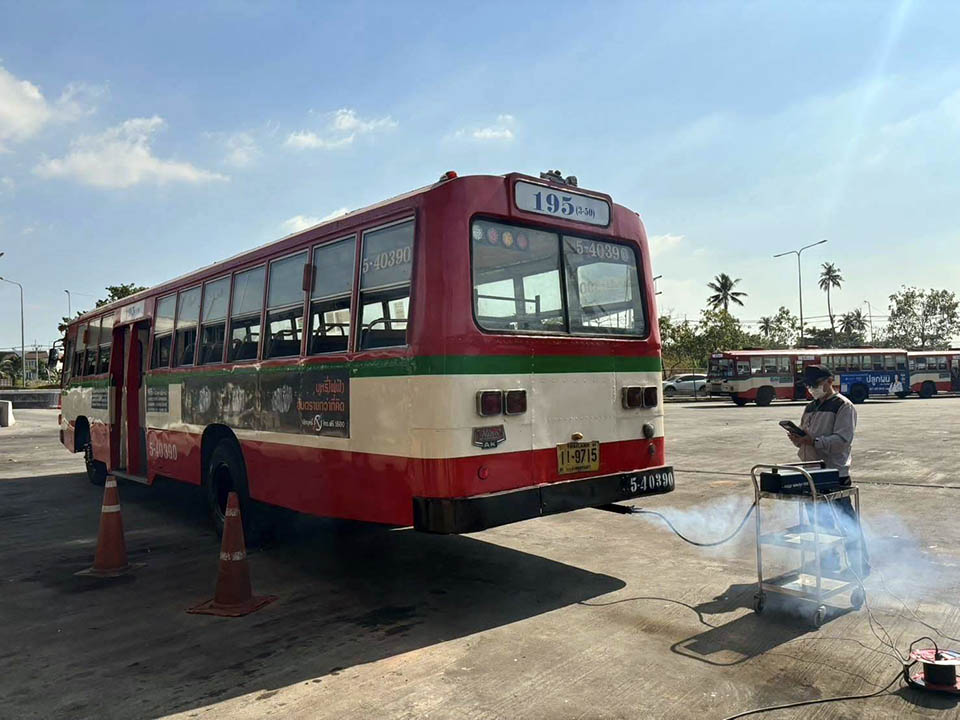
In Bangkok, the Metropolitan Administration (BMA) has declared nuisance-control zones for areas experiencing pollution levels above 75 micrograms per cubic meter for three consecutive days. Measures include banning high-emission diesel vehicles, prohibiting open burning, and enforcing dust-control regulations at construction sites. Violators face penalties of up to three months in prison, fines of up to 25,000 baht, or both.
The government’s temporary waiver of public transportation fares has already boosted usage. On January 25, the first day of free travel, urban rail services recorded 1.63 million trips, a 45% increase from average weekend figures. The Gold, Yellow, and Pink Lines showed the highest growth, while intercity rail services also saw a significant rise in passenger numbers. The policy seeks to reduce private vehicle use and lower emissions during the pollution crisis. (NNT)