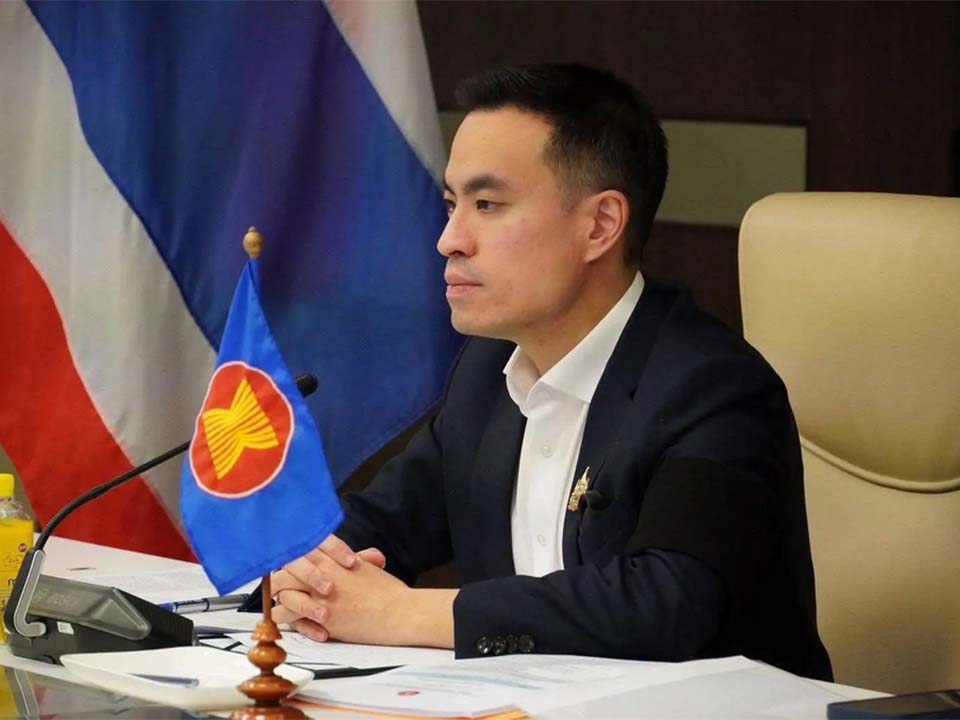
BANGKOK, Thailand – The Thai government has made clear its commitment to enhancing energy cooperation within ASEAN as the region responds to disruptions linked to unrest in the Middle East. Energy Minister Akanat Promphan recently joined a special ASEAN ministers’ meeting held by teleconference alongside senior officials to discuss the impact on regional energy supply and coordination.
ASEAN countries rely heavily on imports from the Middle East, with about 55 percent of crude oil and 17 percent of natural gas sourced from the region. Disruptions to transport routes, including the Strait of Hormuz, have affected supply chains, pricing, and access to fuel, raising concerns over economic stability.
Thai officials addressed the impact on the country, including volatility in oil prices, rising living costs, and risks to energy security. In response, measures include increased domestic gas production in the Gulf of Thailand, diversification of import sources, and price management through existing mechanisms to ease the burden on vulnerable groups. The government is also promoting renewable energy, such as solar power and biofuels, to support long-term sustainability.
Thailand also signaled readiness to work with ASEAN partners on regional energy systems, including cross-border electricity and gas networks and emergency response arrangements for fuel supply. Member states are now advancing agreements to enable cooperation during supply disruptions to build greater self-reliance across the region. (NNT)