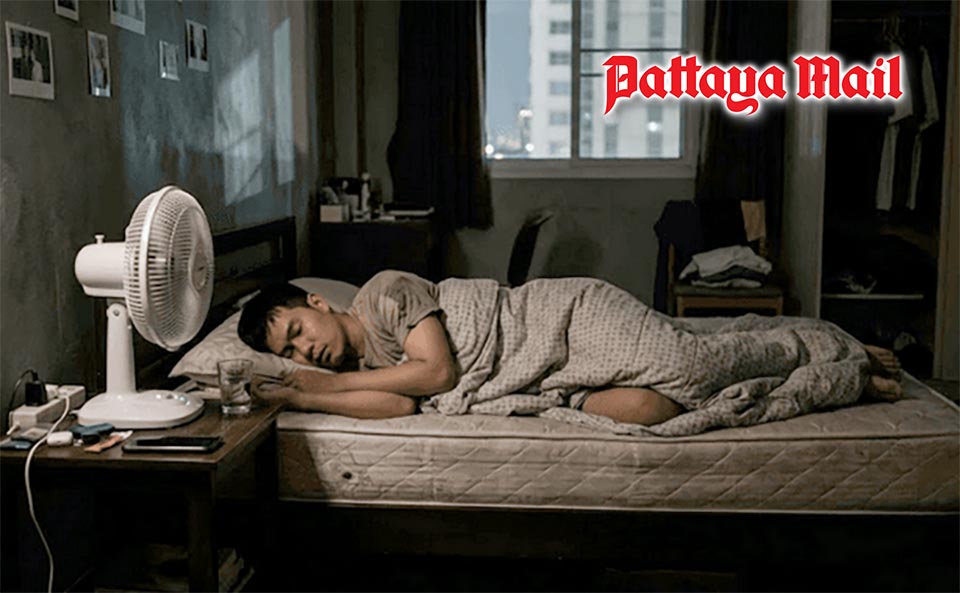
PATTAYA, Thailand – As temperatures continue to soar in many regions, countless people rely on electric fans throughout the night to stay cool and sleep comfortably. While keeping a fan running may seem like a harmless way to beat the heat, health experts say the habit can have unintended effects on some individuals, particularly those with allergies, asthma, or respiratory conditions.
The warning comes from Dr. Manan Shah, an ear, nose, and throat specialist and founder of Wyndly Health Services in the United States, who recently discussed the benefits and potential drawbacks of sleeping with a fan running overnight.
Fans Can Improve Sleep and Comfort
According to Dr. Shah, using a fan during sleep is generally safe for most people and offers several benefits, especially during hot weather. A fan can help lower the perceived temperature in a room, improve air circulation, and make it easier to fall asleep on warm nights. Many people also find the steady hum of a fan soothing, as it acts as a form of “white noise” that helps mask disruptive sounds such as traffic, conversations, or other environmental noise. For some sleepers, this background noise can contribute to deeper and more restful sleep.
Direct Airflow May Cause Congestion
Despite these benefits, experts caution against positioning a fan so that it blows directly onto the face throughout the night. Dr. Shah explains that continuous airflow directed at the nose and mouth can dry out the nasal passages and mucus membranes. In response, the body may produce additional mucus to compensate, potentially leaving some people waking up with nasal congestion, a blocked nose, or irritation. Sleep specialists also note that continuous noise exposure during sleep can affect sleep quality in sensitive individuals. Experts generally recommend keeping nighttime sound levels below 40 decibels to minimize disturbances.
Why Some People Feel Worse After Sleeping with a Fan
For certain individuals, prolonged exposure to moving air may contribute to symptoms such as dry eyes, dry skin, a sore throat, muscle stiffness, or nasal irritation. People who are particularly sensitive to cool air or direct drafts may be more likely to experience discomfort after sleeping with a fan running all night. Another concern involves indoor air quality. Fans can circulate dust, pollen, pet dander, and other airborne allergens around a room. For individuals with allergies or asthma, this may increase the likelihood of symptoms such as sneezing, coughing, itchy eyes, runny noses, or nighttime congestion. The Sleep Foundation notes that airborne allergens can also worsen snoring and may contribute to more severe symptoms in people who already suffer from sleep-disordered breathing.
How to Use a Fan More Safely at Night
Experts say there is no need to stop using a fan altogether, but a few simple precautions can help reduce potential health risks.
- Avoid directing the airflow straight at your face.
- Use the oscillation setting so air circulates around the room rather than continuously striking one area.
- Clean fan blades and grills regularly to reduce dust buildup.
- If using an air-filtering fan, replace filters according to manufacturer recommendations.
- Consider maintaining moderate room humidity if dry air becomes a problem.
These measures can be particularly important in households with young children, older adults, or individuals with allergies and asthma.
Sleeping with a fan on throughout the night is not inherently dangerous and remains a practical way to stay comfortable during hot weather. However, improper use may contribute to nasal congestion, dry airways, allergy symptoms, and disrupted sleep in some people. Health experts recommend positioning fans carefully, keeping them clean, and paying attention to any symptoms that appear after sleeping. For most people, a fan can remain a safe and effective tool for staying cool—as long as it is used wisely.
Headline Alternatives:
Is It Safe to Sleep with a Fan On All Night? Doctors Warn of Hidden Health Risks
Sleeping with a Fan On? Experts Say It May Affect More Than Your Comfort
Doctors Warn That Sleeping with a Fan All Night Could Trigger Allergies and Congestion
Fan On All Night? The Surprising Health Effects You Should Know About