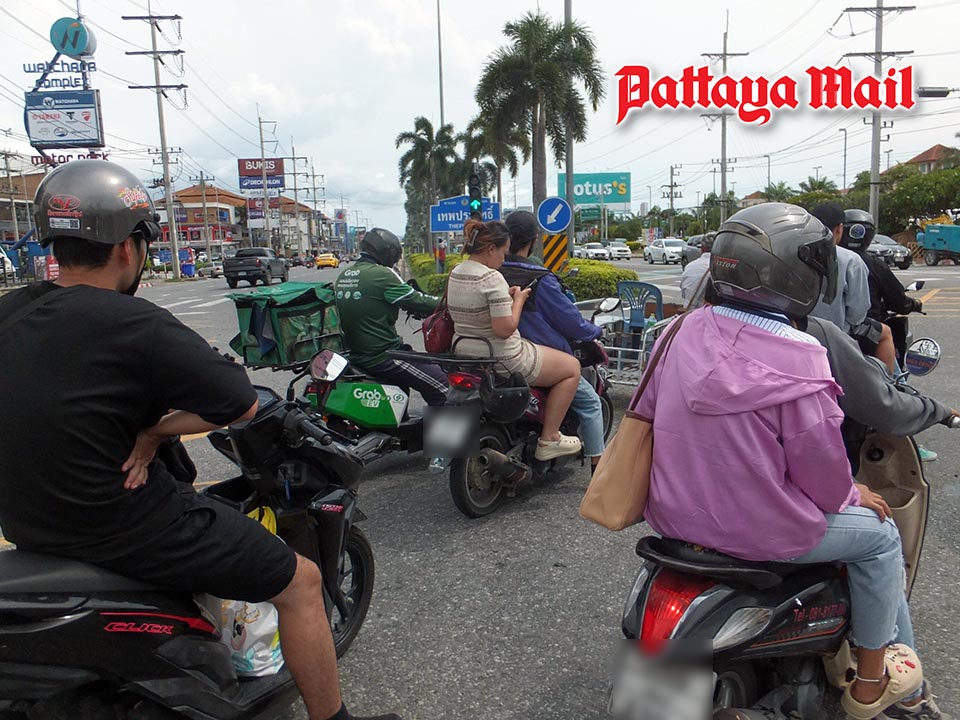
PATTAYA, Thailand – For many foreigners arriving in Pattaya for the first time, one of the biggest culture shocks is not the nightlife, the beaches, or the tropical weather. It is the roads. Visitors from Europe, Australia, North America, and other countries often come from places where traffic rules are heavily enforced, road etiquette is relatively predictable, and sounding the horn is generally reserved for emergencies. In Pattaya, however, they quickly discover a different reality. Many long-term foreign residents say they initially found the local driving environment chaotic. Motorcycles pull into traffic without looking, vehicles continue through changing traffic lights, and drivers often create their own interpretation of road rules. The constant use of horns can be confusing to newcomers, particularly those who come from countries where a horn blast is often viewed as an aggressive gesture.
Yet after spending months or years in Pattaya, many foreigners admit something surprising: they begin adapting to local driving behavior themselves. The foreign motorcyclist who once complained about reckless riding may eventually be seen filtering through traffic, making last-second lane changes, or glancing at a mobile phone while waiting at an intersection. The foreign driver who was initially shocked by Thai road habits sometimes starts adopting them. One issue increasingly mentioned by both Thais and foreigners is smartphone use behind the wheel. Delivery riders, private motorists, ride-hailing drivers, and tourists alike are frequently seen checking phones while moving through traffic. What was once considered unacceptable in many Western countries has become normalized among some road users in Pattaya. Ride-hailing services have added another layer of concern. Complaints about drivers making sudden U-turns, driving against traffic, stopping unpredictably, or using sidewalks and shoulders as unofficial lanes are common topics on local social media.
Many residents argue that the core problem is not nationality but enforcement. Whether the offender is Thai or foreign, the perception among many road users is that traffic laws are applied inconsistently. Limited manpower, heavy workloads, and the sheer volume of vehicles on Pattaya’s roads make comprehensive enforcement difficult. As a result, some drivers and riders appear to believe there are few consequences for risky behavior. This creates an unusual situation where foreigners arriving with one set of road expectations must adjust to a completely different environment. Some remain cautious and defensive drivers. Others gradually blend into local traffic culture, adopting practices they might never consider in their home countries. The debate over Pattaya’s horn culture highlights a broader issue. What may seem rude or aggressive to one driver is often viewed by another simply as a warning signal. Cultural differences influence how road behavior is interpreted.
But regardless of whether the driver is Thai or foreign, most residents agree on a few common concerns: excessive speed, distracted driving, mobile phone use, alcohol-related incidents, and dangerous overtaking continue to pose risks for everyone on the road. For many foreigners, the lesson is clear. Understanding local driving habits is necessary for survival, but copying the worst aspects of them is not. As Pattaya continues to attract tourists, retirees, digital nomads, and long-term visitors from around the world, the city’s roads remain one of the places where different cultures meet most directly—and sometimes most dangerously.