BANGKOK, Thailand – More than a decade after China launched its ambitious Belt and Road Initiative (BRI), governments around the world continue to debate whether the program represents a historic opportunity for economic development or a source of long-term financial and strategic vulnerability.
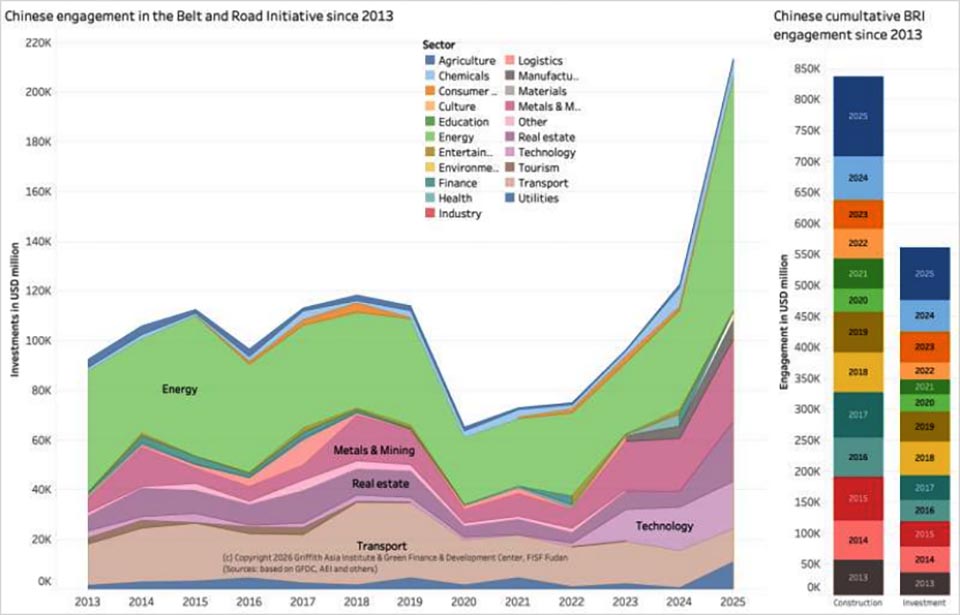
Introduced in 2013 by Chinese President Xi Jinping, the BRI seeks to expand trade and connectivity through investments in roads, railways, ports, industrial zones, energy projects, and digital infrastructure spanning Asia, Africa, Europe, and Latin America. According to recent estimates, Chinese lending and investment linked to the initiative have exceeded $1 trillion, making it one of the largest international development programs in modern history.
Thailand has emerged as a significant recipient of Chinese investment under the broader BRI framework. Reports indicate that Chinese-backed projects in Thailand attracted billions of dollars in investment during 2025 alone, particularly in sectors such as electric vehicles, batteries, electronics manufacturing, logistics, and transportation infrastructure. Supporters argue that Chinese investment provides much-needed capital, creates jobs, improves infrastructure, and strengthens regional trade links. They point to major projects across Asia and Africa that have expanded transportation networks, improved energy access, and accelerated industrial development.
However, concerns surrounding the initiative have also grown. Critics question whether some countries have taken on excessive debt to finance large-scale projects and warn that dependence on Chinese financing may increase economic and political vulnerabilities. The debate intensified following high-profile cases such as Sri Lanka’s Hambantota Port, which became a symbol of concerns over debt sustainability, although economists continue to disagree on the extent to which Chinese lending alone caused the country’s financial crisis.
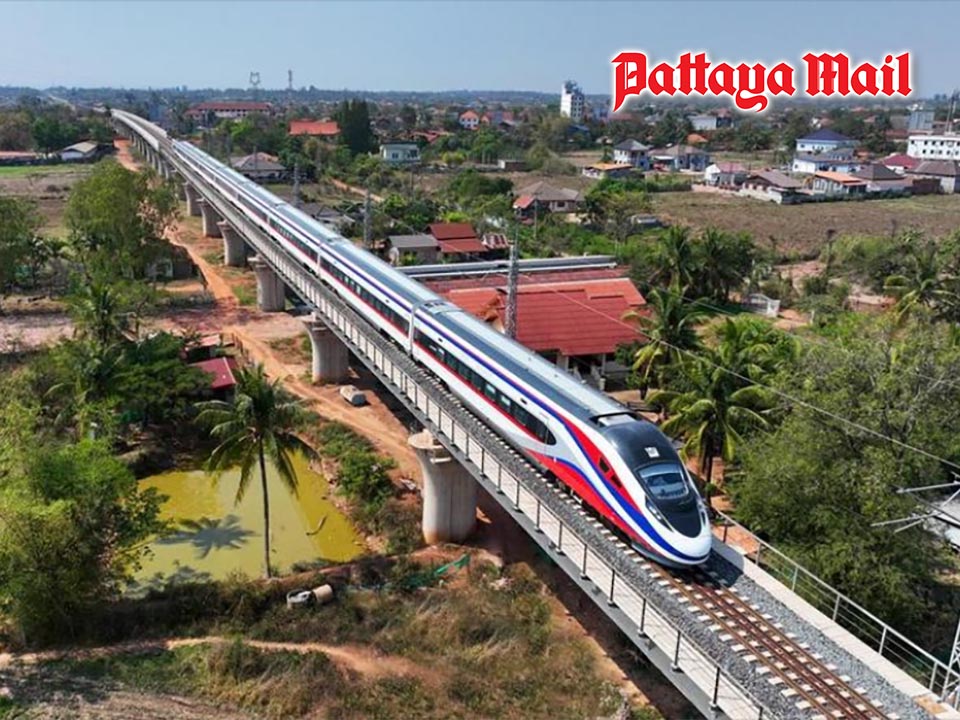
Similar concerns have been raised regarding Laos, where large infrastructure investments have increased Chinese economic influence. Analysts say the key issue is not simply debt levels, but whether governments maintain sufficient oversight, transparency, and bargaining power when negotiating major projects.
For Thailand, the challenge may be less about debt and more about economic dependence. Chinese investment has played a major role in the rapid growth of Thailand’s EV industry, but economists warn that the country must ensure greater local participation, technology transfer, and supply-chain development to maximize long-term benefits.
Another concern is China’s industrial overcapacity in sectors such as steel, manufacturing, and electric vehicles. As Chinese companies expand overseas, local industries in host countries may face increasing competitive pressure. Some analysts believe Thailand must carefully balance attracting foreign investment with protecting domestic competitiveness.
At the same time, Thailand’s strategic position in Southeast Asia gives it significant leverage. Unlike some countries that rely heavily on a single foreign partner, Thailand maintains economic and diplomatic relationships with multiple global powers, allowing it greater flexibility in managing international partnerships. Experts generally agree that the success or failure of BRI-related projects depends less on the initiative itself and more on the ability of participating countries to negotiate favorable terms, enforce transparency, protect national interests, and ensure investments deliver long-term benefits to local economies. As geopolitical competition intensifies and global supply chains continue to shift, Thailand faces a critical challenge: how to capitalize on Chinese investment and technology while preserving economic resilience, policy independence, and strategic balance in an increasingly divided world.