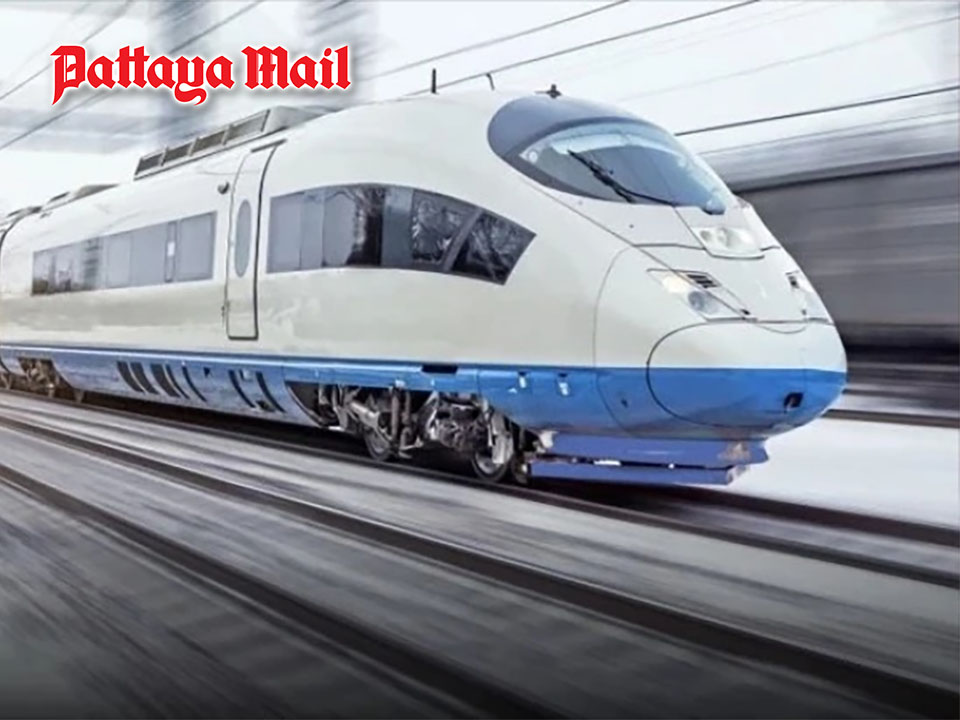
PATTAYA, Thailand – Thailand’s government has rejected a proposed change to the contract for the long-delayed high-speed rail project linking Don Mueang, Suvarnabhumi, and U-Tapao airports, increasing pressure on the CP-led consortium to present an alternative plan if it wishes to continue with the project. The 224.5-billion-baht rail project, one of the flagship infrastructure developments of the Eastern Economic Corridor (EEC), has faced years of delays amid disputes over financing arrangements and contract amendments. According to Anan Phonimdaeng, acting governor of the State Railway of Thailand (SRT), the government’s current position is clear: it does not support revising the contract to allow a “build now, pay later” payment structure that would alter previously agreed financial terms.
The SRT recently received approval from Thailand’s Office of the Attorney General for the draft amended contract after addressing nearly all of the agency’s earlier concerns. Of the 18 observations originally raised by legal reviewers, only procedural issues relating to Cabinet approval remained to be clarified before the Attorney General ultimately endorsed the revised draft.
However, despite the legal clearance, the government has since shifted its policy position and no longer supports the proposed contract amendment.
“The current policy does not agree with amending the contract for the three-airport rail project,” Anan said. “We have informed the private partner and are waiting for it to review the matter and propose an alternative approach that would allow the project to move forward.”
The SRT, the Eastern Economic Corridor Office (EECO), and project developer Asia Era One Co., Ltd., the consortium led by CP Group, met on May 8 to discuss the government’s position. Officials are now awaiting a formal response from the consortium.
The government’s tougher stance follows comments by Deputy Prime Minister and Transport Minister Phiphat Ratchakitprakarn, who recently suggested that if the private sector believed the project was no longer financially viable, it could formally seek to terminate the contract.
Sources familiar with the discussions said authorities have also explored contingency plans should further delays continue. Under one option, the SRT would proceed independently with portions of the infrastructure that overlap with other rail projects, including sections linked to the Thai–Chinese high-speed railway and Bangkok’s Red Line extension. Officials are also considering design changes beneath U-Tapao Airport’s runway that could reduce the rail project’s investment cost by nearly 50 billion baht.
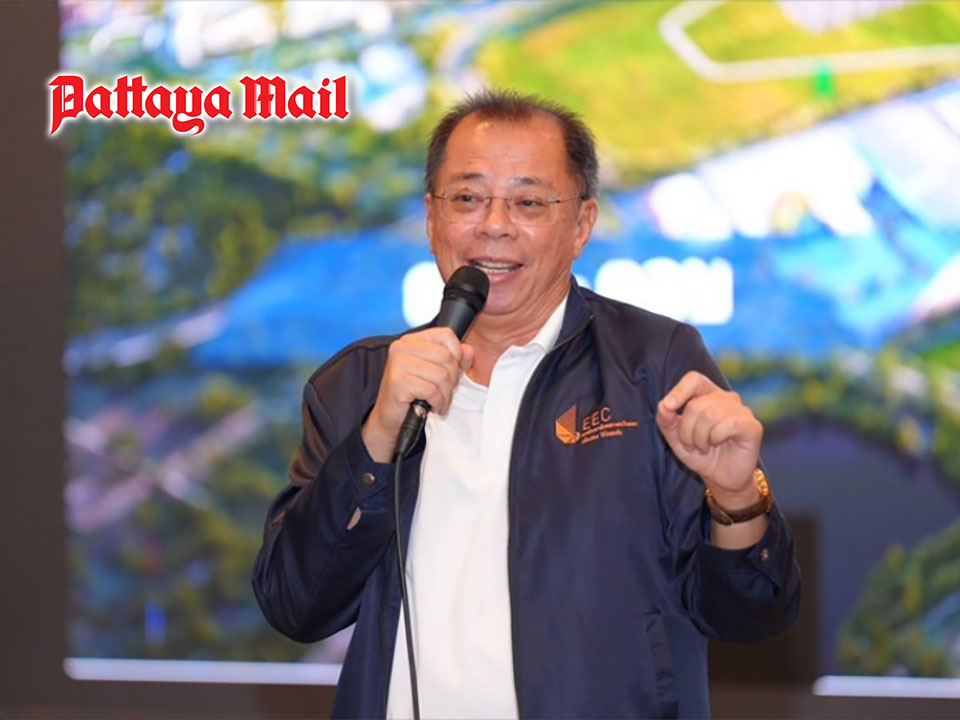
Meanwhile, EEC Secretary-General Chula Sukmanop confirmed that the EEC Policy Committee will meet on June 5 but that the high-speed rail project is not on the agenda. Instead, the board is expected to focus on incentives and investment conditions for the 290-billion-baht U-Tapao Airport and Eastern Aviation City project being developed by U-Tapao International Aviation Company (UTA), whose shareholders include Bangkok Airways, BTS Group Holdings, and Stecon Group.
Chula noted that UTA has already waived conditions linking its airport development obligations to the progress of the high-speed rail project. As a result, airport development can continue even if the rail project remains stalled. “Without the high-speed rail, the airport project can still move forward,” he said. “At the same time, once U-Tapao Airport development gains momentum, it may help create conditions that support the eventual advancement of the high-speed rail project as well.”
The future of Thailand’s three-airport rail link now largely depends on whether the CP-led consortium can present a new proposal acceptable to the government. With Bangkok refusing further financial concessions, the project appears to have reached a critical turning point after years of delays and renegotiations.