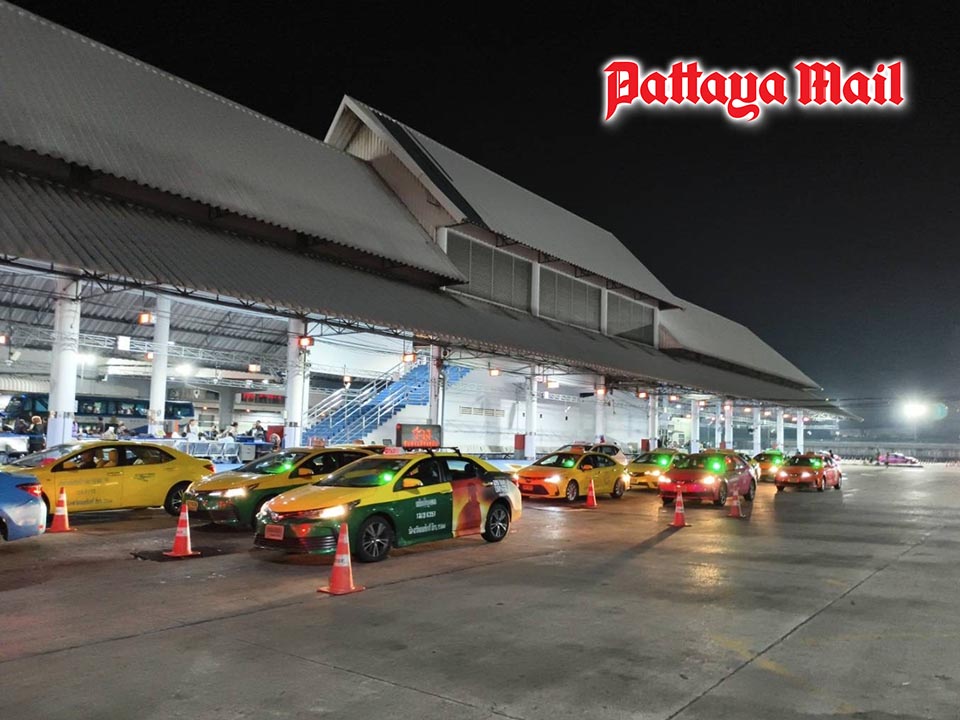
PATTAYA, Thailand – As Thailand rounds up another New Year period, authorities are quick to tout enhanced patrols and checkpoints to curb drunk driving — a welcome and necessary measure that can save lives. Yet while safety enforcement grabs headlines, a persistent and equally corrosive problem in Thailand’s taxi industry continues largely unaddressed: rampant fare cheating, double pricing for foreigners, and a culture of poor service that erodes confidence in one of the country’s most visible transport sectors.
There’s no argument that drunk driving is dangerous — and the stepped-up checks over New Year’s Eve and holidays show that police and traffic authorities can act decisively when public safety is at stake. But the effectiveness of this enforcement rings hollow for both residents and visitors when it coexists with an industry where opportunistic behavior goes unpunished.
Ride into any major hub — Bangkok’s airports, Pattaya’s Walking Street, Bangkok’s Khao San Road — and you’ll hear the same complaints from tourists and locals alike. Taxis turning down meters. Drivers demanding flat rates that are multiples above the meter for the same route. Foreign visitors being quoted one price and charged another. Short trips that cost more than long ones, with no logic except profit maximization. These practices aren’t occasional glitches — they’re systemic, and they undermine both the safety narrative and Thailand’s tourism brand.
Consider the everyday experience: a foreign visitor lands after a long flight, tired and unfamiliar with local routes. A taxi driver refuses the meter and demands a high flat rate. If they agree, they pay through the nose; if they refuse, they risk long waits or being ignored. This is not a series of isolated incidents — it’s a pattern widely reported on travel forums, social media, and now in conversations among long-term foreign residents. It’s the “double pricing” that makes even the most basic trip feel like a negotiation rather than a service.
What’s more, while drunk‐driving checkpoints may deter dangerous behavior on the roads, there’s little evidence that taxi operators themselves are being held to accountability standards for cheating or overcharging. Police can pull over drunk drivers, but who polices the taxi drivers who exploit vulnerable passengers? Why does enforcement focus on individual safety regulations while turning a blind eye to deceptive commerce that damages trust?
The problem extends beyond airports and major tourist corridors into everyday life. Locals, too, complain about drivers who idle meters at red lights, take longer routes for higher fares, or simply refuse short trips. Meanwhile, ride-hail platforms have grown in popularity precisely because they offer transparent pricing and traceability — features sorely lacking in the traditional taxi ecosystem.
And like many regulatory blind spots in Thailand, the result is a mix of short-term fixes and long-term frustration. Drunk driving enforcement sends an important message about safety, but failing to address pervasive cheating sends an equally loud message: some forms of consumer exploitation are tolerated as long as they don’t involve physical harm.
If Thailand hopes to elevate its tourism and urban mobility standards, authorities must broaden their vision. Regulation shouldn’t be selective. Combating drunk driving is critical — but so is ensuring fair pricing, transparent meter usage, and real consequences for drivers who cheat passengers. Without this dual approach, the Thai taxi industry will continue to be a source of resentment rather than goodwill, and the convenience of hailing a cab will remain overshadowed by the anxiety of either being overcharged or having to fight for a fair fare.