PATTAYA, Thailand – The Thai baht is holding firm this week in the 31.80–32.80 per U.S. dollar range, a number that pleases market analysts but leaves Pattaya’s tourism industry in a sour mood. While economists debate Fed policy, fund flows, and inflation data, the reality on the ground is far simpler: every tick stronger makes life harder for those who depend on foreign wallets.
Pattaya was once Asia’s budget-friendly playground. Europeans on long winter stays, Asian weekenders, and backpackers could stretch their money further here than in most neighboring countries. But when the baht rises, Thailand’s affordability edge evaporates. Vietnam, Cambodia, and even the Philippines suddenly look like better value.
The effects ripple everywhere. Hotels see shorter bookings. Restaurants notice smaller checks. Convenience store operators complain of thin margins. Even songthaew drivers and bar staff feel it in fewer rides taken and smaller tips left. “It’s not the women or their smiles anymore — it’s the exchange rate that decides whether I stay or go,” a longtime visitor admitted.
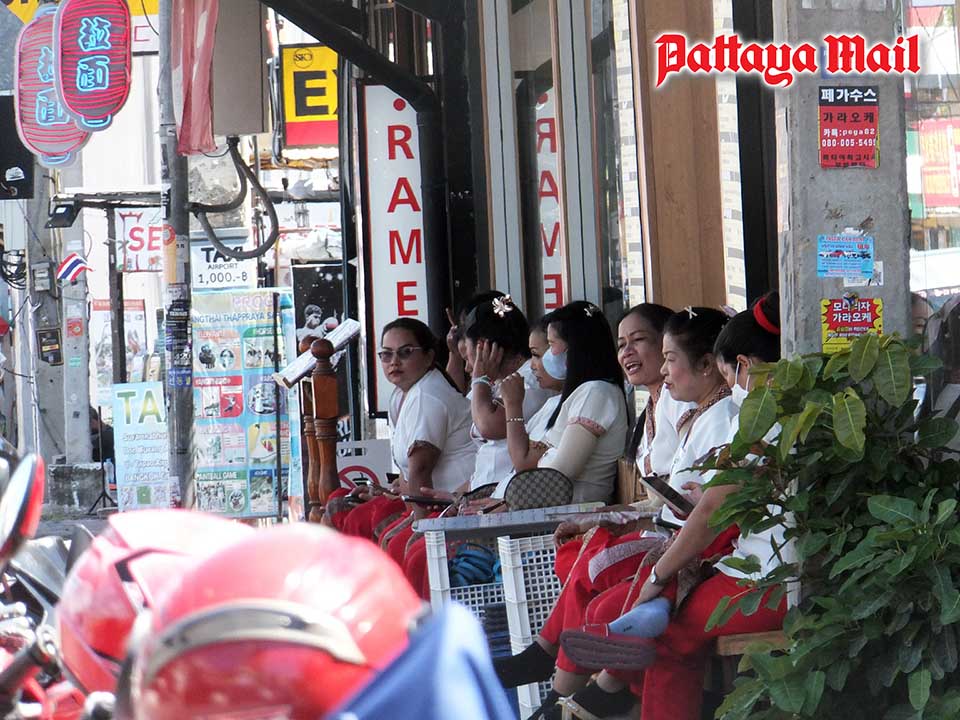
On the streets, the picture is even starker. Outside massage parlors, women sit in clusters on plastic chairs, waiting for a tour bus that may or may not arrive. In low season, many can spend entire afternoons hoping for just one walk-in customer.
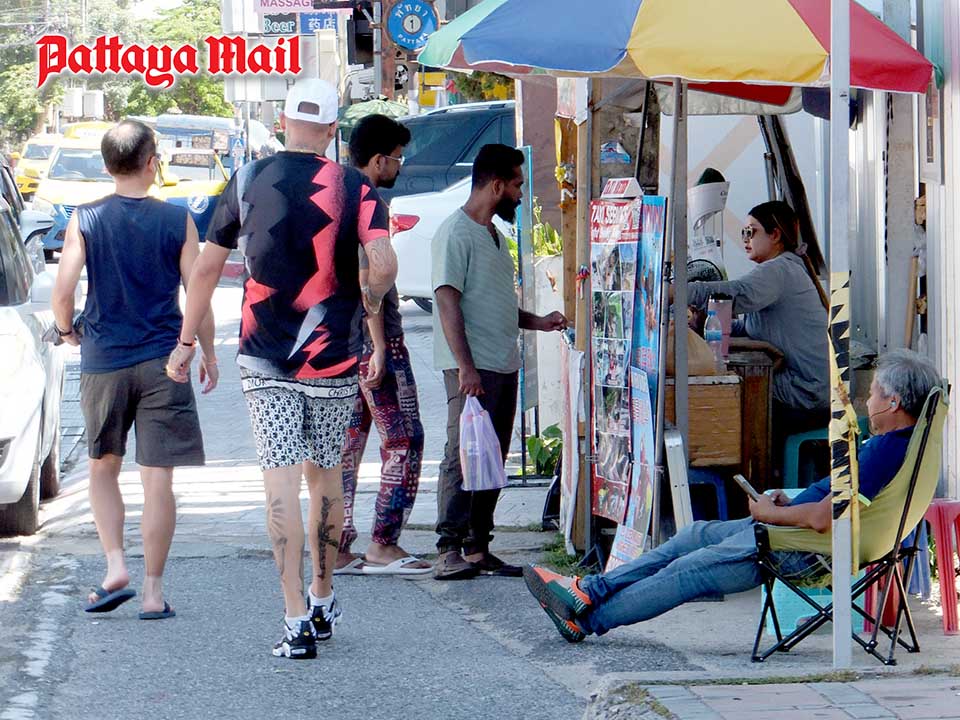
The city’s reliance on group tourism compounds the squeeze. With European arrivals in decline and Russian numbers stagnating, Pattaya has turned heavily to Indian group tours to keep occupancy up. But group tours operate on tight budgets, leaving little spending for smaller businesses. Independent travelers, once the city’s lifeblood, are the very ones most deterred by a strong baht.
Meanwhile, businesses wrestle with selective law enforcement, rising operating costs, and political uncertainty. The baht’s strength reflects international markets, but its consequences are felt most by those watching customers pass them by.
If the currency keeps firming, Thailand’s brand as a “value-for-money” destination risks slipping further away. For Pattaya — a city built on accessibility and affordability — the mood is unmistakable: another low season of waiting, hoping, and surviving.