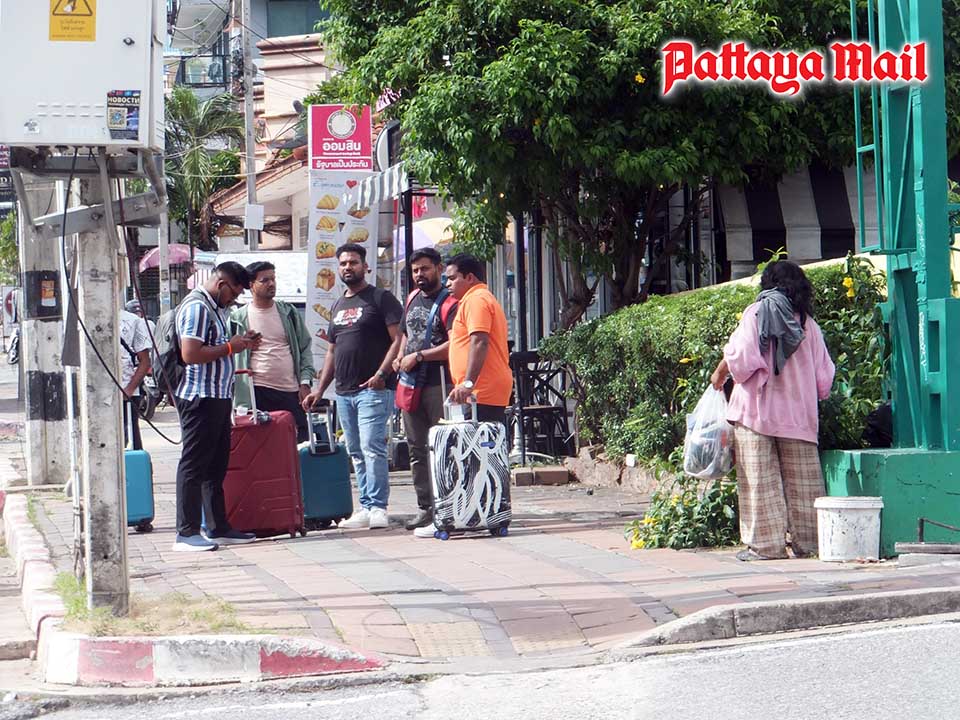
PATTAYA, Thailand — As Pattaya grapples with a sluggish low season, the city’s hopes now hinge on a rising tide of visitors from India—though not without stirring tension and debate.
Indian Arrivals Surge—but Can They Rescue Low Season?
Mid-year figures show a striking 13.8% leap in Indian tourists to Thailand—1.18 million arrivals, with expectations to reach 2.4–2.5 million by year-end. In Pattaya, Indian arrivals are daily features, narrowing historical gaps with Chinese tourists—50,571 versus 62,569 in a recent week.
Numerically, India is becoming a cornerstone of tourism, especially during periods when Western visitors lag. Jet-ski rentals, nightlife, and group packages are gaining traction, keeping venues afloat when Euro-American footfall wanes.
But Critics Say Numbers Aren’t Enough
“Where’s the holiday rush?” grumbles one longtime expat, echoing growing skepticism: volume alone can’t save the city when spending levels differ. Many feel Indian visitors, while plentiful, don’t pump as much cash into the economy as Western tourists used to.
On social media, frustrations simmer. Complaints range from crowded queues to public behavior. One visitor lamented having to “step way back to get in line at 7-Eleven”. Another mocked claims of a “holiday rush,” calling them a “joke of the year.” The reality? A tourism lifeline that’s keeping the lights on—but not necessarily helping everyone feel comfortable.
Low Season Still Haunts Streets—Even with Indian Help
Despite this Indian surge, Pattaya’s early August still feels quiet. Quiet enough for “beach-goers to enjoy a peaceful escape,” but too quiet to buoy struggling businesses. Bar girls, vendors, and beach operators still feel the pinch, navigating a tough economic environment despite steady arrivals.
The Verdict? Numbers Matter—but They’re Not the Whole Story
Indian tourists are undeniably essential during this off-peak stretch—a volume-based bridge for Pattaya’s economy. Their free-spending habits in water sports, nightlife, and family recreation are making a difference.
But the criticism underscores that sheer numbers don’t automatically translate into broad economic or cultural benefit. Local businesses still crave high-spending Western visitors and smoother integration. Until then, Pattaya remains in limbo—revived yet not revitalized.