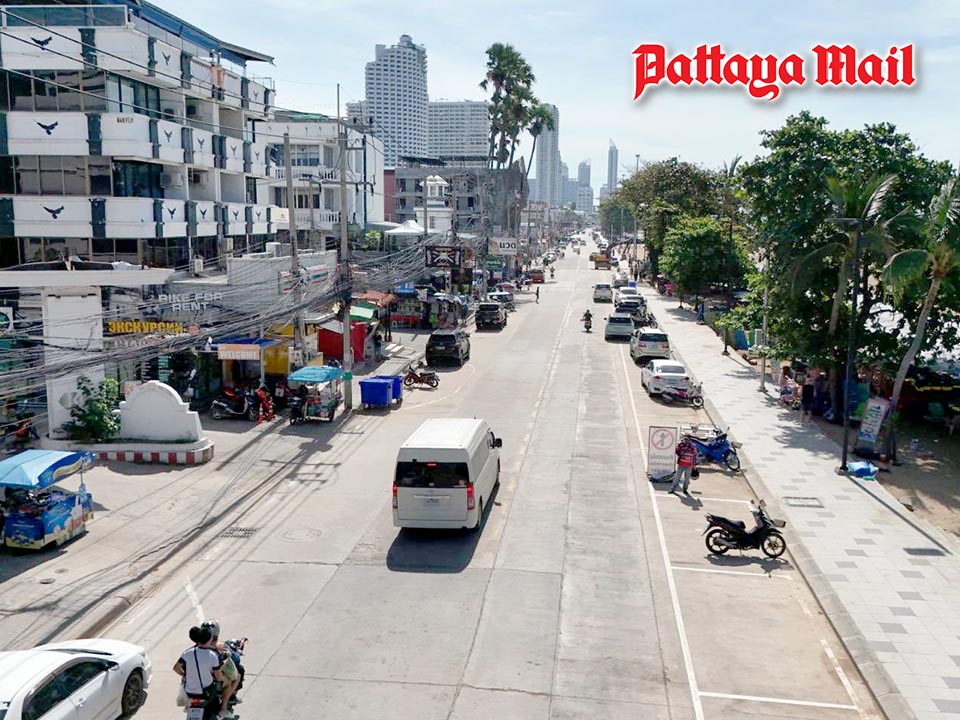
PATTAYA, Thailand – Jomtien Beach Road was supposed to become safer and more orderly when it permanently switched to a one-way system. Instead, many locals say nothing has changed — except that the problems now feel more predictable and more frustrating.
Despite clear signage, painted arrows, and regular reminders from officials, riders of all kinds — motorbikes, scooters, delivery bikes, and even the occasional car — continue to barrel the wrong way down the one-way road every single day. From early morning joggers to late-night diners, people witness the same scenes: speeding riders weaving against traffic, cutting across lanes, and treating the narrow beachfront stretch as a personal shortcut.
Residents say enforcement is almost nonexistent, and the few crackdowns that happen last only a day or two before everything slips back into old habits. “It’s like rules here are optional,” said one long-term visitor. “The road is one-way only on paper. In real life, anything goes.”
The result, business owners say, is a road that feels more dangerous than before. With foot traffic increasing during the cooler months, close calls between pedestrians and wrong-way riders have become routine. Some shop owners have even placed barriers or signs in front of their stores to keep reckless drivers from clipping parked scooters or hitting customers walking out.
Adding to the frustration is the economic reality. Many restaurants, bars, and guesthouses along Jomtien Beach Road report sluggish business despite the official arrival of “high season.” Several owners say revenues are still down compared to pre-pandemic years — and far below the recovery levels often promoted in national tourism announcements.
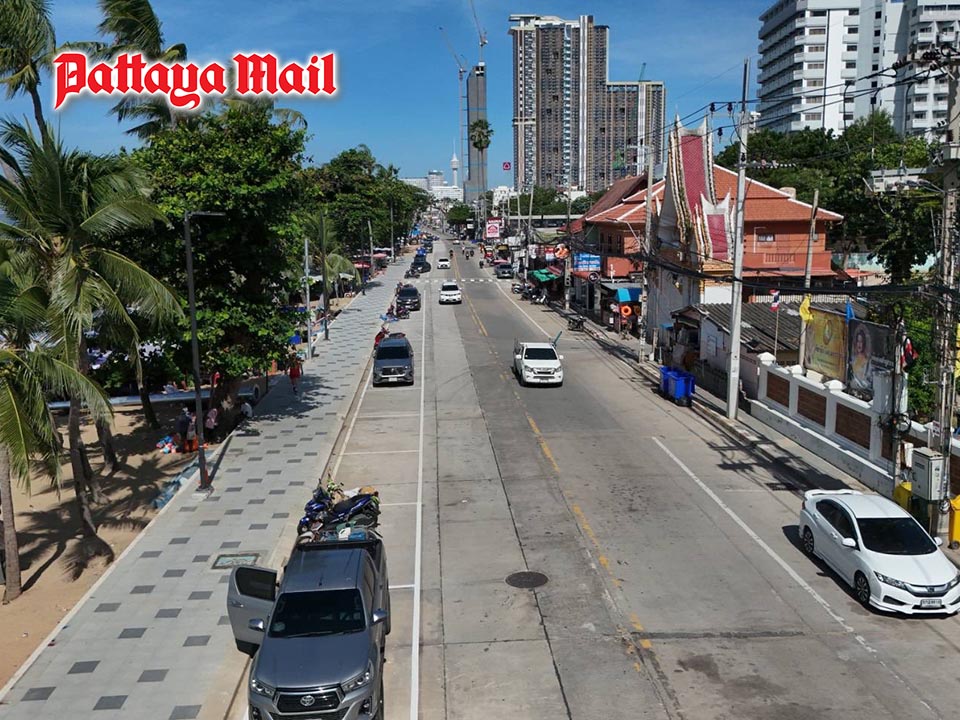
Some blame the chaotic road situation itself. “Customers don’t feel comfortable sitting outside anymore,” a café owner said. “You can be drinking your coffee and a motorbike shoots past you going the wrong direction. It scares people away.”
Others point to broader issues: fewer big-spending long-term visitors, rising costs, stronger baht, and competition from other destinations. Businesses hoped the holiday rush would bring relief, but many now quietly admit their expectations have faded.
“The season’s here, but the money isn’t,” said a massage shop operator. “And the government doesn’t seem interested in fixing the basics — like making sure motorcycles follow the direction of traffic.”
For now, Jomtien Beach Road remains a symbol of Pattaya’s ongoing struggle: rules that look good on signs but rarely translate into real-world behavior, and a tourism economy that appears lively on the surface yet feels fragile underneath.
With high season ticking away, many along the beachfront say they no longer expect miracles — just a little order, a little safety, and maybe a few more customers who aren’t scared off by oncoming motorcycles on a road that’s supposed to flow only one way.