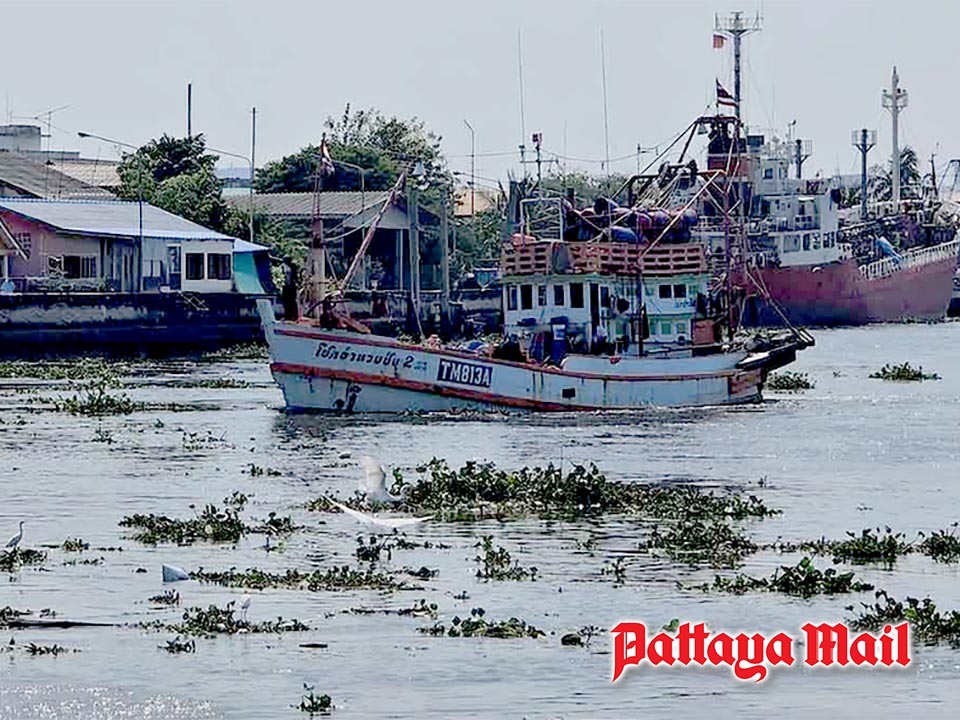
PATTAYA, Thailand – A fuel supply disruption linked to tensions in the Middle East is beginning to affect Thailand’s fishing industry, with fishermen warning that seafood supplies could soon shrink and prices rise — potentially impacting restaurants and tourists in major destinations such as Pattaya.
Following government measures to prevent fuel hoarding, some petrol stations have temporarily stopped selling fuel in containers. While the policy aims to manage fuel distribution during the crisis, fishermen say it is severely affecting small-scale coastal fishing operations.
Many small fishing boats cannot dock at petrol stations to refuel directly and instead rely on purchasing fuel in containers to operate their engines.
Kamon Kraiwattanusorn, who is also a fishing boat owner and seafood trader at Talad Talay Thai, said the situation is already having a serious impact on coastal fishermen.
“Some fishermen cannot find fuel to run their engines because certain petrol stations refuse to sell fuel in containers,” he said.
He explained that small-scale fishermen typically buy fuel from the same stations regularly and use it solely for their boats, not for hoarding. However, without access to fuel, many are unable to go out to sea to catch fish.

Large commercial fishing vessels are also facing rising costs. Although they can still purchase so-called “green diesel,” prices have reportedly increased by about five baht per litre, adding further pressure on the industry.
Kamon warned that if fishermen cannot go out to sea, the impact will spread throughout the seafood supply chain.

“If there is no seafood coming ashore, supply will fall and prices will inevitably rise,” he said. “That will not only affect markets but also restaurants and tourism areas where seafood is a major attraction.”
Popular coastal destinations such as Pattaya, known for its seafood restaurants and beachfront dining, could eventually see higher seafood prices if supplies from fishing communities decline.
The Samut Sakhon Fisheries Association has already submitted a complaint to officials in Samut Sakhon, requesting temporary exemptions allowing fishermen to purchase fuel in containers for their boats.
Kamon said seafood prices have not yet increased but warned that they may soon rise if the situation continues and fishermen cannot bring catches ashore.
“If the situation drags on, seafood on the market will decrease and prices will adjust according to supply,” he said.
Fishermen hope the government can secure additional fuel supplies for the country before the situation worsens, warning that prolonged disruptions could affect not only the fishing industry but also tourism and related businesses across Thailand.