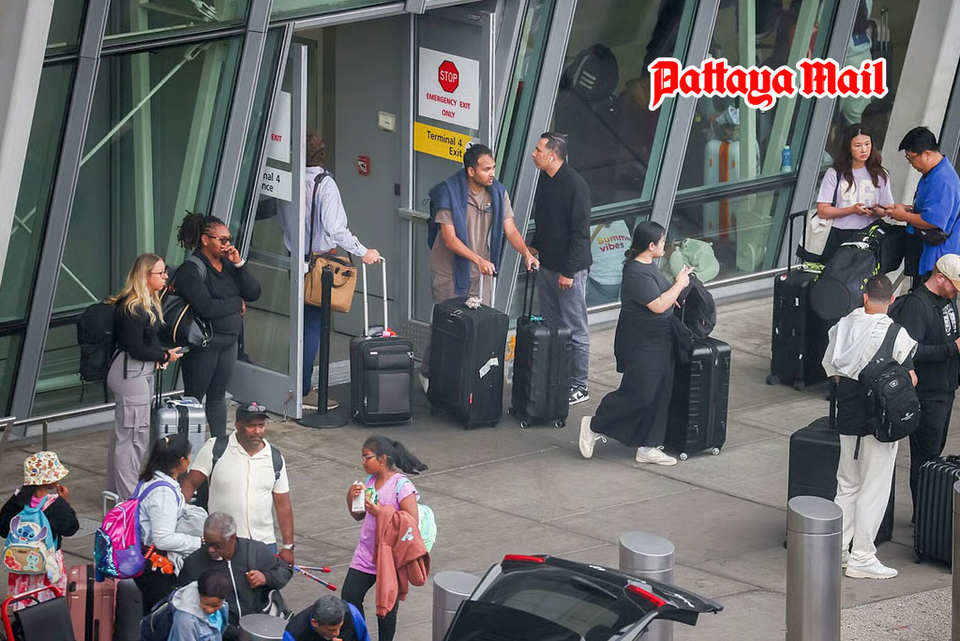
PATTAYA, Thailand – The recent tensions in the Persian Gulf, particularly involving Iran and Israel, may appear geographically distant from Thailand. However, for expatriates living in Pattaya, Chiang Mai, and Phuket, the discussion is not about geopolitics. It is about cost stability and mobility. Among expat communities, the tone is measured and analytical rather than dramatic. The focus is practical: monthly expenses, exchange rates, and the reliability of international travel.
- The Risk of Costs Becoming Less Predictable
Energy prices and cost of living
The Persian Gulf is strategically important to global energy supply. Any instability in the region can quickly affect oil prices. When oil becomes volatile, downstream effects tend to follow in sequence Higher fuel import costs, Potential adjustments to Thailand’s electricity fuel tariff (Ft), Increased transportation expenses, Gradual upward pressure on consumer goods prices. For many expatriates particularly retirees income is largely fixed. Pensions, structured investment income, or regular transfers from abroad are planned around predictable monthly budgets. Thailand has long been attractive precisely because living costs were comparatively stable and manageable.
In Pattaya, retirees frequently assess how a sustained increase in electricity and food prices over six to twelve months would affect their annual budgeting. In Chiang Mai, digital nomads look at the issue differently. Their concern centers on comparative cost advantage. If Thailand’s living expenses rise while international airfares increase at the same time, the country’s traditional cost-of-living edge may narrow relative to other regional hubs. In Phuket, where logistics costs are inherently higher due to geography, energy price volatility can translate more quickly into everyday expenses. The concern is not immediate crisis but reduced predictability.
Exchange rate volatility
Another recurring topic is currency movement. During periods of global uncertainty, the US dollar often strengthens. This creates uneven effects Those receiving income in USD may see temporary exchange advantages. Those dependent on EUR, GBP, or other currencies may face budgeting uncertainty if exchange rates fluctuate. As a result, more expatriates are recalculating monthly projections with wider contingency margins than before.
- Increasing complexity in returning home
Dependence on Middle Eastern aviation hubs
A large portion of European expatriates rely on major Middle Eastern carriers to connect Thailand with Europe, including Emirates, Qatar Airways, Etihad Airways, If airspace restrictions or rerouting become necessary, several consequences may follow Longer flight durations, Higher fuel-related surcharges, Reduced seat availability on certain routes, Increased risk of delays or cancellations. Commercial aviation continues to operate, but the margin of certainty becomes narrower. For expatriates, reliability matters as much as price.
Travel as necessity, not leisure
For many expatriates, travel to their home country is not discretionary tourism. It often involves Visiting aging family members, Scheduled medical appointments, Legal or financial matters, Property management. If flight routes become less direct or more expensive, travel planning becomes more complex. Some expatriates are already adjusting behavior Purchasing flexible or refundable tickets, Allowing extra buffer days in itineraries, Diversifying transit routes, Booking further in advance.
In Chiang Mai, remote workers are evaluating whether sustained airfare increases would reduce the frequency of long-haul trips. In Pattaya, retirees emphasize the importance of being able to travel home quickly in case of family emergencies. In Phuket, business owners connected to tourism monitor long-haul connectivity closely, aware that prolonged aviation disruption could affect inbound travel flows.
- Not a crisis, but a period of heightened monitoring
At present, there is no indication that travel between Thailand and Europe will cease. However, expatriate discussions increasingly focus on Stability of regional airspace access, Global oil price levels, Thailand’s electricity tariff adjustments, Major exchange rate movements (USD, EUR, GBP). The prevailing sentiment is not panic. It is cautious reassessment.
For those who have chosen to build a life abroad, long-term stability depends on two factors predictable living costs and dependable mobility. When either becomes less certain, even temporarily, expatriates respond not with alarm but with recalculation.