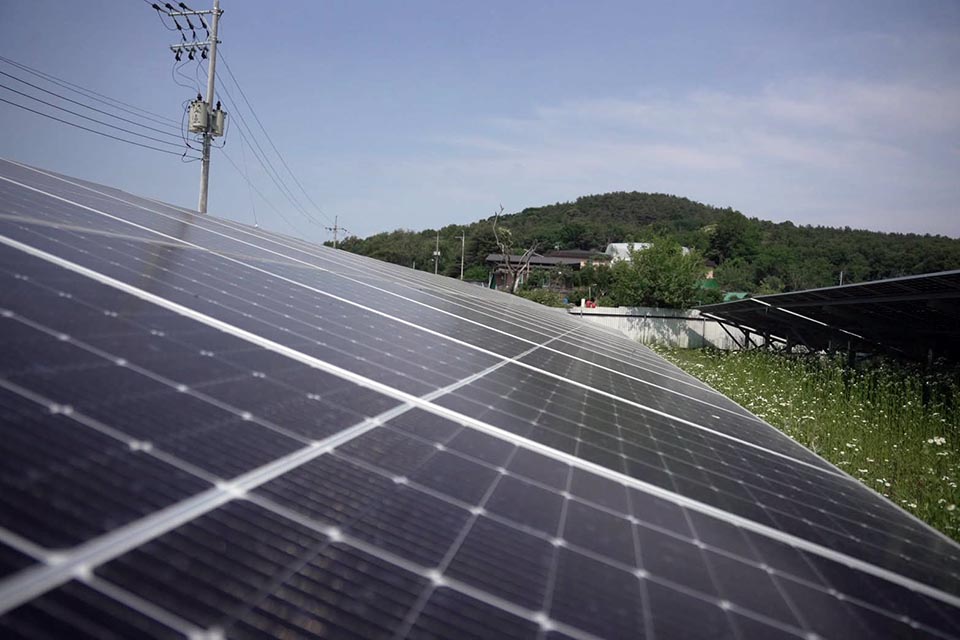
BANGKOK, Thailand – South Korea is promoting a new model of renewable energy development that seeks to address both climate change and rural decline through community participation and local ownership. Led by the Ministry of Climate, Energy and Environment, the Solar Income Village initiative forms part of the government’s broader energy transition strategy. The program aims to accelerate the deployment of renewable energy, strengthen energy security, support carbon neutrality goals, and create new economic opportunities for rural communities. The initiative reflects a growing effort by the government to ensure that the benefits of renewable energy extend beyond electricity generation. As many rural areas face aging populations, declining agricultural incomes, and the migration of younger generations to major cities, policymakers are looking at renewable energy as a tool for regional revitalization.
Under the Solar Income Village model, residents form cooperatives and participate in the planning, operation, and management of solar power facilities installed on underutilized land within their communities. The projects are developed through close cooperation between central and local governments, with communities taking an active role in decision-making throughout the process.
Electricity generated from the solar facilities is sold to the grid, creating a new source of income for participating villages. Revenue can then be used according to community priorities, including welfare programs, scholarships, transportation services, cultural activities, and other initiatives that improve residents’ quality of life.
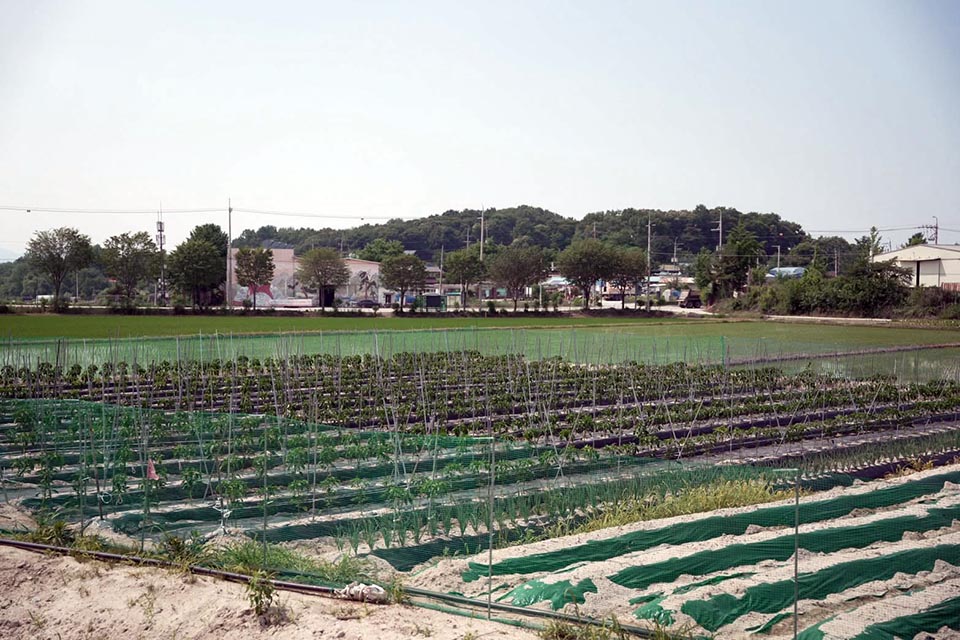
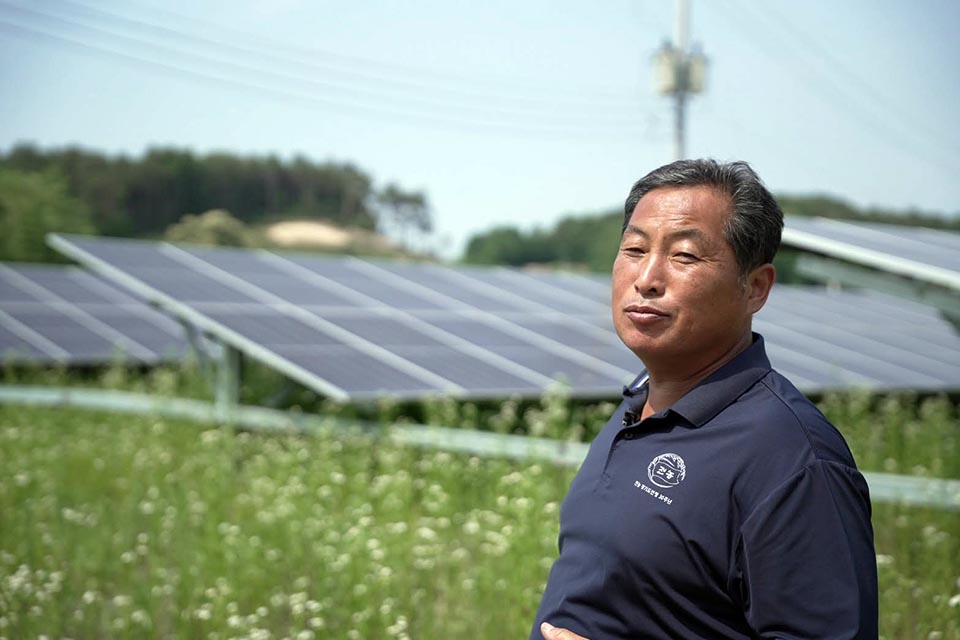
The government is targeting the expansion of more than 700 Solar Income Villages within 2026 as part of a broader push to increase renewable energy capacity nationwide. One of the most prominent examples is “Solar Income Villages Guyang-ri”, a small farming village that has become a model for community-led renewable energy development. According to village chief Ju Young Jeon, building support for the project required extensive dialogue, education, and trust-building among residents. Community leaders worked to explain the safety and profitability of solar energy while encouraging villagers to take part in discussions about the project’s future. He said one of the project’s key strengths is that the benefits are shared by the entire village rather than a small group of individuals. Because the income is distributed in ways that benefit all residents, public support has continued to grow and many former critics have become supporters.
Looking beyond Guyang-ri, the village chief believes the initiative offers an important lesson for countries pursuing carbon neutrality, including Thailand. He said the transition to renewable energy is inevitable, but policymakers must decide who benefits from it. According to him, renewable energy should not be owned solely by those with capital. Instead, communities that are often most vulnerable to climate change and economic challenges should have opportunities to participate in and benefit from the energy transition. He said policies that support local ownership can help countries address climate goals while also reducing inequality and strengthening rural communities. (NNT)