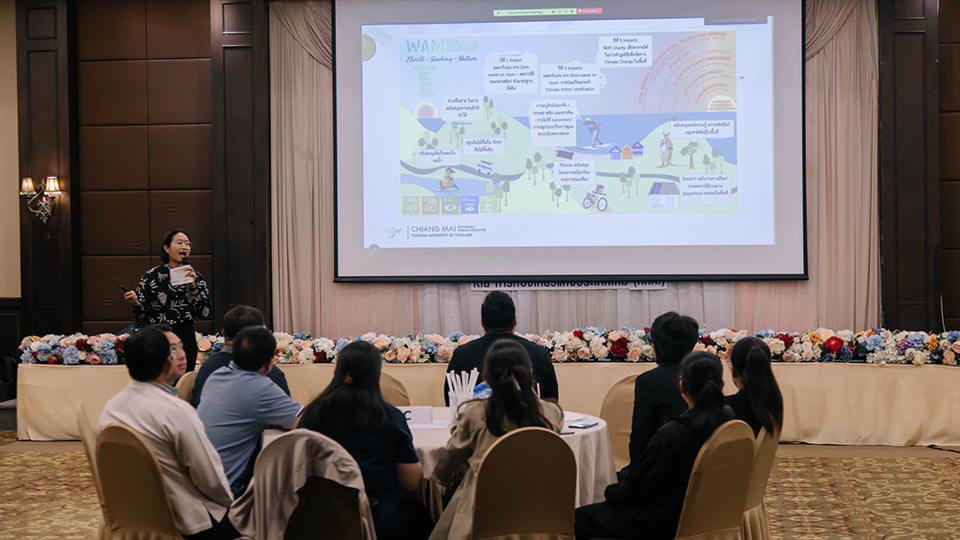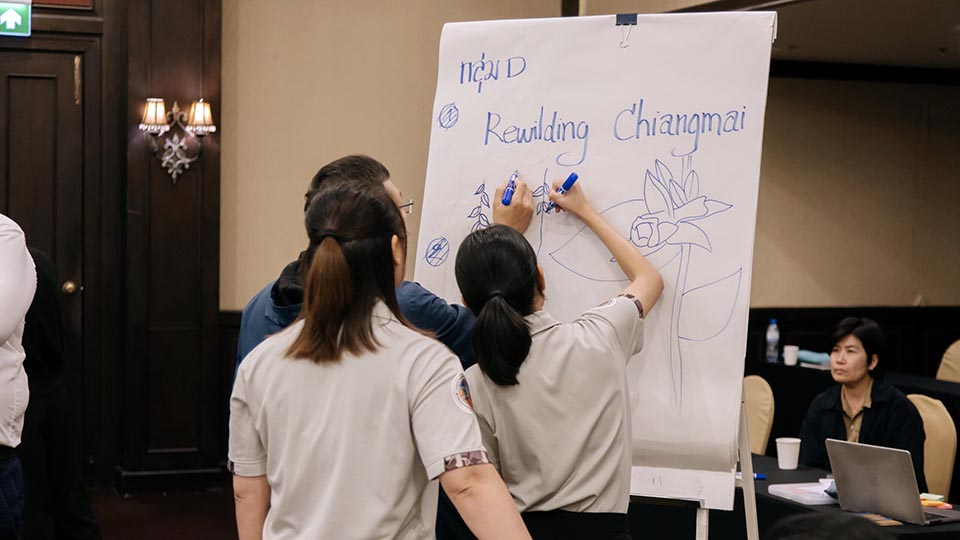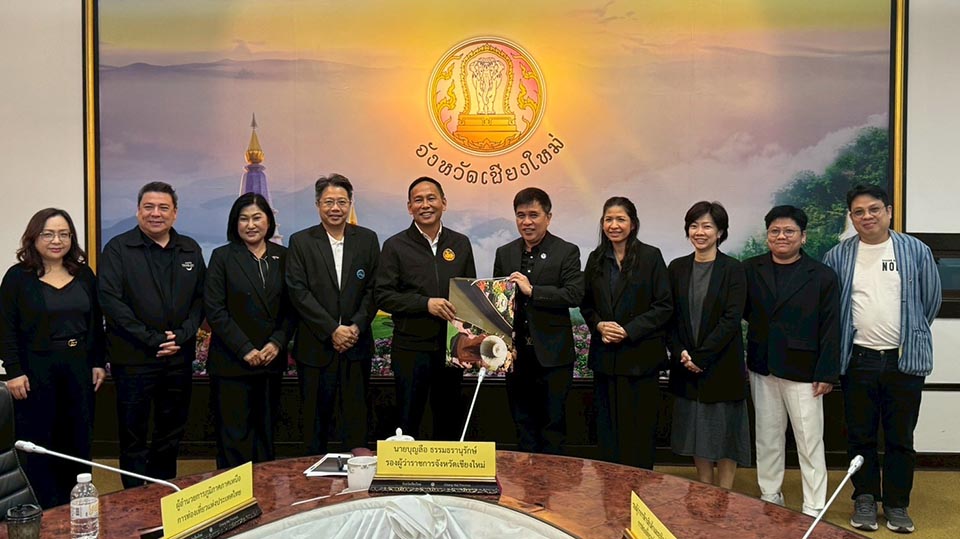
CHIANG MAI, Thailand – The Tourism Authority of Thailand (TAT) is advancing the Chiang Mai Prototype as a sustainable destination development model, with key phases completed and further initiatives under way to elevate tourism standards across the province’s supply chain. The project aligns with TAT’s broader strategy to promote quality-led, balanced, and sustainable tourism under the Sustainable Tourism Goals (STGs) framework, reinforcing Thailand’s long-term position as a world-class sustainable tourism destination.
Ms. Thapanee Kiatphaibool, TAT Governor, said, “The Chiang Mai Prototype reflects TAT’s direction to make sustainability a practical foundation for destination management, not only a policy goal. By working with local stakeholders to strengthen standards, products, skills, innovation, and responsible visitor experiences, TAT aims to build a destination model that creates long-term value for communities, entrepreneurs, visitors, and Thailand’s tourism industry.”
Chiang Mai was selected as a 2026 prototype destination for its strong tourism foundation and distinctive northern identity. The province offers a rich blend of Lanna heritage, craft traditions, creative communities, local cuisine, wellness assets, nature-based attractions, and connectivity. Its status as a UNESCO Creative City of Crafts and Folk Art, together with its progress through international Smart City collaboration initiatives, further supports TAT’s aim to position Chiang Mai as a destination where culture, creativity, innovation, and sustainability intersect.
Following early groundwork, current efforts focus on preparing selected best-practice areas and attractions for international sustainability certification, supporting Chiang Mai’s development towards Global Green Destination standards. TAT is also encouraging tourism-related innovation and start-up solutions to enhance visitor convenience, improve travel experiences, and strengthen marketing efficiency for local operators.

Upcoming activities include the rollout with green events across Chiang Mai, applying sustainable event-management practices designed to reduce environmental impact, optimise resource use, and encourage community participation. They also serve as practical demonstrations of how sustainability can be integrated into tourism operations, partnerships, and visitor experiences.
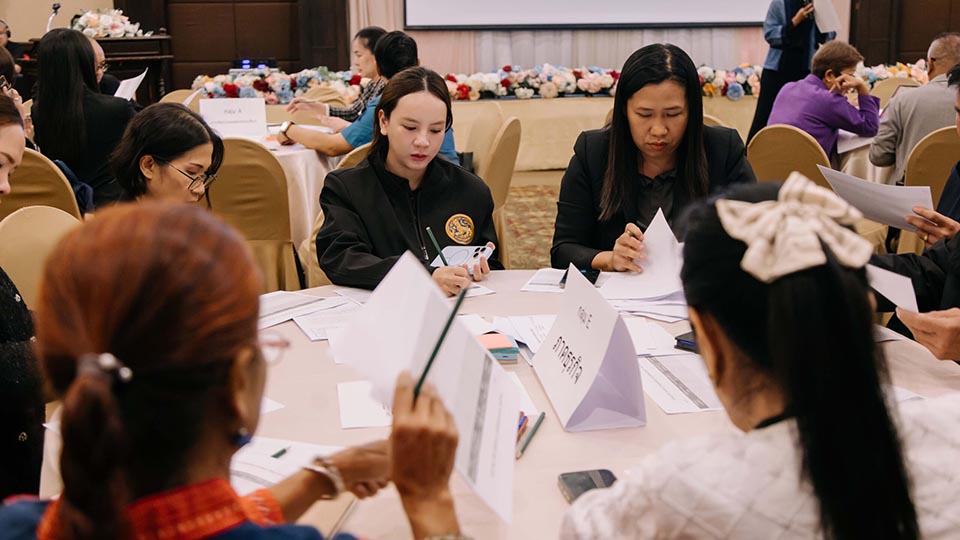
This progress builds on earlier stakeholder engagement with public agencies, private-sector operators, community networks, and local partners. Together they have identified tourism products and services with potential to meet TAT’s sustainability standards, including STGs Sustainable Tourism Acceleration Rating (STAR), the Thailand Tourism Awards, and CF-Hotels.
TAT has also delivered targeted upskilling programs for Chiang Mai tourism operators, focusing on sustainable practices, market readiness, and responsible product development. In parallel, stakeholders have co-developed Sustainable Tourism Journeys that reflect Chiang Mai’s Lanna culture, community life, local cuisine, handicrafts, nature, and wellness offerings.
The project builds on the success of the Krabi Prototype, TAT’s pioneering Blue Zones-based model, which advanced environmental stewardship, cultural preservation, and community wellbeing, while establishing certified sustainable tourism routes. With Chiang Mai emerging as the northern prototype and additional destinations such as Ko Lanta in development, TAT continues to scale a practical model to support sustainable, high-value tourism across Thailand. (TAT)