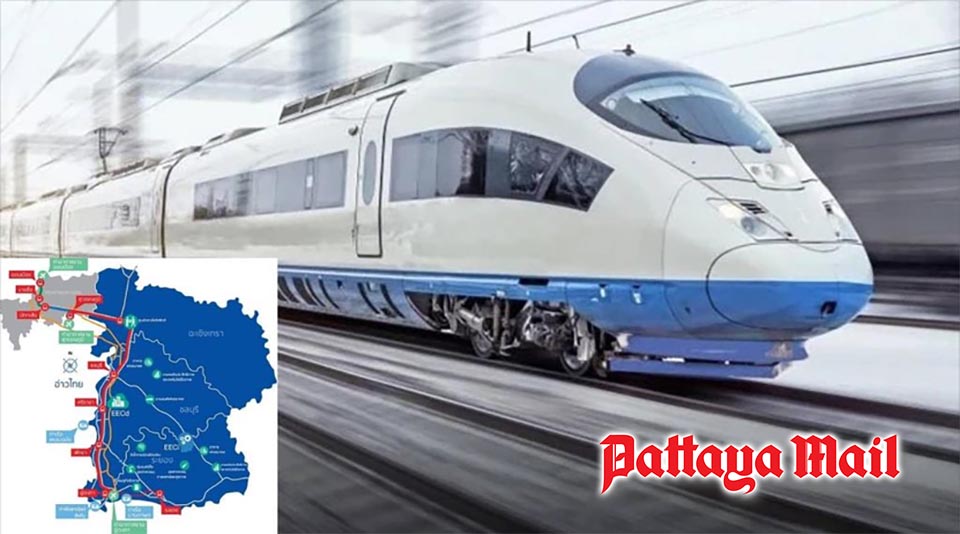
PATTAYA, Thailand – The Eastern Economic Corridor (EEC) says the rail connection linking three major airports remains essential for Thailand’s future development, despite the termination of the high-speed rail contract between the State Railway of Thailand (SRT) and the private consortium.
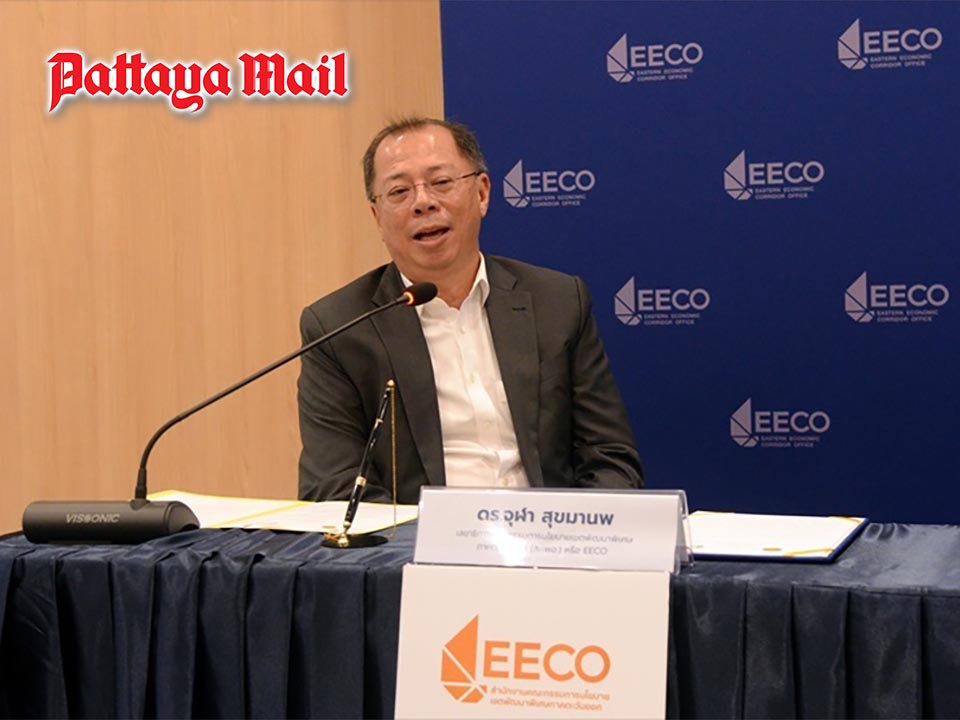
EEC Secretary-General Chula Sukmanop said that after Asia Era One Co., Ltd. exercised its contractual right to end the public-private partnership agreement, the SRT and the private partner must follow the contract conditions, including discussions over rights, responsibilities, assets and any related compensation.
He stressed that compensation and damages are matters between the two contractual parties, as the EEC is not directly involved in the agreement. “The contract issue belongs to the SRT and the private sector. Once the contract ends, both sides must proceed according to the agreement. But the government must consider how the project will continue because the rail connection to U-Tapao Airport remains necessary,” Chula said. The EEC chief said the government should not wait until all disputes are fully resolved before deciding the future direction of the project. The priority is finding a workable solution quickly to prevent further delays.
Authorities will discuss options with the SRT, including whether to continue with a similar model, adjust the project structure or consider a new approach. A decision on whether a new bidding process will be launched has not yet been made. The issue will be presented to the Eastern Economic Corridor Policy Committee (EEC Board), chaired by the prime minister, for consideration. A meeting date has not yet been set.
Chula acknowledged that the project has already lost significant time, saying Thailand has spent around eight years dealing with delays. He urged authorities to focus on moving forward rather than continuing to revisit past problems.
“The past cannot be changed. The question is whether we stay where we are or move forward. I believe we must move forward because otherwise we will never reach the future,” he said.
Regarding concerns that the contract termination could affect investor confidence, Chula said the government’s priority should be providing a clear future direction. He added that the future project does not necessarily have to remain exactly the same as the original high-speed rail plan. All options remain open, including different rail solutions, as long as they support connectivity to U-Tapao Airport and the wider EEC development strategy.
One major challenge for the original project was financial feasibility. Chula said banks and financial institutions require projects to demonstrate sufficient economic returns before providing funding.
Any new approach must therefore consider investment feasibility, construction timelines and the long-term development needs of the EEC. He said one possible option involves a rail system covering around 160 kilometers, but all alternatives must be studied together with the SRT before a final decision is made. The EEC maintains that while the project may require a new direction, Thailand must continue improving transport links to support investment, tourism and future economic growth.