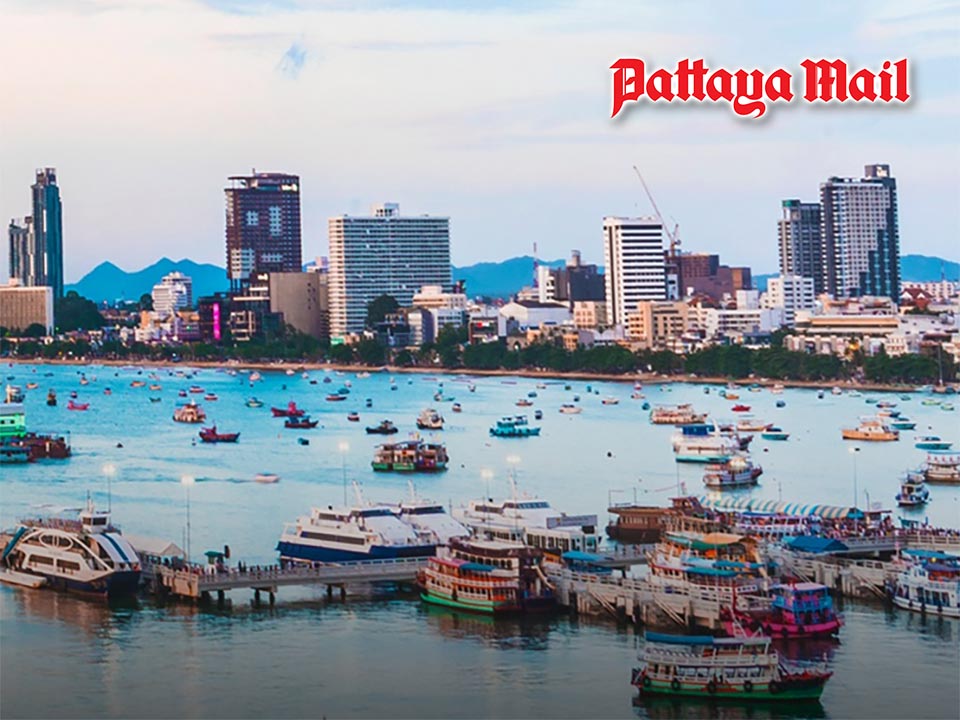
PATTAYA, Thailand – Pattaya is no longer seen as just a seaside getaway for tourists. The city is increasingly positioning itself as a major economic hub within Thailand’s Eastern Economic Corridor (EEC), bringing with it new expectations, opportunities, and challenges.
But as the city prepares for another phase of rapid expansion, the central question is shifting from how much Pattaya will grow to who will ultimately benefit from that growth.
Under the administration of Mayor Poramet “Beer” Ngampichet of Pattaya City, local authorities say development efforts are moving forward on multiple fronts, including flood prevention, wastewater treatment, waste management, public safety, infrastructure, tourism zones, healthcare, and overall quality of life.
The city believes these improvements will help transform Pattaya from simply a tourism destination into a center for investment, business, employment, and modern urban living.
Officials say Pattaya stands to gain in several major ways from the continued expansion of the EEC:
- A broader urban economy beyond tourism
As the EEC grows, Pattaya is expected to attract investors, executives, skilled workers, industrial employees, business travelers, and their families — not just tourists. This could spread income across hotels, restaurants, shopping centers, healthcare, education, and local service industries.
- Tourism upgraded into a full-service global destination
Pattaya is aiming to expand beyond beaches and nightlife by strengthening its role in MICE tourism — meetings, incentives, conferences, and exhibitions — alongside wellness tourism, sports, food, culture, and international events.
- Better infrastructure and regional connectivity
Major EEC-linked projects, including U-Tapao International Airport, rail systems, highways, ports, and logistics networks, are expected to make Pattaya more accessible from Bangkok and nearby economic zones, making large-scale investment and international events easier to support.
- Rising demand for housing and real estate
Pattaya is increasingly being viewed as a long-term residential destination rather than only a holiday city, driven by growing demand from workers and businesses operating throughout the Eastern Economic Corridor.
- More opportunities for local businesses
As more people move through the city, local SMEs and small businesses — including restaurants, cafés, transport services, laundries, repair shops, wellness businesses, language schools, fitness centers, and pet-related services — are expected to benefit from new consumer demand.
City leaders argue that Pattaya’s future is no longer just about urban development or tourism numbers, but about ensuring that economic transformation creates lasting opportunities and a better quality of life for local residents.