PATTAYA, Thailand – Thailand may be heading toward a period of heightened economic and environmental uncertainty as global tensions, rising energy prices, and shifting climate patterns begin to converge, according to Assoc. Prof. Dr. Thon Thamrongnawasawat, marine and environmental academic and lecturer at the Department of Marine Science, Faculty of Fisheries, Kasetsart University.
In a Facebook post on April 20, Thon summarized what he described as an evolving “multi-layered risk landscape” following the recent long holiday period, pointing to developments in global conflict, climate conditions, and marine ecosystems.
He noted that geopolitical tensions remain unresolved, with uncertainty continuing over negotiations involving Iran. According to his summary, oil prices have climbed above 95 US dollars per barrel amid concerns over possible disruptions in the Strait of Hormuz, while reports of maritime confrontations and drone activity have further heightened market anxiety, though some claims remain unconfirmed.
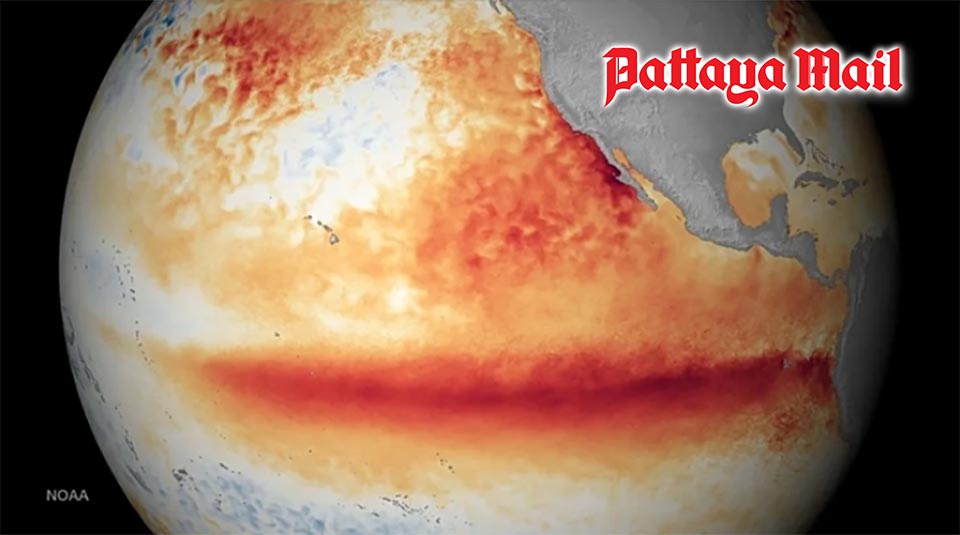
Thon also warned that El Niño conditions are increasingly likely to develop, with a probability of more than 60 percent between May and July 2026. He said the event could strengthen through the second half of the year and persist into the following dry season.
He emphasized that current extreme heat conditions are not yet driven by El Niño, but rather by long-term global warming trends. However, he cautioned that if El Niño fully develops, Thailand could face reduced rainfall, particularly affecting the southern region where wet-season timing overlaps with dry conditions during El Niño years.
He further warned that while overall rainfall may decrease, the intensity of tropical storms and typhoons in the wider Asian region could increase, potentially affecting northern and northeastern Thailand through flash floods and storm remnants.
On marine ecosystems, Thon said widespread coral bleaching has not yet occurred this year, as the critical early-season threshold has passed. However, he cautioned that future years could be more severe if El Niño conditions intensify. Seagrass habitats, meanwhile, have shown slight improvement in some areas, possibly due to recent climatic balance periods, though he noted concern over declining dugong populations affecting ecosystem dynamics.
He also highlighted recent marine wildlife concerns, including stranded dolphins undergoing treatment and the loss of dugongs, urging continued conservation efforts.
Turning to tourism and the economy, Thon said post-Songkran conditions reflect rising financial pressure, with higher costs, cautious consumer spending, and uneven recovery across destinations. He added that global fuel prices and supply pressures are beginning to impact airlines, with potential flight reductions if energy costs remain elevated.
He warned that if geopolitical tensions persist alongside climate disruptions, Thailand could face a “double shock” scenario — where rising costs, inflation, and weather volatility occur simultaneously, affecting both income expectations and living expenses.
“Stay prepared and keep watching the situation closely,” he wrote, ending his message with a call for resilience amid uncertain global conditions.