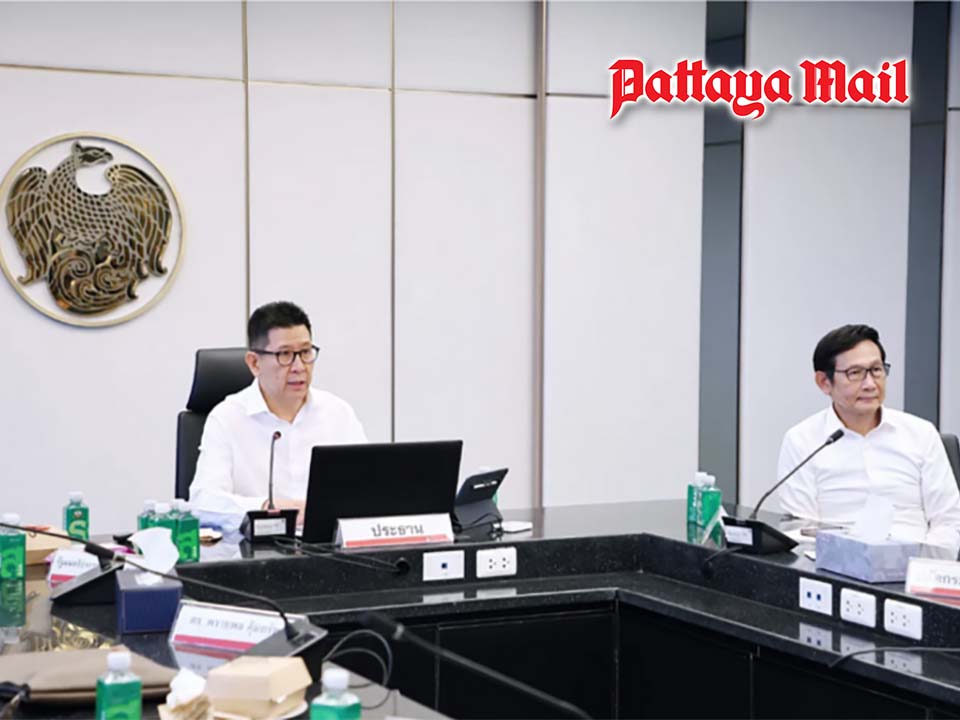
PATTAYA, Thailand – Thailand’s Ministry of Finance is preparing to submit a package of urgent measures to the Cabinet on April 11, aimed at easing the growing burden of high fuel prices on households and businesses, as concerns mount over wider economic impacts.
Deputy Prime Minister and Finance Minister Ekniti Nitithanprapas said the proposals are designed to support vulnerable groups, stimulate domestic spending, and prevent the economy from sliding into a deeper slowdown.
A key highlight is the proposed “old car for new car” trade-in scheme, backed by low-interest loans totaling 30 billion baht. The program would apply to domestically produced vehicles, including electric vehicles (EVs) and hybrids, in a push to promote cleaner energy use and reduce carbon emissions.
Additional short-term relief measures include:
- A 100-baht top-up to state welfare cards for one month
- Fuel cost support for the fishing sector
- Low-interest (soft) loans via the Bank for Agriculture and Agricultural Cooperatives (BAAC) to help farmers purchase fertilizers
- Incentives to expand solar energy adoption
Authorities are also coordinating across ministries. The Commerce Ministry will oversee consumer goods pricing through the “Thai Help Thai” initiative, while the Budget Bureau is considering adjustments to construction cost indices to assist contractors facing rising material prices.
The government is currently subsidizing fuel prices by nearly 20 baht per liter per day to keep domestic costs from spiking too sharply compared to neighboring countries.
Officials warn that the energy crisis is already triggering a chain reaction—driving up production costs, pushing inflation higher, and weakening consumer demand. Without intervention, this could lead to stagflation, where economic growth stalls while prices remain elevated.
To address this, the Finance Ministry is also preparing a budget reallocation bill worth around 100 billion baht to ensure sufficient funding flexibility, and may consider loan guarantee measures if financial institutions become more cautious in lending.
Thailand’s economic growth for 2026 is currently projected at around 2%, with rising global oil prices posing a continued risk. Authorities estimate that every $10 increase in crude oil prices could shave about 0.2 percentage points off GDP growth.
Following Songkran, Ekniti is expected to attend meetings with the World Bank in the United States to present Thailand’s economic outlook and reinforce confidence among global stakeholders. (TNA)