PATTAYA, Thailand – When the holiday calm ends, the real bill begins. Thailand’s decision to freeze bus fares through Songkran may ease the immediate burden on travelers, but it also delays a problem that hasn’t gone away — rising fuel costs. Once April 19 passes and the price controls lift, the pressure that has been building behind the scenes is likely to surface quickly, and places like Pattaya could feel it harder than most.
For operators, the math is simple. Diesel prices have been volatile, and transport companies have been absorbing higher costs during one of the busiest travel periods of the year. Holding fares steady may win short-term goodwill, but it squeezes margins. When the freeze ends, there will be strong incentive — and arguably justification — to adjust prices upward to recover losses.
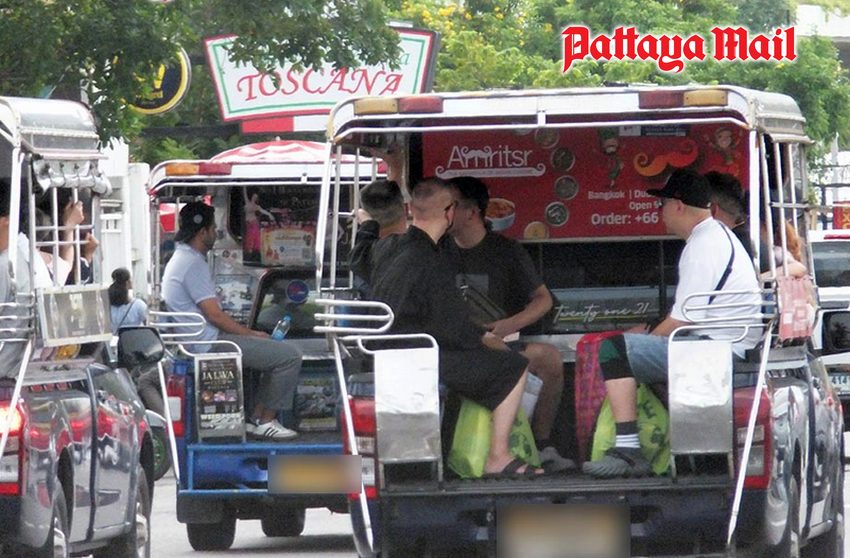
For Pattaya, the ripple effects go beyond interprovincial buses. The city’s entire transport ecosystem is tied to fuel. Baht buses, motorbike taxis, private transfers, delivery services — all operate on thin margins and are highly sensitive to diesel and petrol prices. When costs rise, they rarely stay contained in one sector.
Long-term visitors and locals are likely to notice it first in small, everyday ways. A slightly higher fare here, a delivery surcharge there, or fewer drivers willing to operate during off-peak hours. Over time, these incremental increases stack up, quietly raising the cost of living.
Tourism, too, sits in a delicate position. Pattaya has already been navigating softer spending patterns in recent months. Visitors may still come, but they are watching budgets more closely. Higher transport costs — even modest ones — can influence decisions on where to go, how long to stay, and how much to spend once they arrive.
There is also a psychological shift. Price freezes create a temporary sense of stability, but when they are lifted, the adjustment can feel sharper than if prices had moved gradually. For many, it won’t just be about paying more — it will feel like everything is suddenly getting more expensive at once.
Authorities have signaled that any fare adjustments will be managed carefully, with mechanisms tied to fuel price movements. But the reality is that “alignment with costs” almost always points in one direction when energy prices are high.
The broader question is whether this cycle becomes recurring. Temporary relief followed by catch-up increases can create a pattern of short-term fixes rather than long-term stability. For a city like Pattaya, which depends heavily on both mobility and affordability, that uncertainty matters.
Songkran may bring a brief pause in rising costs, but once the festival ends, the market will reassert itself. And when it does, Pattaya’s residents and long-term visitors may find that getting around — and living day to day — has quietly become more expensive.