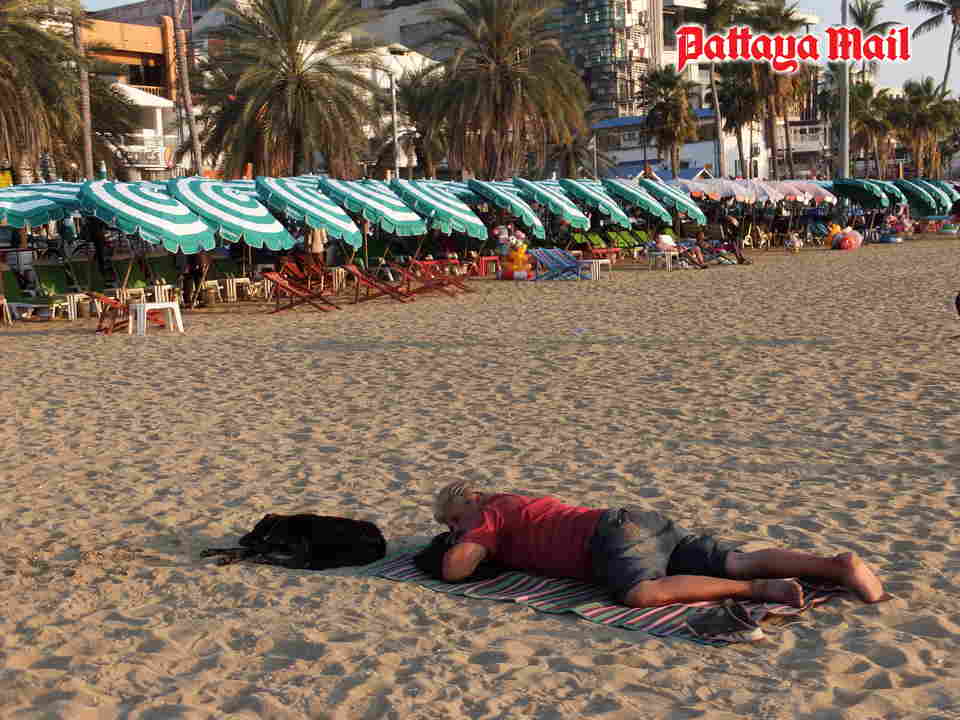
PATTAYA, Thailand – Scroll through any Pattaya forum and a pattern quickly emerges — admiration, frustration, nostalgia, and blunt criticism all colliding in the same space. The question beneath it all is simple but uncomfortable: can Pattaya shape the kind of visitors it attracts, or is it still dependent on sheer volume to keep the engine running?
For decades, Pattaya has been driven by what many still call its “golden goose” — mass tourism. But today, that goose looks less golden and more complicated. Visitors are no longer just arriving for beaches and sunshine. They are coming with expectations shaped by online content, social media, and, as some commenters bluntly point out, a certain kind of reputation that continues to define the city whether officials like it or not.
There’s a growing divide in perception. On one side are those who see Pattaya as chaotic — a place of excess, where loud nightlife, shirtless tourists, and street-level disorder dominate the image. Comparisons to places like Benidorm or even “Asia’s Magaluf” reflect a fear that the city is drifting toward a low-cost, high-volume model that prioritizes numbers over quality.
On the other side are residents and long-term visitors who argue that this view barely scratches the surface. Step away from the busiest nightlife zones, they say, and Pattaya reveals a very different rhythm — local markets, morning exercise routines, quiet neighborhoods, and a lifestyle that has little to do with the stereotypes.
But the tension is real. Infrastructure complaints — unsafe sidewalks, difficult road crossings — cut across all types of visitors. These are not luxury concerns; they are basic expectations. When even those aren’t consistently met, it raises a deeper question about priorities: is the city investing enough in the fundamentals, or relying too heavily on its ability to attract crowds regardless?
The comparison with Bali also surfaces in these discussions, often as a contrast. Some see Bali as having more control over its tourism identity, while Pattaya remains more exposed — shaped as much by demand as by design.
Then there is the economic reality. Pattaya cannot simply “choose” its tourists without consequences. The pandemic offered a glimpse of what happens when arrivals disappear — empty streets, shuttered businesses, and a silence that many remember all too well. The fear now, echoed in some comments, is not just about the type of tourists, but about what happens if they stop coming altogether.
At its core, the debate isn’t really about shirtless visitors, nightlife, or even reputation. It’s about direction. Can Pattaya evolve into a more balanced destination without losing its economic lifeline? Can it raise standards without pricing itself out of competitiveness? And can it shift perception without ignoring the reality of what still draws millions each year?
For now, Pattaya remains a city of contrasts — part global playground, part everyday hometown. Whether it continues chasing volume or begins shaping identity more deliberately will define not just who comes next, but what the city becomes.