Understanding the forces, risks and ripple effects behind a rapidly evolving conflict
BANGKOK, Thailand – The current Gulf crisis is not an isolated event, but the culmination of years of mounting tension, shifting alliances and the steady erosion of diplomatic norms that once helped contain regional rivalries. What has changed most is the pace. Decisions are being made faster, responses are more immediate, and the space for quiet diplomacy has narrowed. What once unfolded over months is now compressed into days.
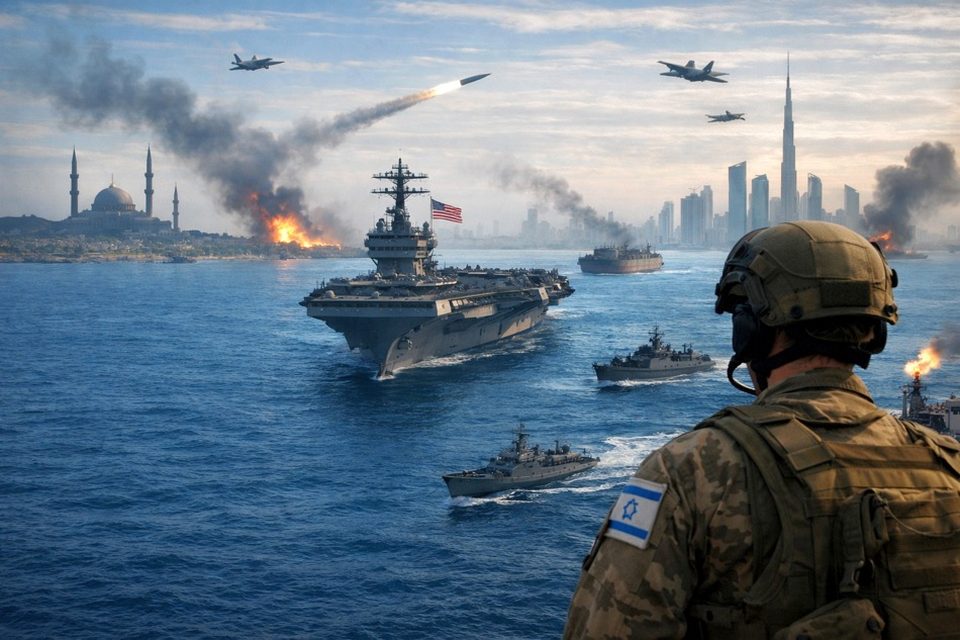
At the centre lies a familiar axix: Iran, Israel and the United States. Yet this is no longer a contained confrontation. Its implications now extend far beyond the region. The early phase has been defined by rapid escalation — targeted strikes, counter-strikes and heightened military readiness. Each move serves a dual purpose: tactical gain and strategic signalling.
For Israel, the objective appears clear — act decisively while drawing the United States deeper into the conflict. For Washington, the calculation is more complex: support an ally and project strength, while avoiding a wider war that could spiral beyond control. This tension defines the moment.
Public messaging suggests restraint, yet military movements indicate preparation. The result is a strategic ambiguity that keeps all sides on edge. Iran, meanwhile, is pursuing a longer strategy. Its response has been measured rather than impulsive, preserving flexibility while allowing pressure to build across multiple fronts. This is not passivity — it is deliberate positioning.
Global Ripple Effects
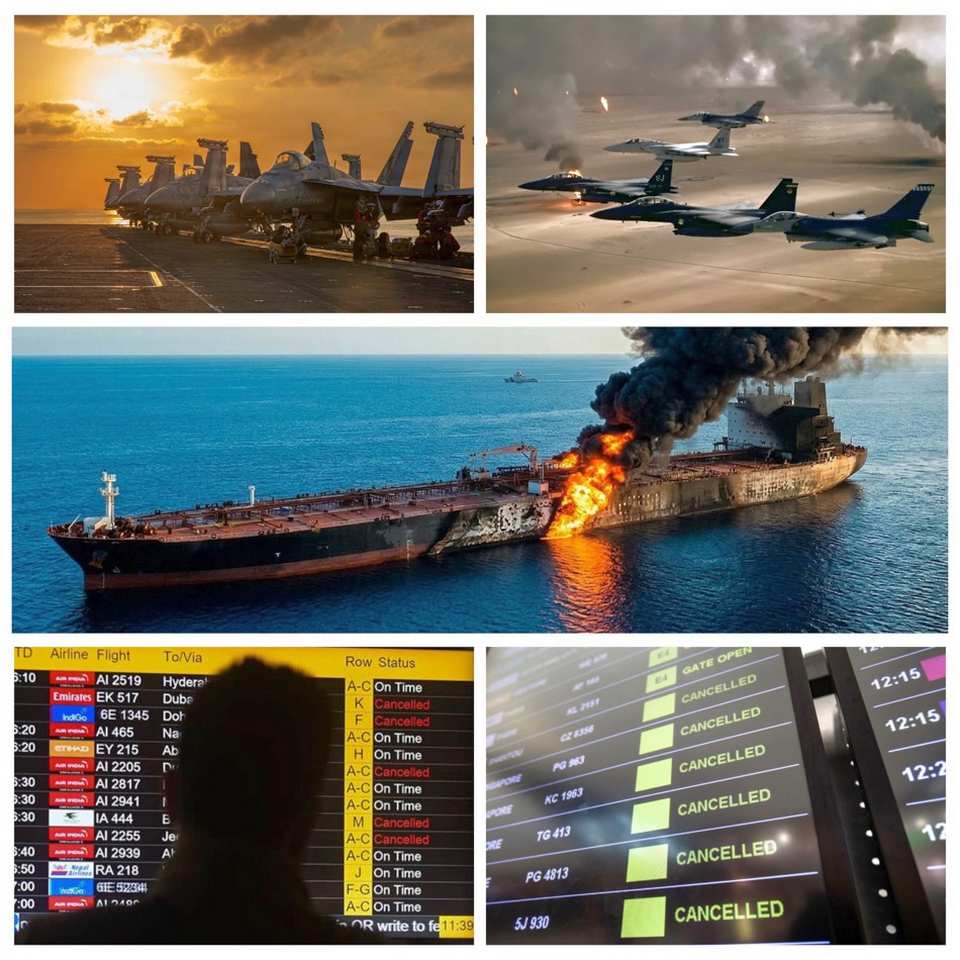
Airspace disruptions across parts of the Middle East are already forcing airlines to reroute, increasing both flight times and operational costs. Key shipping lanes — particularly the Strait of Hormuz — face elevated risk, with direct implications for global energy supply.
Energy markets have reacted instantly.
Oil prices have surged on the mere perception of disruption. Even limited instability in the Gulf can trigger disproportionate effects across global supply chains — a serious concern for economies already navigating inflation and fragile recoveries.
Tourism is among the first sectors to feel the impact.
Perception matters as much as reality. Images of conflict travel fast, influencing traveller behaviour, raising insurance costs and prompting airlines to adjust capacity. The result is a cooling effect that often extends far beyond the immediate conflict zone.
For Asia, the consequences are indirect but significant.
Higher fuel costs translate into more expensive airfares and altered route planning. Long-haul travel becomes less accessible, and confidence — always a fragile component of tourism — becomes harder to sustain. At the same time, travel patterns may shift. Destinations perceived as stable could benefit from diverted demand, while those seen as exposed may face sudden downturns. The balance remains fluid.
Financial markets reflect this uncertainty.
Energy stocks are strengthening, while broader indices show volatility as investors recalibrate risk in real time.
What Happens Next?
Three possible paths could shape the trajectory of the crisis:
- Containment: Diplomatic pressure intensifies, back-channel negotiations gain traction, and the conflict stabilises without expanding. This remains the preferred outcome for markets and the travel sector.
- Controlled escalation: Limited strikes continue without triggering full-scale war. Tensions remain high, prolonging uncertainty, sustaining elevated energy prices and dampening confidence.
- Expansion: A miscalculation or misread signal draws additional actors into the conflict, with immediate and far-reaching consequences for energy, aviation and global trade.
At present, the situation sits between containment and controlled escalation. The greatest risk lies not only in deliberate action, but in misinterpretation. In a fast-moving environment, signals can be misunderstood and intent misjudged — allowing events to move beyond control.
Why Understanding the Adversary Matters
Understanding this conflict goes beyond military capability. Political pressure, economic vulnerability and strategic ambition all shape decision-making. Without recognising these forces, responses risk being reactive rather than informed.
The Gulf has always been a region where local tensions carry global consequences. What is different today is the level of interconnectedness. Energy markets, aviation networks and tourism flows are tightly linked — disruption in one area quickly spreads to others.
For the travel and tourism sector, the lesson is clear: agility is essential. Monitoring developments, adjusting capacity and maintaining clear communication with travellers will be critical in the weeks ahead. For investors and policymakers, the challenge is to navigate uncertainty without overreaction. For the wider global community, the stakes are high.
This is no longer simply a regional crisis. It is a test of how power is exercised in a faster, more fragmented world. The Gulf rupture is not just about what is breaking – it is about what may come next.
The Next Moves in the Gulf
- Watch for signals, not statements. Real diplomacy will unfold behind closed doors.
- Oil remains the key indicator. Sustained rises suggest prolonged tension; sharp spikes may signal escalation.
- Aviation will react early, with route changes, capacity cuts and fare increases.
- Markets will remain volatile, driven more by uncertainty than fundamentals.
- The greatest danger is miscalculation — not intent, but error.
 About the Author
Andrew J. Wood is a Bangkok-based travel writer who has lived in Thailand since 1991. With more than four decades in the international hospitality industry, he has held senior leadership roles with leading hotel groups. A past President of Skål Asia and former National President of Skål Thailand, as well as a two-time President of Skål International Bangkok, he writes widely on tourism and hospitality trends across Asia.
Editor’s Update – March 2026:
Events in the Gulf continue to shift quickly. Military posturing remains elevated, diplomatic signals are mixed, and markets are reacting in real time. The analysis above reflects the latest understanding of a crisis whose broader consequences are still unfolding.
Image Note:
All images are illustrative AI-generated representations created for this article and should not be interpreted as factual depictions of real events.