BANGKOK, Thailand – Thailand’s Ministry of Culture clarified that Cambodia’s submission of “Mohasangkran chnam thmey, the traditional Khmer New Year in Cambodia” to UNESCO will not impact the status of “Songkran in Thailand,” which is already inscribed on UNESCO’s Intangible Cultural Heritage list.
Department of Cultural Promotion Director-General Yuthika Isarangkun Na Ayutthaya stated that the Department reviewed UNESCO’s official website and confirmed that Cambodia’s proposal is accurately reflected in the organization’s database.
According to UNESCO records, Cambodia has one nomination under consideration for the 2026 cycle, “Traditional Khmer wedding.” The Mohasangkran chnam thmey entry is in the preparatory stage for review the following year, in line with procedures under the 2003 Convention for the Safeguarding of the Intangible Cultural Heritage.
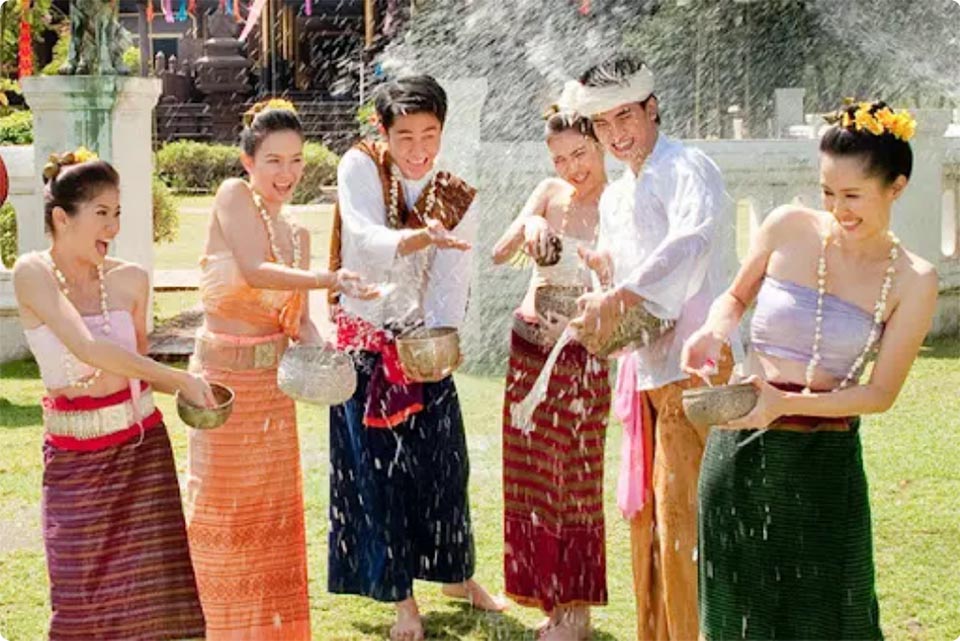
The Director-General emphasized that Thailand submitted “Songkran in Thailand, traditional Thai New Year festival” in 2021, and it was officially inscribed in 2023. This registration remains valid and is not affected by nominations from other countries.
She noted that the UNESCO convention aims to protect, preserve, and promote cultural heritage, not to establish exclusive national ownership, since many traditions are shared by multiple countries.
For example, Myanmar’s “Atā Thingyan” New Year festival was inscribed in 2024, reflecting traditions similar to those celebrated in mid-April.
Thailand became a State Party to the convention on June 10, 2016, and currently has six elements of intangible cultural heritage recognized internationally: Khon, Thai massage, Nora, Songkran, Tom Yum Kung, and Kebaya.
The Director-General also reaffirmed its commitment to monitoring regional developments, cultural cooperation, and accurate public communication. (NNT)