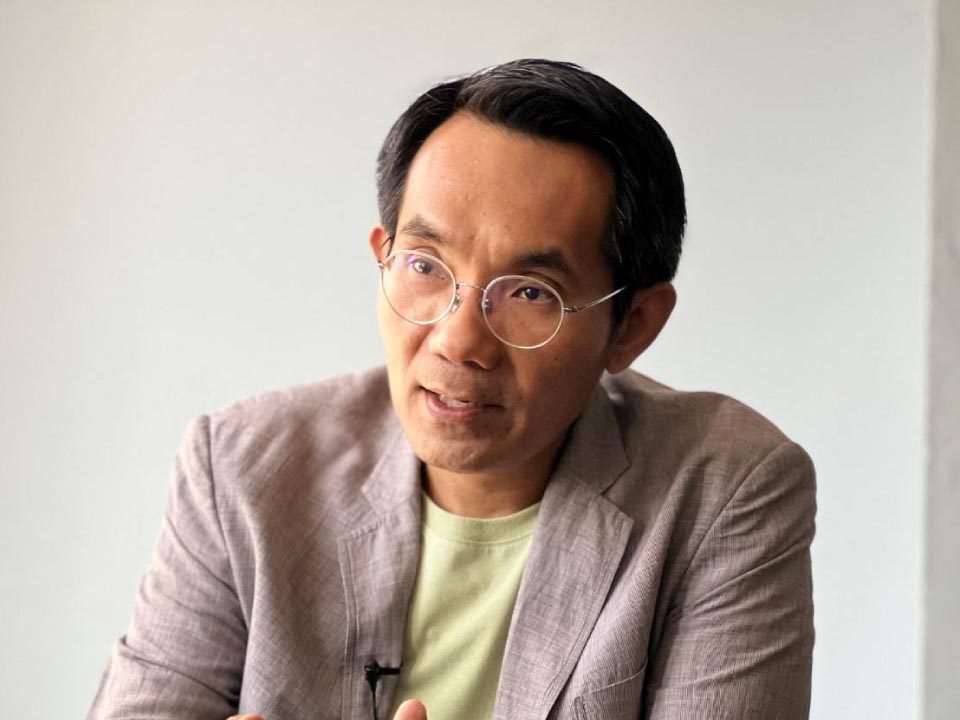
BANGKOK, Thailand – Assoc. Prof. Dr. Olan Thinbangtieo, a lecturer at the Faculty of Political Science and Law at Burapha University, has said that the root cause of ongoing tensions between Thailand and Cambodia lies not with the Cambodian people, but with what he described as the “Hun Sen regime,” which he argues poses broader regional and global security risks.
Commenting on the Thai–Cambodian conflict and the involvement of U.S. President Donald Trump, Dr. Olan said the international community — particularly the United States — should focus seriously on the political system underpinning Cambodia’s current leadership. He described it as a source of cross-border crime, regional instability, and transnational security threats.
Thailand, he stressed, has no conflict with Cambodia as a country or with its citizens. Instead, the problem lies with a political regime sustained by patronage networks linked to illicit capital, scam operations, and money laundering, which he said are used to maintain political power, military influence, and armed proxy groups. These activities, he warned, affect not only regional stability but also the security of many countries worldwide.
From a political science perspective, Dr. Olan said that if President Trump genuinely seeks to play a role in promoting peace, efforts must be directed at dismantling the power structures behind such a regime, rather than pressuring neighboring countries that are acting to defend their sovereignty. Cambodia, he added, is not Thailand’s enemy — but the Hun Sen political system represents a threat through international scam networks and money laundering.
Dr. Olan also commented on Prime Minister Anutin Charnvirakul’s response to President Trump, saying it had drawn attention and surprise from both foreign leaders and the Thai public. Rather than following conventional diplomatic language, he said Anutin’s remarks reflected political courage and leadership by directly confronting pressure from a major power using facts and clear reasoning.
Such communication, he noted, is uncommon among leaders of middle-sized nations, which often operate under international power structures shaped by economic, security, and geopolitical pressures. Thailand’s stance in this instance, he said, demonstrated confidence in national dignity on the global stage.
While acknowledging that the strong tone used could raise concerns about diplomatic repercussions, Dr. Olan said that in times of security crisis, clarity and decisiveness are essential leadership qualities. Political leaders, he added, are not only administrators but also symbolic figures who must reflect public sentiment and affirm that the government stands with its people when the country faces external pressure. (TNA)