PATTAYA, Thailand – The Thai baht continues to strengthen, opening Thursday morning at 31.73 baht to the US dollar, a slight but symbolic appreciation from its previous close of 31.82. Krungthai Global Markets noted the currency’s sideways movement before firming up as global traders digested the US Federal Reserve’s latest rate decision and comments from Fed Chair Jerome Powell.
What looks like a routine financial update in Bangkok feels very different on the ground in Pattaya. Every uptick in the baht lands like a quiet blow to the city’s tourism-driven economy, where long-term visitors and seasonal travelers are watching their spending power shrink week by week.
For many foreign retirees, digital nomads, and winter travelers—the backbone of Pattaya’s off-peak economy—the once-favourable exchange rate is now eroding daily budgets. A stronger baht means higher everyday costs, pricier hotel stays, and less willingness to dine out or spend on entertainment. Local businesses, from bars to small family restaurants, are already reporting thinner crowds and lower average spending per guest.
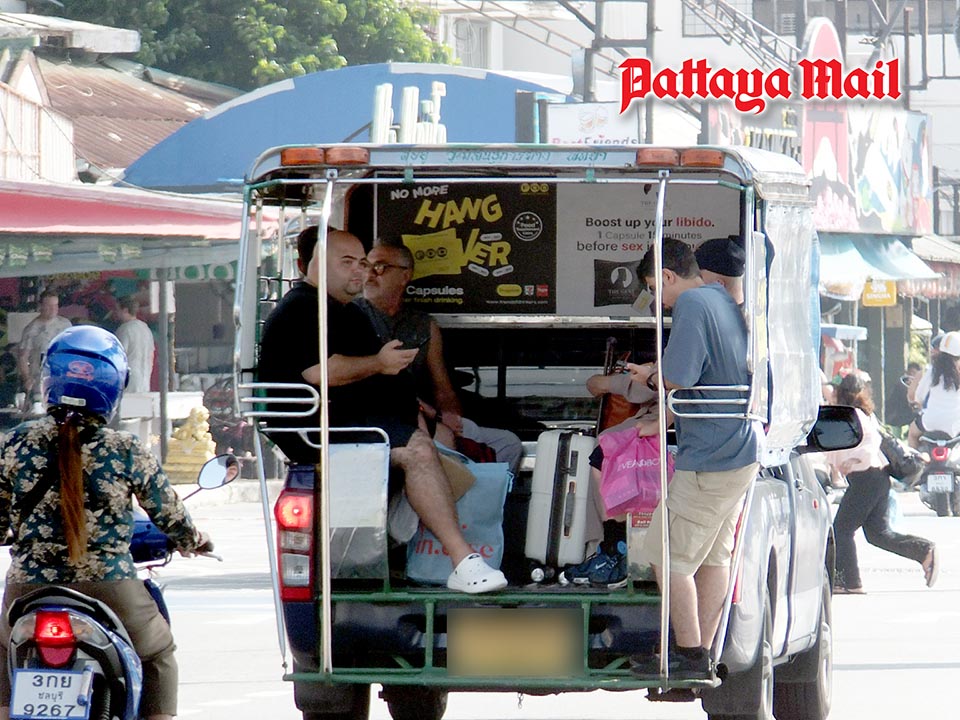
Vendors along Beach Road say the same thing: tourists are still coming, but they are buying less. A German long-term visitor summed up the mood bluntly last week: “It’s not the women or their smiles anymore—it’s the exchange rate that decides whether I stay or go.”
Pattaya’s economy is uniquely vulnerable to currency swings. Unlike Bangkok, which benefits from diversified business sectors, or Phuket, which caters to high-spending short-term tourists, Pattaya relies heavily on longer stays and repeat visitors—precisely the groups most sensitive to exchange rates. When the baht strengthens just a bit, their daily budgets weaken a lot.
The irony is hard to miss: Thailand celebrates tourist arrival numbers, yet the very people staying the longest and spending the most are feeling squeezed out. Inflation, higher service charges, and the persistent dual-pricing perception only add to the sense that Pattaya is becoming less value-for-money than it once was.
With the baht now moving in a narrow but firming range of 31.65–31.85 per dollar, businesses privately worry that the high season might not deliver the windfall they were counting on. A bartender in Soi Buakhao put it simply: “People still drink. Just fewer cocktails and more questions about prices.”
If the baht keeps its upward momentum, Pattaya could find itself facing a paradox—full beaches, busy streets, and an economy that still feels like it’s running on half power. The city needs visitors who don’t just arrive, but spend. And right now, the strong baht is making sure they spend less than ever.