Wine with the Veggies
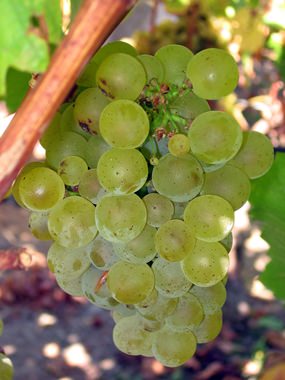
Sauvignon grapes on the vine.
If you happen to be
vegetarian, wine could present a problem. Most people don’t realise that wines
are usually made using animal-derived products. To clean the newly-made wine and
remove cloudiness and small particles, a process called “fining” is used. This
involves passing the wine though fining agents which might include gelatin (a
protein made from boiling animal parts), isinglass (a substance made from dried
fish bladders), chitosan (made from crustacean shells), casein (a protein found
in milk) or egg albumen.
Much of this of course, is
bad news for vegetarian wine drinkers and even worse news for vegans. Although
there are alternative fining agents including carbon, Bentonite clay, limestone
and silica gel, wine-makers rarely tell you what agents are used, so there’s
usually no way of knowing. The freshly pressed grape juice is invariably
contaminated with a variety of entrapped or liquefied insects, and for this
reason it would be extremely difficult to produce a totally vegetarian or vegan
wine.
So, if I haven’t managed
to put you off already, what’s tonight - red or white? And how do you match
wines with vegetable dishes if you’re planning something special? At the risk of
over-simplifying things, I’d suggest that with vegetarian food there are just
two basic issues to consider, the “weight” of the food and the strength of its
flavour. By weight, I mean the contrast between - for example - a light salad
and a rich mushroom and vegetable stew in pastry. Vegetables on their own are
light in weight and would be best accompanied by a dry white or even a dry rosé.
But if you enjoy reds, you’ll have to find ways of increasing the weight if you
want an attractive pairing.
Sauces can make a huge
difference. For example, steamed broccoli or asparagus by itself is about as
light as you can get, but add a rich palate-coating cheese sauce and you have
something that can stand up to heavier wines. You can also make a dish heavier
by adding wine-friendly ingredients such as beans, lentils, tomato sauces and
aubergines (At this point, my ever-helpful spelling checker suggested
“aborigines”). Another approach is to make your basic vegetables into a gratin
with a crispy topping, adding almonds, hazelnuts or sweet vegetables like
potatoes or roast red peppers, giving the food enough weight to match a red
wine.
Then there’s flavour. A
delicate wine will taste like water if you drink it with a spicy curry. In the
same way, a big red will completely overpower an omelette. You can bump up the
flavour of some bland dishes by adding spices such as cinnamon or nutmeg, grill
or roast to produce richer flavours and use mushrooms, cheese or soy sauce.
Spicy vegetarian dishes and curries tend to work best with fairly substantial
off-dry wines. Many wine writers suggest Riesling or Gewürztraminer but both are
expensive and very difficult to find in Thailand, so local Chenin Blanc could
make a good alternative. Sweetness tends to temper the heat in fiery curries, so
an off-dry white wine will subdue the heat and bring out the other flavours.
White wines (and some
light-bodied reds) go well with vegetables in butter or cream sauces, peanut
sauce, and yellow coconut curry. Fuller-bodied reds work well with tomato-based
or chili-based sauces and Mexican-style food. Earthy mushrooms match Pinot Noir
or Valpolicella. Tomatoes love Sangiovese, so a glass or two of Chianti is ideal
with tomato-based pizza and pasta, especially if you use mushrooms and cheese to
add a bit of richness and fat.
Terra Sur
Sauvignon Blanc 2013 (white), Chile (Tesco-Lotus, Bt. 599)
Sauvignon Blanc’s acidity
can make a good match for a wide range of cooking methods. It also works well
with many raw dishes and salads. The herbal, grassy flavours of Sauvignon Blanc
go naturally with leafy greens, raw tomatoes and Brussels sprouts. I read
somewhere that Sherry makes a good partner for sprouts, which can be difficult
to match with wine.
Terra Sur
means “Land of the South” and the Sauvignons from Chile tend to be lighter,
fruitier and less acidic than their French cousins. Both these wines are widely
available and you might even find them a bit cheaper at some outlets. This one
is a pale gold, with a splendid rich aroma of gooseberries, citrus fruits,
spring-like grassiness and hints of fresh herbs. It’s a lovely light, dry wine
with an attractive prickly sensation on the palate and there’s also a dash of
citrus and a pleasing bite of mild acidity. The gooseberries are out in force on
the palate and the citrusy finish seems to go on and on. This is a very
well-crafted and refreshing young wine. At just 12.5% alcohol content it’s a
lively easy-drinker that would also make a terrific apéritif.
Terra Sur
Merlot 2012 (red),
Chile (Tesco-Lotus, Bt. 599)
Rich vegetarian dishes go
well with medium red wines with soft tannins, like a Merlot. This one is a very
dark red, almost crimson colour. There’s an intriguing brambly and earthy aroma
of spicy fruit, blackcurrants and dark plums. You might even pick up faint hints
of minty chocolate way in the background. The aroma kept me occupied for several
minutes, because it was so interesting. And I hope you always get your nose to
work before you start drinking. It’s amazing the number of people who just don’t
bother.
The wine is very dry and
quite full-bodied, with an attractive velvety mouth-feel and satisfying tannins.
It’s packed with damsons and plums and there’s a pleasing touch of woodiness
with a long tangy finish. There’s rather an attractive edge to the taste too,
which gives the wine a touch of assertiveness despite its soft mouth-feel.
This really is a splendid
wine. Like many reds, it will probably show at its best with food. It would make
an excellent partner for rich mushroom and cheese dishes and would almost
certainly work well with tomato-based pasta too, if you discover that the dogs
have finished off the Chianti.