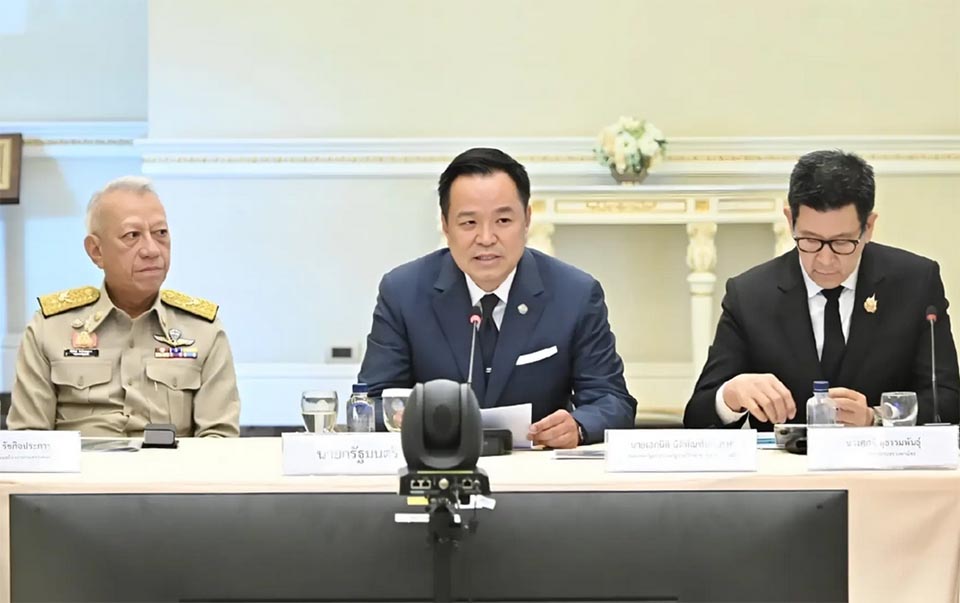
BANGKOK, Thailand – The government has outlined a comprehensive response to potential economic impacts stemming from tensions in the Middle East, stating that Thailand remains financially stable and prepared for possible disruptions. Deputy Prime Minister and Finance Minister Ekniti Nitithanprapas said direct effects on the Thai economy are limited, as exports to and tourist arrivals from the region account for about 4 percent of the total.
In the energy sector, global price volatility has led to increases of about 4 to 5 percent, amid continued excess supply in the world market. The Oil Fuel Fund holds a positive balance and is ready to help stabilize domestic fuel prices. Thailand also maintains strategic oil reserves sufficient for approximately 60 days of consumption.
Relevant agencies have been instructed to monitor the safety of Thai workers in affected areas and to coordinate with the private sector over potential increases in shipping costs. Financial and capital markets remain resilient, supported by nearly 300 billion US dollars in international reserves. The stock market index has edged down about 2 percent, while the recent depreciation of the baht has eased earlier pressure from currency appreciation.
The National Economic and Social Development Council has assessed that even if tensions continue for up to one month, the impacts would remain manageable. The government also sees shifting geopolitical conditions as an opportunity to attract investment in tourism, healthcare, and food security. Agencies have been directed to accelerate investment facilitation through the Board of Investment’s Fast Pass mechanism to support sustainable long-term growth. (NNT)