BANGKOK, Thailand – Thailand has lifted its temporary cap on diesel and gasohol prices while extending price controls on cooking gas for another three months, as rising global oil prices driven by escalating conflict in the Middle East increase pressure on domestic energy costs. The Energy Policy Administration Committee (EPAC), chaired by Energy Minister Akanat Promphan, voted on July 15 to revoke its July 7 resolution that had capped retail diesel and gasohol prices at no more than 35 baht per litre. The decision took effect on July 16.
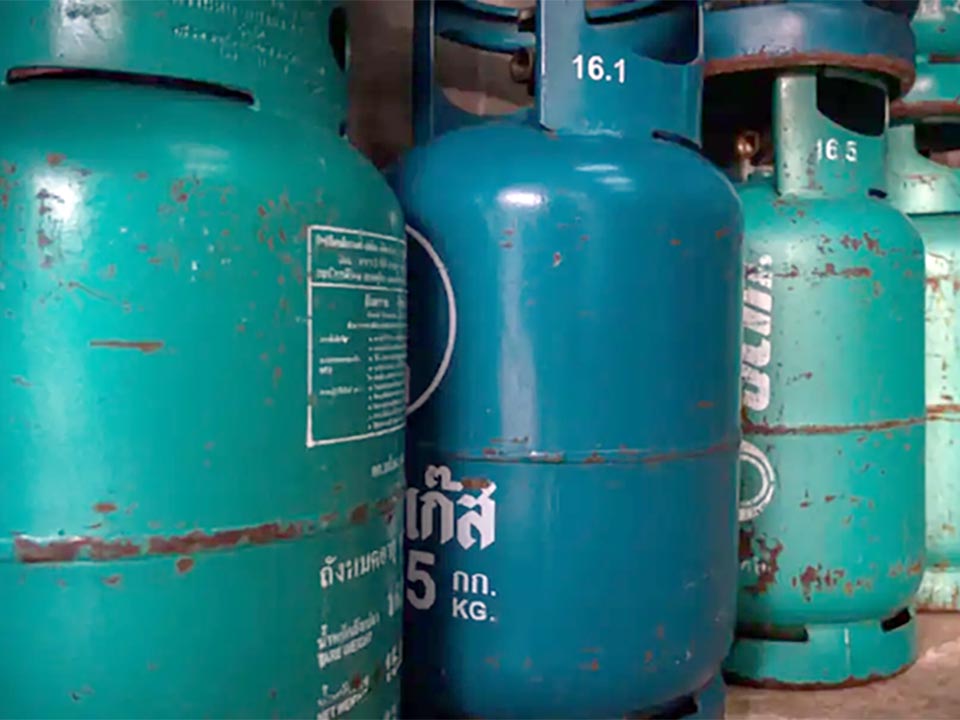
The committee also agreed to extend the price freeze on liquefied petroleum gas (LPG) until Oct. 31, 2026, keeping the refinery wholesale price at 20.9179 baht per kilogram. Retail LPG prices will remain at around 423 baht for a 15-kilogram cylinder to help ease household living costs.
Future adjustments to fuel prices will now be determined by the Oil Fuel Fund Management Committee, which may increase subsidies to prevent retail price hikes despite mounting financial pressure on the fund.
On July 17, the committee reduced contributions to the Oil Fuel Fund and increased fuel subsidies, a move estimated to cost about 600 million baht per day. The fund is already carrying a deficit of more than 59 billion baht after supporting both fuel and LPG prices. Subsidies for diesel B7, B20, gasohol 95, gasohol 91, E20 and E85 were all increased, while contributions on gasoline were reduced to cushion consumers from rising global crude prices.
The government is also considering a fifth round of refinery contribution measures to help stabilize fuel prices, despite opposition from refinery operators who argue that Thailand is not facing a fuel shortage. Global oil prices surged after renewed military escalation between the United States and Iran. Singapore diesel prices jumped nearly US$5 per barrel, while benchmark crude prices also climbed sharply following attacks on energy and infrastructure targets across the Middle East. (TNA)