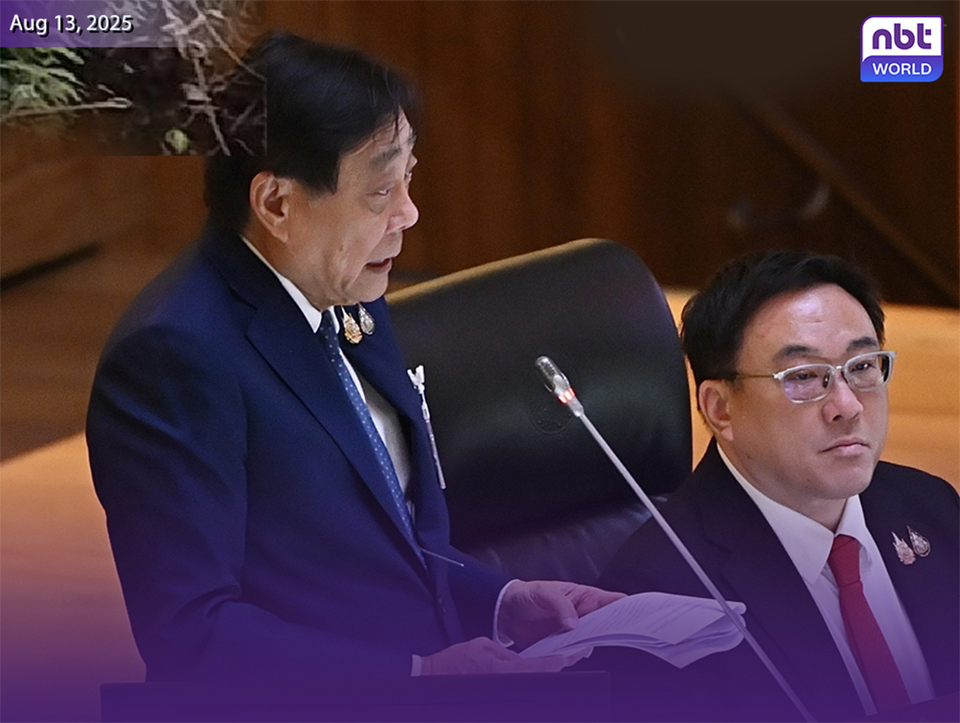
BANGKOK, Thailand – Deputy Prime Minister and Finance Minister Pichai Chunhavajira, serving as Chair of the Special Budgetary Committee, has outlined adjustments to the national budget that reduced planned spending by 8.92 billion baht. The review assessed alignment with government policies, the National Strategy, the National Economic and Social Development Plan, and the Sustainable Development Goals. Considerations also included the nation’s fiscal stability, the readiness of budget-receiving agencies, and the need to address urgent public demands.
The changes were intended to ensure funds are allocated where they deliver the greatest public benefit while maintaining good governance, integrity, transparency, and fairness. Pichai said efficiency and accountability guided the process, with every allocation decision made in the public interest and with long-term stability in mind.
The Deputy Prime Minister cautioned that Thailand’s economy in fiscal year 2026 may slow more than expected. In response, budget priorities will address trade barriers without undermining fiscal health, support province-specific solutions tailored to local needs, and encourage public participation to make spending more inclusive and effective.
Reductions applied to every ministry and agency were based on relevance to current conditions, measurable performance, cost-effectiveness, and spending efficiency. Programs with slower-than-planned implementation faced cuts, but essential public services were safeguarded. Savings were redirected to high-need areas, including boosting the central budget for emergency and urgent expenditures.
Pichai underscored that the final allocation plan balances fiscal discipline with national priorities, noting that the adjustments strengthen financial stability while directing resources toward the most pressing needs within the country. (NNT)