BANGKOK, Thailand – The Thai government is assembling a trade negotiation team in response to the global trade war’s impact on the country’s private sector and businesses following the policy shifts under U.S. President Donald Trump’s second term.
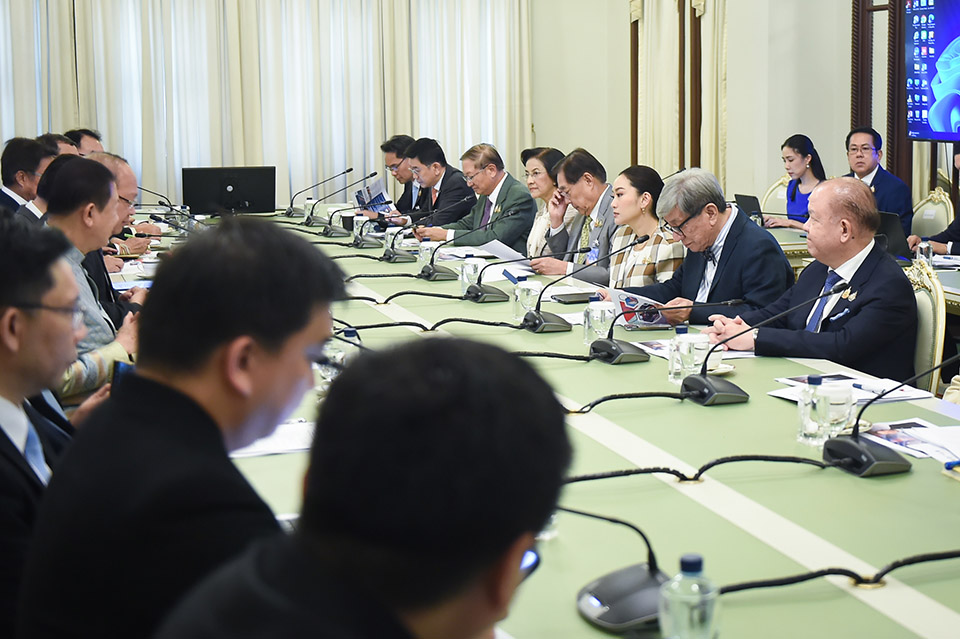
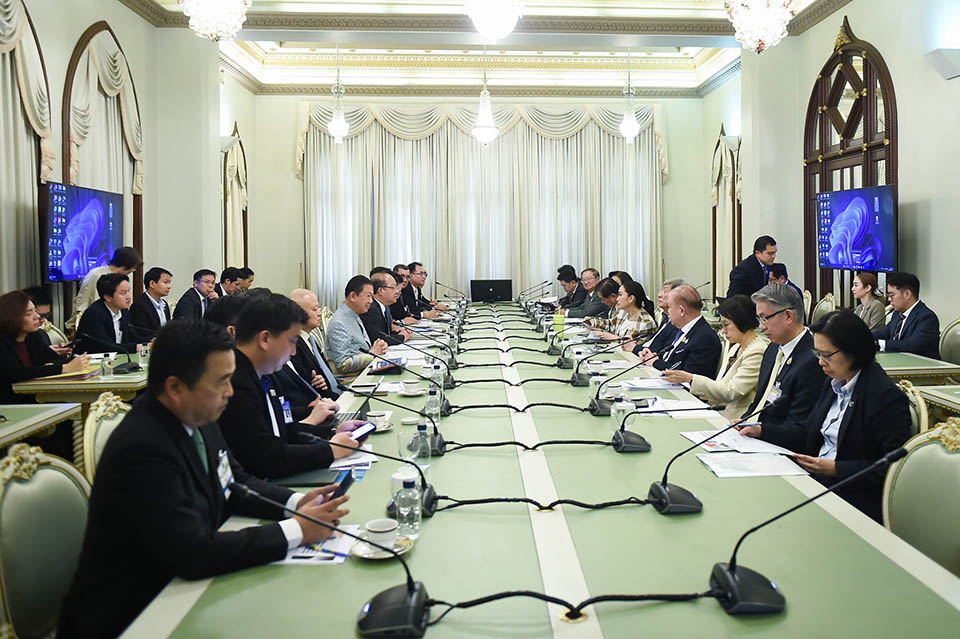
The Joint Standing Committee on Commerce, Industry, and Banking (JSCCIB)—comprising the Thai Chamber of Commerce, the Federation of Thai Industries, and the Thai Bankers’ Association—met with Prime Minister Paetongtarn Shinawatra at the Thai Khu Fah Building in Government House to discuss measures to mitigate the effects of Trump’s renewed trade policies.
The prime minister revealed that the government has been monitoring U.S. trade policies since late last year. On January 6, a special task force was established, consisting of the Permanent Secretaries of the Ministry of Commerce and the Ministry of Foreign Affairs, along with other relevant agencies, to closely track developments.
She stated that the government is currently considering negotiation strategies with the U.S., but details cannot yet be disclosed to the media. Whether she will personally lead the negotiation team remains undecided, as discussions with the private sector are still ongoing. However, she emphasized the need for a flexible and swift negotiation approach.
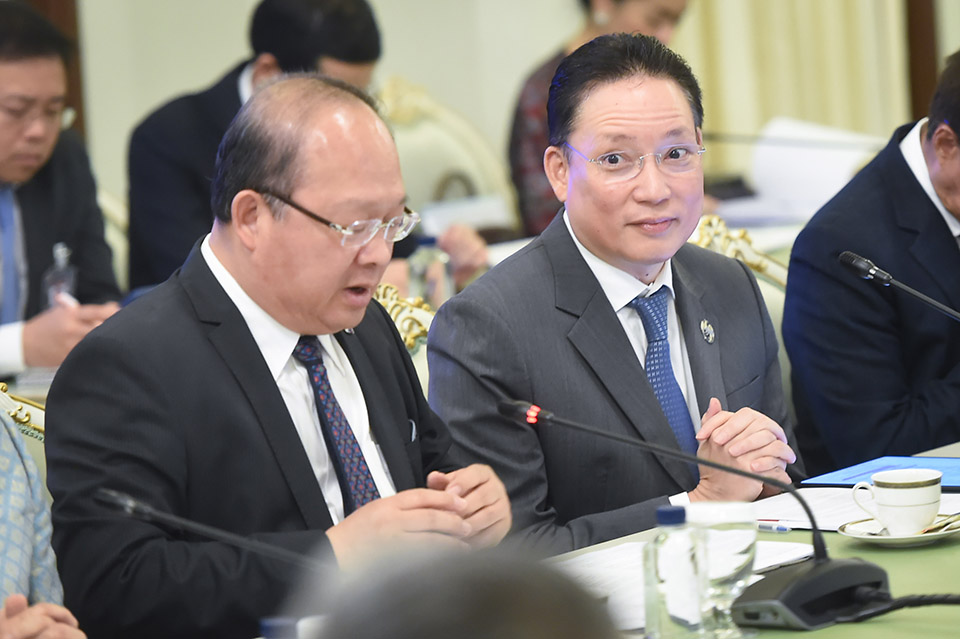
Kriengkrai Thiennukul, Chairman of the Federation of Thai Industries, said that the meeting aimed to present private sector concerns as U.S. trade policies are already affecting Thailand’s economy. He noted that the rapidly shifting global economy is directly impacting Thai industries and businesses in trade, investment, and currency exchange, making close public-private cooperation essential.
Key concerns surrounding the “Trump 2.0” trade policies include:
Increased import tariffs on key trade partners, particularly China, which could disrupt global supply chains affecting Thailand.
Reassessment of international trade agreements, potentially leading to renegotiations with key partners, including Thailand.
The “America First” policy, which prioritizes domestic manufacturing and may influence production shifts and foreign investment.
As uncertainty looms over global financial and trade markets, Thai businesses remain vigilant and are preparing strategies to adapt to potential disruptions.