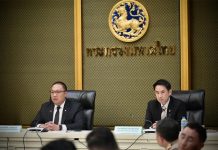
BANGKOK, Thailand – The Ministry of Public Health has increased surveillance for the Nipah virus and confirmed that Thailand remains safe while emphasizing the need for strict screening measures, as there is currently no vaccine or specific antiviral treatment.
Deputy Permanent Secretary and Ministry Spokesperson Ekachai Piensriwatchara stated that the Nipah virus situation does not currently constitute a Public Health Emergency of International Concern. He also confirmed that Thailand has strengthened monitoring at international disease control checkpoints.
Nipah virus was first identified about 27 to 28 years ago in Malaysia. It is a zoonotic disease transmitted from animals to humans, with fruit bats as the main reservoir. The disease is severe, with a fatality rate estimated at 40 to 70 percent, which is higher than that of COVID-19. Early symptoms resemble influenza, such as fever, headache, muscle aches, and sore throat. Severe cases may progress to acute encephalitis, loss of coordination, drowsiness, or pneumonia that can lead to respiratory failure.
Due to the lack of vaccines and antiviral drugs, the Ministry of Public Health, through the Department of Disease Control, has implemented strict preventive measures. These include enhanced screening of travelers from West Bengal at Suvarnabhumi and Don Mueang Airports, distribution of Health Beware Cards, and instructions for travelers to seek immediate medical attention if symptoms develop within 21 days of arrival. Isolation rooms and referral systems are available for suspected cases.
The Ministry has issued guidance for Thai nationals traveling to affected areas. Travelers should avoid contact with animals, especially bats, pigs, and wildlife. Nipah virus is not easily transmitted through the air, unlike COVID-19, but it spreads mainly through direct contact with bodily fluids, such as saliva, blood, or urine, from infected animals or people. Preventive measures include wearing face masks in crowded areas and frequent handwashing with soap or alcohol-based sanitizer.
Anyone experiencing fever, headache, or unusual symptoms should contact the Department of Disease Control hotline at 1420 immediately. (NNT)