BANGKOK, Thailand – The Federation of Thai Industries (FTI) views the four-month term of Prime Minister Anutin Charnvirakul’s caretaker government as an opportunity to restore economic confidence and create a positive environment for a future administration. However, the organization cautions that the short time frame presents significant challenges. The private sector is ready to fully support and cooperate with the government, urging the appointment of capable, knowledgeable, and decisive officials.
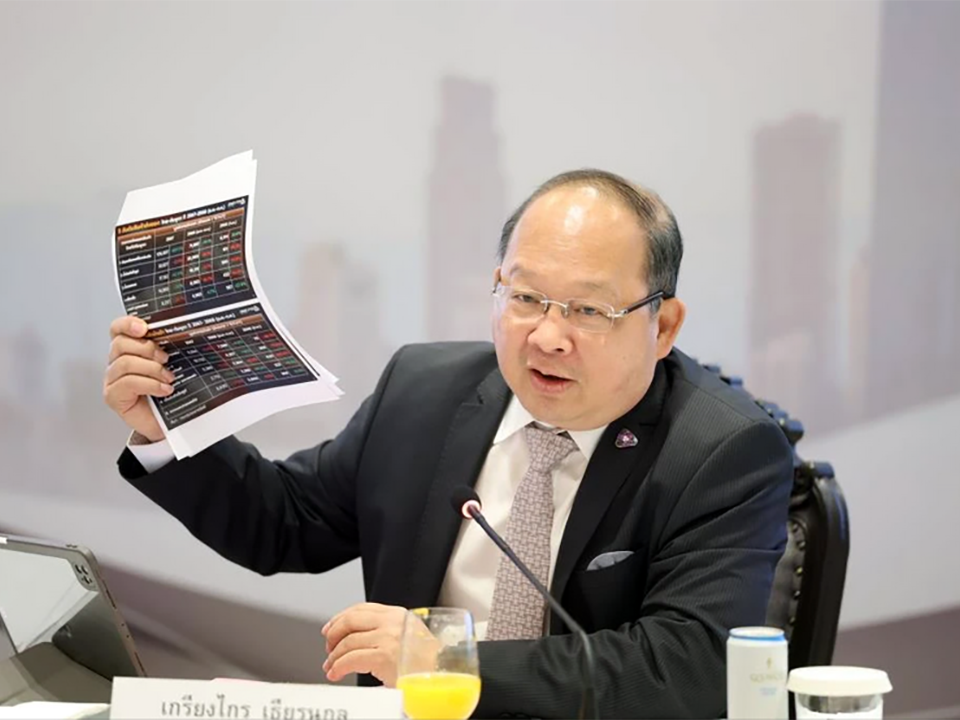
Mr. Kriangkrai Thiannukul, Chairman of FTI, commented on the selection of Anutin as Thailand’s 32nd Prime Minister, saying, “First, we congratulate Prime Minister Anutin Charnvirakul on his appointment and welcome the clarity this brings to Thailand’s leadership, which will help build investor and business confidence after a period of political uncertainty.”
He emphasized the importance of appointing qualified and decisive personnel, particularly in key economic ministries such as Finance, Commerce, and Industry, as a signal to both domestic and international investors. Even within a short tenure, the government should act immediately and decisively.
Recognizing that four months is too brief to implement long-term structural reforms—such as tax system adjustments, workforce development, and energy strategy planning—FTI suggests the government focus on immediate measures to relieve urgent economic issues and foster a positive business environment.
FTI’s proposed urgent measures include:
-Easing the cost of living and energy expenses affecting citizens and businesses.
-Supporting SMEs with liquidity injections, tax reductions, and non-performing loan solutions.
-Accelerating international trade negotiations, particularly with the U.S. and other key markets, to avoid disruptions caused by the political transition.
-Modernizing the business and tax system to reduce redundancy and enhance the investment climate.
Mr. Kriangkrai noted that political uncertainty remains a major obstacle to investment decisions. Many businesses and government agencies are in a “wait-and-see” mode, resulting in only about 50% of the 2025 budget being disbursed, which slows economic circulation.
“If the government fails to implement measures clearly, international trade negotiations may stall, and new investments could be delayed—posing a major challenge during this four-month period. Nevertheless, even within this limited time, it is crucial to stimulate the economy and create a positive atmosphere for the next permanent government. The private sector stands ready to support and cooperate fully to ensure these measures deliver real results,” he said.