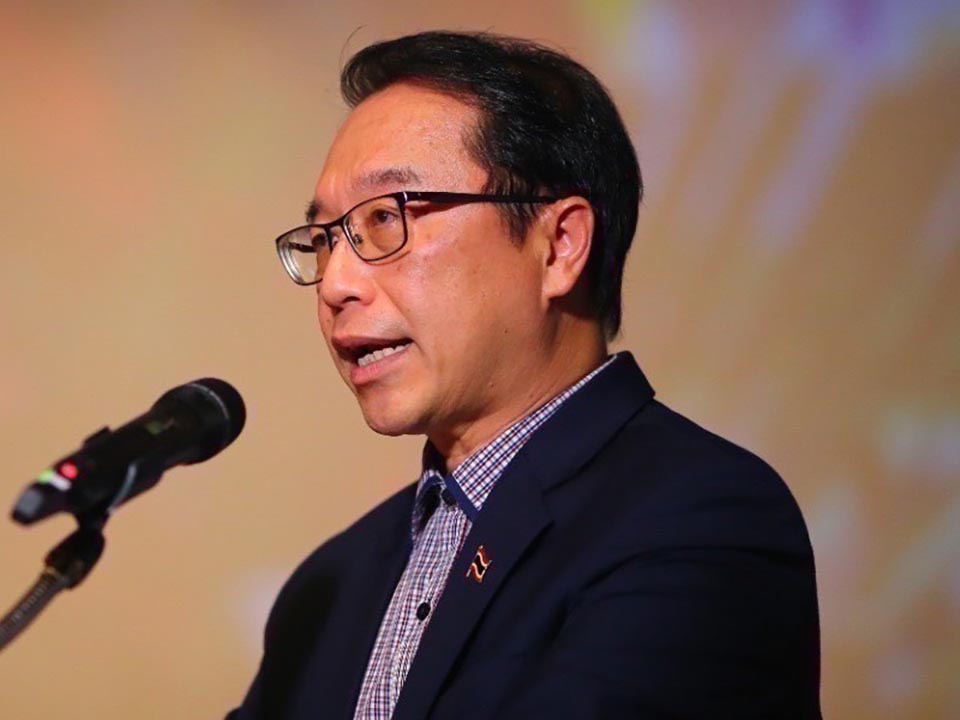
BANGKOK, Thailand – Academics from the University of the Thai Chamber of Commerce have warned that extending the retirement age for civil servants will not address the country’s aging society, and could strain government finances.
Assoc. Prof. Dr. Anusorn Thammajai, Dean of the Faculty of Economics and Director of the Digital Economy, Investment, and International Trade Research Center (DEIIT), said Thailand’s global competitiveness ranking continues to decline if public sector efficiency reforms are not accelerated. The latest IMD report for 2025 shows government efficiency has fallen to its lowest point in a decade, citing excessive licensing steps, outdated and overlapping laws, and high discretionary powers among officials that increase corruption risks.
Dr. Anusorn proposed six measures to improve government efficiency:
- Reduce unnecessary steps and licenses, streamline overlapping agencies, and design citizen-centered services.
- Increase flexibility in approvals, incorporate public feedback, and continuously improve services.
- Decentralize management, finances, and budget authority.
- Implement a Digital Government Platform consolidating e-Government, e-Payment, and e-Procurement services to increase transparency and reduce corruption.
- Use Big Data and AI to analyze information and align policies with public needs.
- Minimize patronage in the civil service and create opportunities for competent, ethical individuals to rise to key positions.
Dr. Anusorn emphasized that extending retirement age across the civil service does not address labor shortages caused by an aging society, as most workforce declines occur outside the public sector. At the same time, thousands of young people are waiting to enter government jobs, and extending retirement will block their entry and create additional bottlenecks. He also noted that rising salaries for older civil servants would strain government finances.
Additionally, Dr. Anusorn highlighted the impact of the prolonged U.S. government shutdown, which has pressured the U.S. dollar, affected consumer confidence, and created uncertainty in interest rate trends. He noted that the aviation and tourism sectors are already experiencing disruptions, with numerous flight cancellations and delays in major construction projects. (TNA)