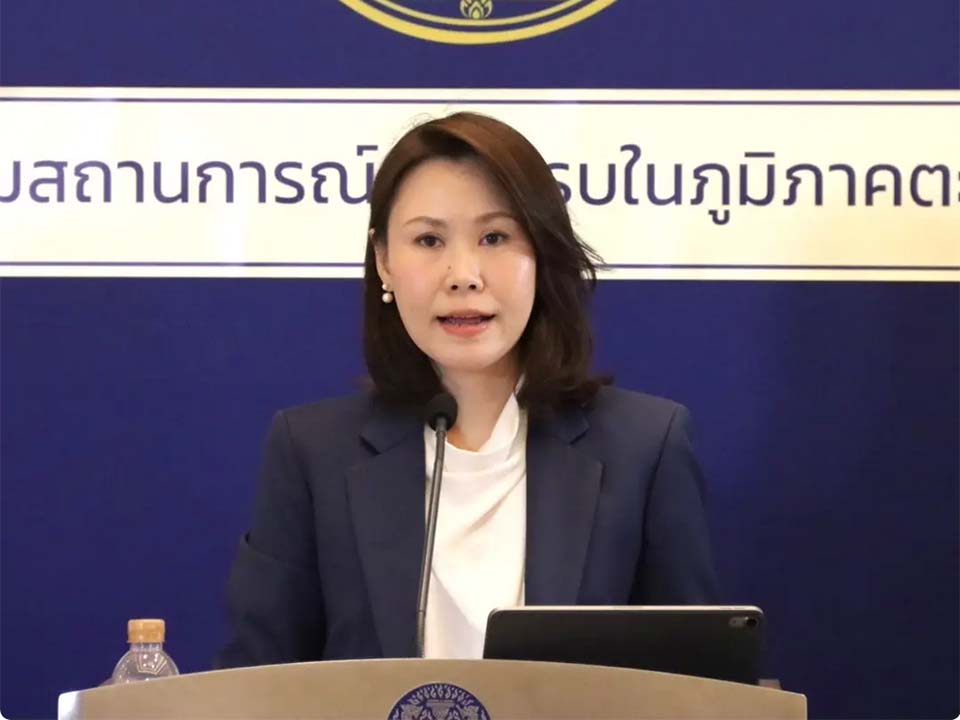
BANGKOK, Thailand – The Joint Management and Monitoring Center for the Situation in the Middle East has reported that tensions in the region remain high, with increasing risks to global energy supply and major shipping routes. Spokesperson Nuttaa Mahattana, joined by Deputy Permanent Secretary for Energy Veerapat Kiatfuengfoo and Pornchai Chirakulpaisan, director of the Policy and Planning Office at the Oil Fuel Fund Office, outlined the government’s response, including adjustments to communication and closer coordination among agencies to address the prolonged crisis.

Officials said disruptions at key chokepoints, including the Strait of Hormuz and parts of the Red Sea, are adding pressure on oil supply. The Ministry of Energy has outlined three scenarios ranging from limited disruption to a full supply cutoff, with the current situation assessed at a mid-level risk that is trending higher. Refineries are operating above normal capacity, biofuel blending has been increased, and fuel exports have been restricted to essential needs.
Authorities are also preparing contingency plans in case conditions worsen, including possible fuel rationing and prioritization for essential services. Steps are being taken to manage supply constraints while efforts continue to secure alternative crude sources.
Domestically, measures are being expanded to address rising living costs. The Ministry of Commerce is monitoring prices, enforcing controls on key goods, and launching the “Thais Help Thais” program with major retailers to offer discounts on essential items.
Officials said support for Thai nationals affected by the conflict continues, while new communication channels have been introduced to provide clearer, more accessible updates through a centralized information platform. (NNT)