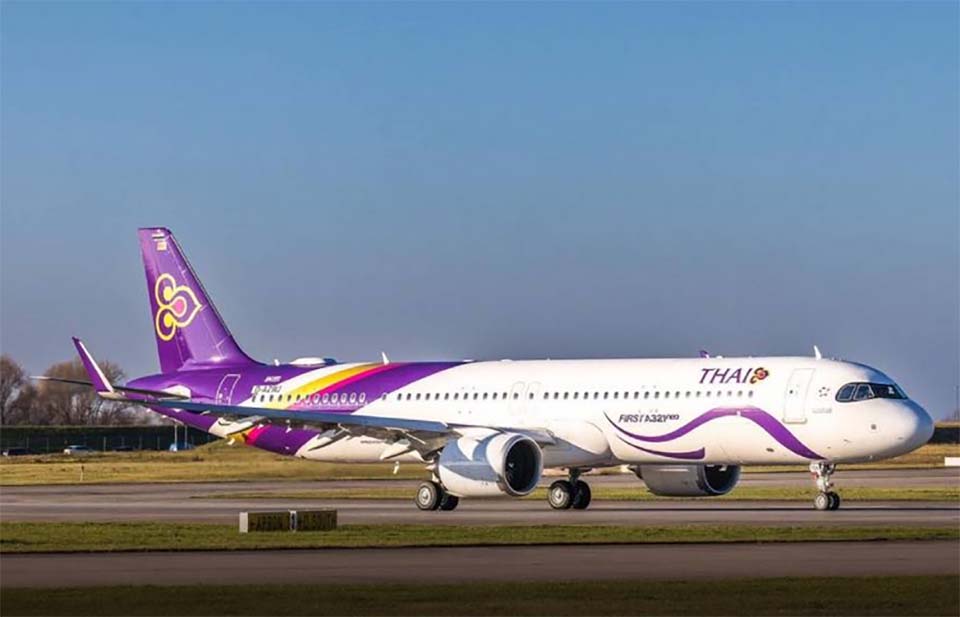
BANGKOK, Thailand – Thai Airways International has confirmed the temporary reduction of 46 flights in May 2026, citing soaring fuel costs and weakening travel demand, while stressing that no routes have been permanently cancelled.
Chief Executive Officer Chai Eamsiri said the adjustments affect both domestic and international services, including routes to Singapore, Japan, and India, as well as domestic destinations such as Udon Thani and Khon Kaen. He emphasized the move is a short-term operational adjustment rather than a withdrawal from any market.
“The company continues to operate across all routes, with flights still available for passengers,” Chai said.
The decision comes as travelers delay bookings amid economic uncertainty and rising living costs, leading to lower load factors on some flights—particularly close to departure dates. In response, Thai Airways is optimizing its schedule by consolidating flights and reducing frequencies where necessary, while maintaining overall connectivity.
Chai explained that the airline prioritizes efficiency alongside passenger convenience. Initial measures include deploying smaller aircraft to better match demand, followed by frequency adjustments—such as reducing daily flights to five times a week. Flight suspensions are considered only as a last resort and would be temporary.
The May cuts represent about 4–5% of the airline’s total flight schedule and are part of a short-term strategy. Thai Airways has also established a “war room” to monitor demand and market conditions on a daily basis, allowing rapid adjustments. The airline said it is ready to restore full services when demand rebounds, particularly during the high season.
Fuel prices remain a key pressure point. Jet fuel costs rose sharply from around $90 per barrel before the end of February to a peak of approximately $240 per barrel—nearly tripling—before easing slightly but still remaining at roughly double previous levels. This has forced airlines to tightly manage costs and adjust ticket prices, while balancing affordability for passengers.
To offset weaker passenger revenue, Thai Airways is increasing its focus on cargo operations. Reduced passenger loads free up belly cargo space, creating opportunities to transport high-value goods and medical supplies, which continue to see steady demand.
Despite the current challenges, the airline confirmed it will proceed with its aircraft procurement plans as scheduled, maintaining long-term investment to ensure sustainable growth rather than focusing solely on short-term fixes. (TNA)