PATTAYA, Thailand – Thailand is once again confronting an uncomfortable truth: its reputation for hospitality and safety is being undermined not by crime on the streets, but by the very people meant to uphold the law.
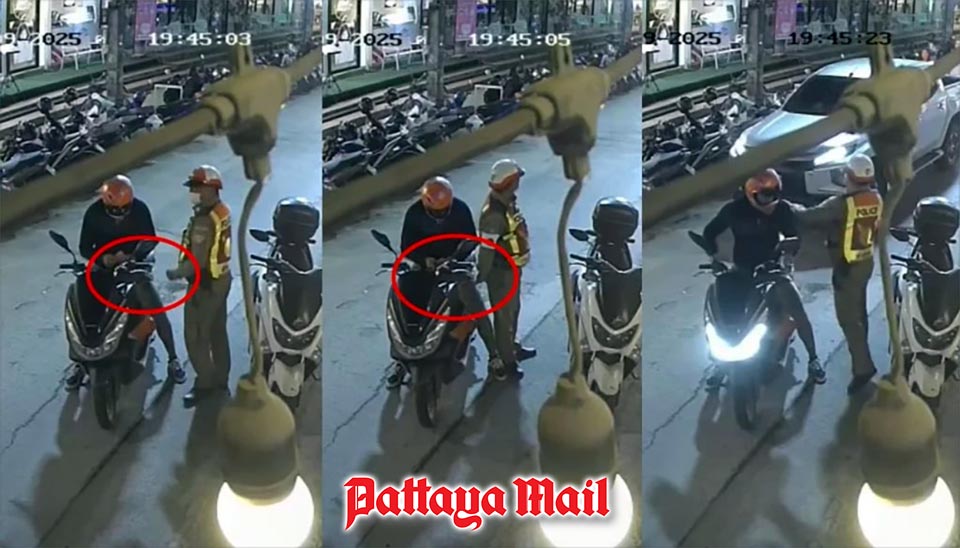
The latest scandal comes from Chiang Mai, where a viral video shared widely on social media showed a traffic officer allegedly taking cash from a motorcyclist—identified by locals as a foreign tourist—near the Night Bazaar. The clip, which shows the officer reaching behind his back to receive what appears to be a folded banknote, sparked outrage online. After the handoff, the officer casually patted the tourist’s arm in a show of misplaced familiarity before allowing him to ride off.
The police force responded quickly. Pol. Col. Jen Sopha, head of Chiang Mai’s traffic division, suspended the officer in question and launched an inquiry. He vowed that if wrongdoing is confirmed, there will be “decisive punishment” with no protection from higher-ups. But the damage is already done.
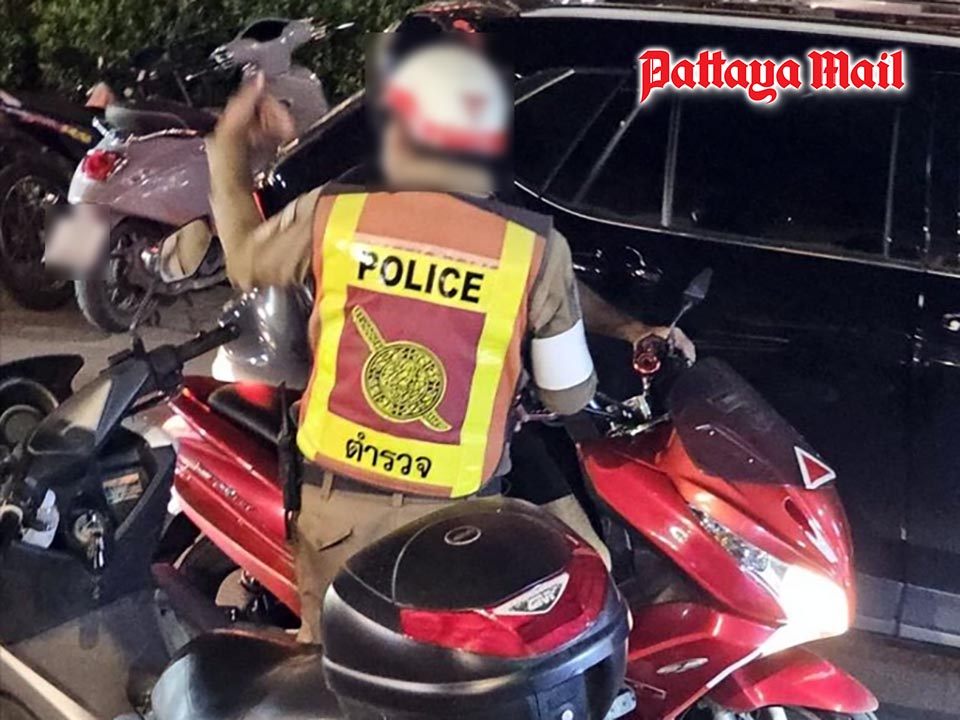
For international visitors, the incident reinforces a narrative that is difficult for Thailand to shake: bribery and unofficial “on-the-spot fines” are not isolated lapses but part of a pattern. The Chiang Mai case may have been captured on camera, but countless foreign residents and tourists—especially in Pattaya—will quietly confirm that similar encounters happen daily. A motorbike without the right license plate, an expired rental helmet, a missed turn at a red light, or even carrying a legit driving permit that somehow “isn’t good enough” — suddenly a tourist finds themselves negotiating with the very officers sworn to enforce the rules.
This is more than a matter of embarrassment. With Thailand competing against Vietnam, Malaysia, and even Indonesia for high-spending visitors and long-term residents, issues of trust and fairness weigh heavily. A retiree in Pattaya might accept paying more for electricity or dual-pricing at attractions, but being shaken down on the roadside leaves a bitter aftertaste that no beach bar or festival can erase.
Tourism authorities tirelessly promote Thailand as a safe, world-class destination, but incidents like this are amplified across social media platforms in real time. In an era when one TikTok clip can reach millions, every bribe or shady roadside deal becomes a reputational landmine.
The Chiang Mai police chief’s warning that the video has already “seriously damaged the image of the force” is telling. But the truth is larger than the image of one provincial unit—it chips away at the global image of Thailand itself. And when visitors begin to feel that they are walking ATMs for corrupt officials rather than valued guests, the country risks losing far more than face.