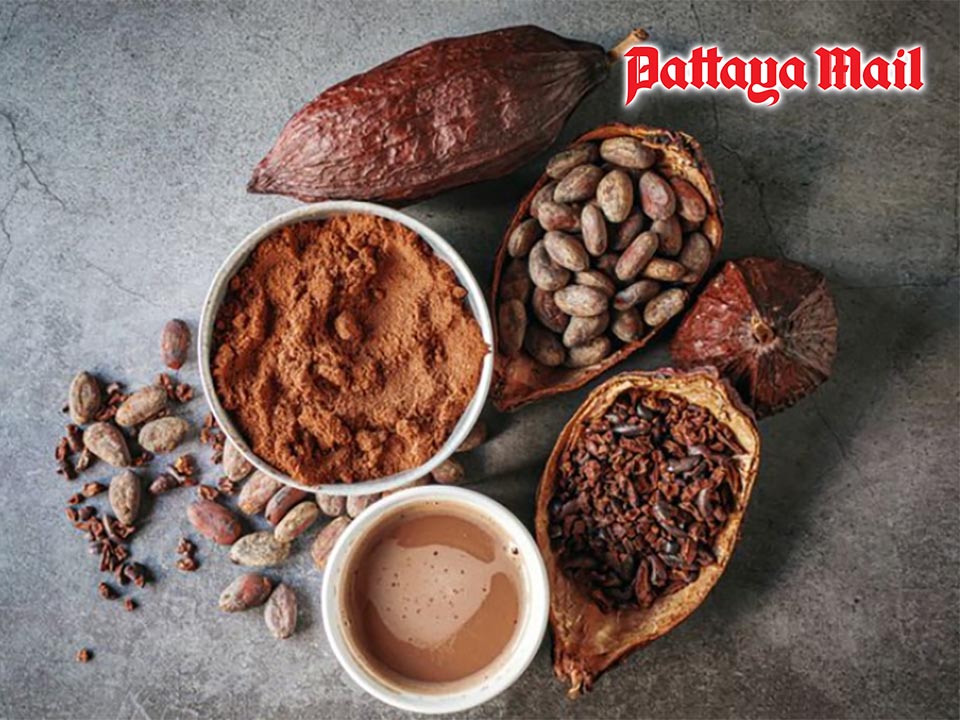
PATTAYA, Thailand – For centuries, cocoa has been considered a special ingredient, even earning the nickname “food of the gods.” Now, modern research is exploring whether compounds found in cocoa may also play a role in healthy ageing and protecting the body from age-related damage. A recent study published in the journal Aging found that people with higher blood levels of the cocoa compound theobromine had lower biological ages compared with their actual ages. Biological age reflects the condition and ageing process of cells in the body and is linked to the risk of developing diseases such as cancer and cardiovascular conditions. However, researchers noted that the findings show an association rather than proving that cocoa directly causes slower ageing, and more studies are needed.
Megan Wroe, a registered dietitian and wellness manager at Providence St. Jude Medical Center, said theobromine may help improve blood pressure and reduce inflammation, which could explain its possible connection with healthier ageing markers. Cocoa comes from the seeds of the cacao tree, scientifically known as Theobroma cacao, a name that means “food of the gods.” These cacao beans are processed through fermentation, drying and roasting before becoming cocoa products and chocolate. Dark chocolate, especially varieties with a high percentage of cocoa, contains several beneficial compounds including polyphenols and flavanols, which act as antioxidants. These compounds may help reduce inflammation, support heart health and protect cells from oxidative stress. Experts say dark chocolate contains significantly higher levels of these beneficial compounds than milk chocolate or white chocolate. Choosing dark chocolate with at least 70% cocoa is recommended for those looking to gain more nutritional benefits.
Beyond general health, researchers have also studied the potential relationship between dark chocolate and brain function. Antioxidants in cocoa may support blood flow to the brain, cognitive function and overall brain health. Some studies have linked high-cocoa dark chocolate with improved mood and possible benefits through the connection between the gut and brain. Jen Bruning, a Chicago-based dietitian and spokesperson for the Academy of Nutrition and Dietetics, said small amounts of dark chocolate can provide important antioxidants and support circulation, making it a possible addition to a healthy ageing lifestyle.
However, moderation remains important. Experts recommend around half an ounce to one ounce (about 14–28 grams) of dark chocolate as a reasonable serving. A 1-ounce portion of 85% dark chocolate contains around 170 calories and 14 grams of fat. Eating too much may contribute to excess calorie intake, digestive discomfort or replacing other nutritious foods in the diet. The healthiest approach is to enjoy dark chocolate as a small part of a balanced eating pattern rather than relying on it as a health solution. With its combination of flavour and beneficial compounds, cocoa may continue to attract attention as researchers explore its possible role in supporting long-term health.