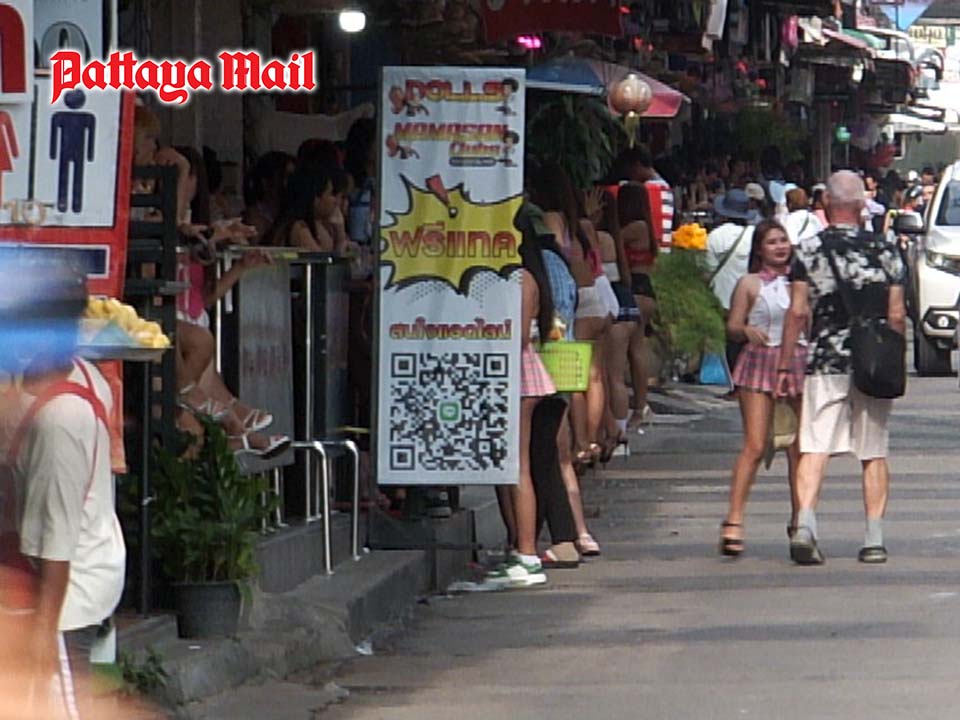
PATTAYA, Thailand – As the sun dips behind Pattaya’s skyline, the neon flickers on and the familiar sounds of nightlife awaken Soi 6. But beneath the surface of the street’s usual charm, a quiet frustration is brewing — and not just in the beer taps. The culprit? A tightening currency exchange rate that’s leaving both tourists and working women feeling short-changed.
“I used to get two or three drinks per guy. Now it’s one Chang, then goodnight,” says Bee, a 29-year-old bar worker, gesturing toward the nearly empty stools in front of her bar. “They say it’s not me, it’s the baht.”
And they may be right. The Thai baht, which briefly appreciated to its strongest level in more than seven months at 32.38 against the US dollar, has since weakened slightly but remains firm enough to dampen tourist spending. As of May 30, the baht ended at 32.84 to the dollar, compared to 32.58 just a week earlier.
For long-term visitors and short-term spenders alike, the once-affordable evenings in Pattaya’s entertainment zones have become a mental exercise in exchange rate math. The cost of a few rounds, some laughs, and a bit of company has quietly crept up — and the result is written in the dwindling bar tabs and shorter visits.
“The guys still come, but they don’t stay. They sip one beer, check the rate, and go somewhere cheap,” laments Fon, another Soi 6 worker. “It’s not the smiles or service anymore — it’s the dollar.”
Kasikorn Research Center forecasts that the baht will move within a range of 32.40–33.10 baht per US dollar this week (June 4–6). The currency’s trajectory will depend on a mix of domestic and global factors: Thailand’s May inflation data, foreign fund flows, gold prices, and U.S. economic indicators like nonfarm payrolls, ISM/PMI figures, and Fed commentary. International developments, such as U.S.–EU trade tensions and Chinese manufacturing data, will also play a role.
Last week, foreign investors sold off Thai stocks and bonds, with net outflows totaling more than 28 billion baht. This pressure, along with falling global gold prices, dragged the baht down from its recent peak. Yet, for those relying on nightlife spending in Pattaya, it’s not enough to bring relief — at least not yet.
In the face of tighter wallets and fewer generous tourists, some bar owners are reducing drink prices, while others are simply cutting shifts. A few have tried offering promotions — “Happy Hour, All Night” reads one banner — but the results are mixed.
As the week begins and the currency’s next move remains uncertain, the women of Soi 6 are left doing their own calculations. For them, economics isn’t just numbers in a research note — it’s measured in beers, tips, and whether a tourist stays past the first drink.