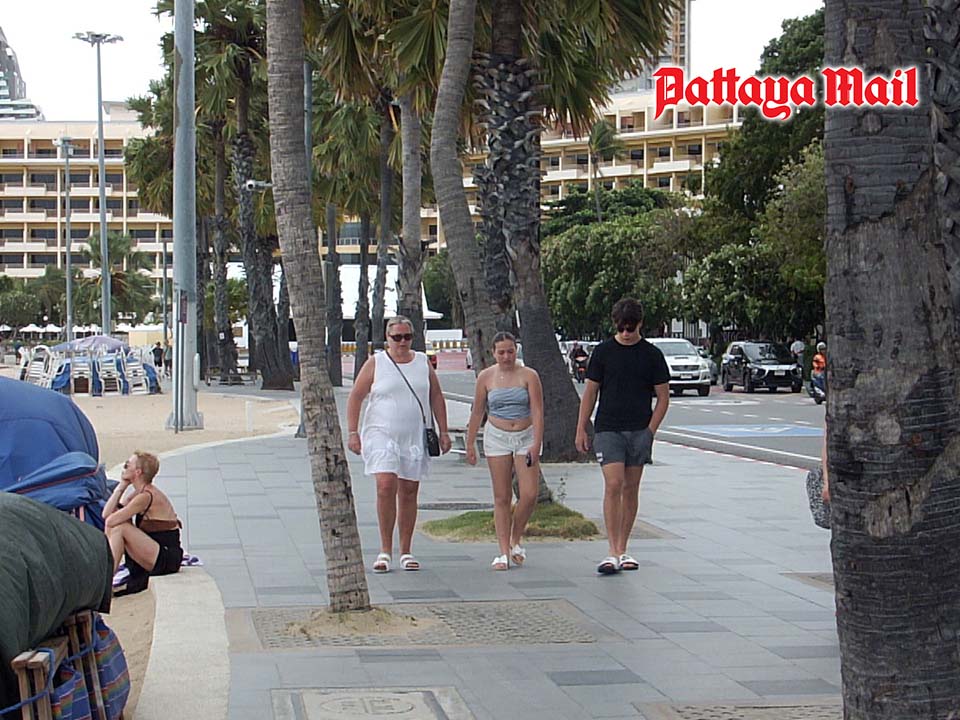
PATTAYA, Thailand – Pattaya’s recent move to ban beach chair rentals one Wednesday each month has stirred a range of opinions among foreign tourists and local vendors alike. The aim is to open up the popular shoreline, giving visitors more space and preventing monopolization of prime spots by chair operators. For some tourists, the change brings a refreshing sense of freedom and cleanliness, while others find it inconvenient and unnecessary.
“Everyone gets a speedboat to Koh Larn when Pattaya beach is shut,” one tourist joked, noting that vendors are benefiting since many visitors now hire boats to nearby islands. Another explained, “The beach isn’t closed — quite the opposite. Chair operators just aren’t allowed to monopolize the popular areas for one day, so all areas of the beach are free for anybody to use.”
However, not everyone is on board with the ongoing policy. Some visitors prefer the option of renting a chair for comfort. “I don’t understand why they do this. I’d prefer to go to the beach and have the option of renting a chair or sometimes just laying on the sand. There’s room for both — the beach is plenty big enough,” commented a regular beachgoer.
There are also those who welcomed the break from chairs. “I hate the chairs,” said one, while another pointed out, “Even with the chairs, the beach is still plentiful for people like yourself.” Several tourists clarified misconceptions about the frequency of the chair ban, noting it happens only on the second Wednesday of each month, and that similar measures have long been in place on nearby Jomtien Beach.
On the other hand, some expressed frustration, linking the ban to a wider trend of restrictions. “Beach without chairs, no smoking on the beach or sidewalk… Pattaya is doing everything to keep tourists away,” said a critical voice. Another harshly remarked on cleanliness concerns, stating, “After all, the beach is the hotel and toilet of choice for some visitors. Hence westerners don’t want to sunbathe on a beach full of garbage.”
Vendors, particularly chair operators, voiced worries over income losses during these days. “It’s simply another nonsensical law in Thailand,” one vendor lamented. “The losers are poor vendors who are already struggling with low tourism, but it doesn’t affect those who make these decisions.”
Suggestions for compromise also emerged. “How about sectioning off part of the beach for chairs? This all-or-nothing mentality doesn’t benefit anyone,” a tourist proposed.
Despite the divided opinions, the no-chair Wednesdays have created a calmer atmosphere on Pattaya Beach, at least temporarily, offering tourists a different way to experience the coast. Whether the policy will continue or evolve remains to be seen, but for now, the beach without chairs is certainly making waves — both positive and negative.