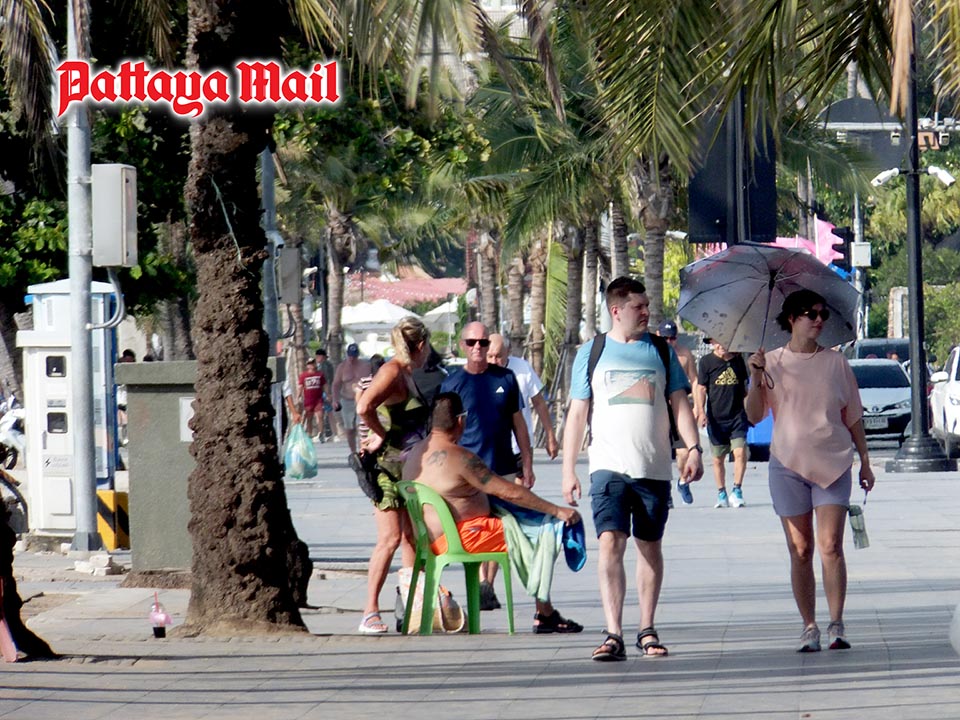
PATTAYA, Thailand – Pattaya is bustling. Streets are crowded, bars are busy, and hotels report near-capacity occupancy. On the surface, the city seems to be thriving during high season. But beneath the veneer of tourist crowds, Pattaya is facing a quietly escalating crisis that could determine its long-term viability as a top international destination. The culprit? A persistently strong Thai baht and the city’s overreliance on Chinese visitors.
For years, Pattaya has relied heavily on Chinese tourism. From mass-package travelers to individual visitors, the city’s economy—restaurants, hotels, attractions, and entertainment venues—has been built on the back of relatively affordable spending from China. But the Thai baht has recently remained unusually strong against both the US dollar and the Chinese yuan, making Thailand more expensive for international tourists. Meanwhile, the US dollar’s global strength does little to alleviate the problem. While the USD has appreciated, this is largely irrelevant to the majority of Pattaya’s visitors, who do not pay with dollars but yuan.
Long-term residents and business owners note that the strength of the baht is eroding Pattaya’s competitive advantage. A one-week package holiday to Pattaya that might have been affordable last year now costs substantially more in yuan terms. For Chinese travelers, alternative destinations like Vietnam or Cambodia suddenly appear more attractive, offering comparable experiences at a fraction of the cost.
Compounding the issue is the government’s seeming willingness to tolerate currency volatility rather than intervene. Critics argue that central bank policies appear geared toward broader macroeconomic goals—sometimes to the benefit of exporters, other times to government coffers—rather than the tourism-dependent economies of Pattaya and other resort cities. The result is a bitter irony: while Thailand celebrates record tourist arrivals on paper, Pattaya’s street-level economy is quietly bleeding, with business owners seeing fewer actual bookings and lower per-visitor spending.
The city’s dependence on Chinese tourists is stark. Domestic tourism provides some support, but Thai holidaymakers rarely make up for the spending gap left by mass international visitors. Even Western long-term residents—once a stable presence—are beginning to feel the pinch as their spending power erodes against the baht. Despite PM Anutin’s promise to President Xi to scrap casino projects, Pattaya still faces the harsh reality that, without decisive action, it could see a summer of crowded streets with cash registers barely ringing.
The lesson is clear: Pattaya cannot survive solely on headline tourist numbers. If policymakers continue to ignore the impact of the baht’s strength on its primary tourist market, the city risks losing the very visitors who have kept it afloat for decades. High season crowds may hide the problem temporarily, but without Chinese tourists and without careful currency management, Pattaya’s economic foundation remains precarious.