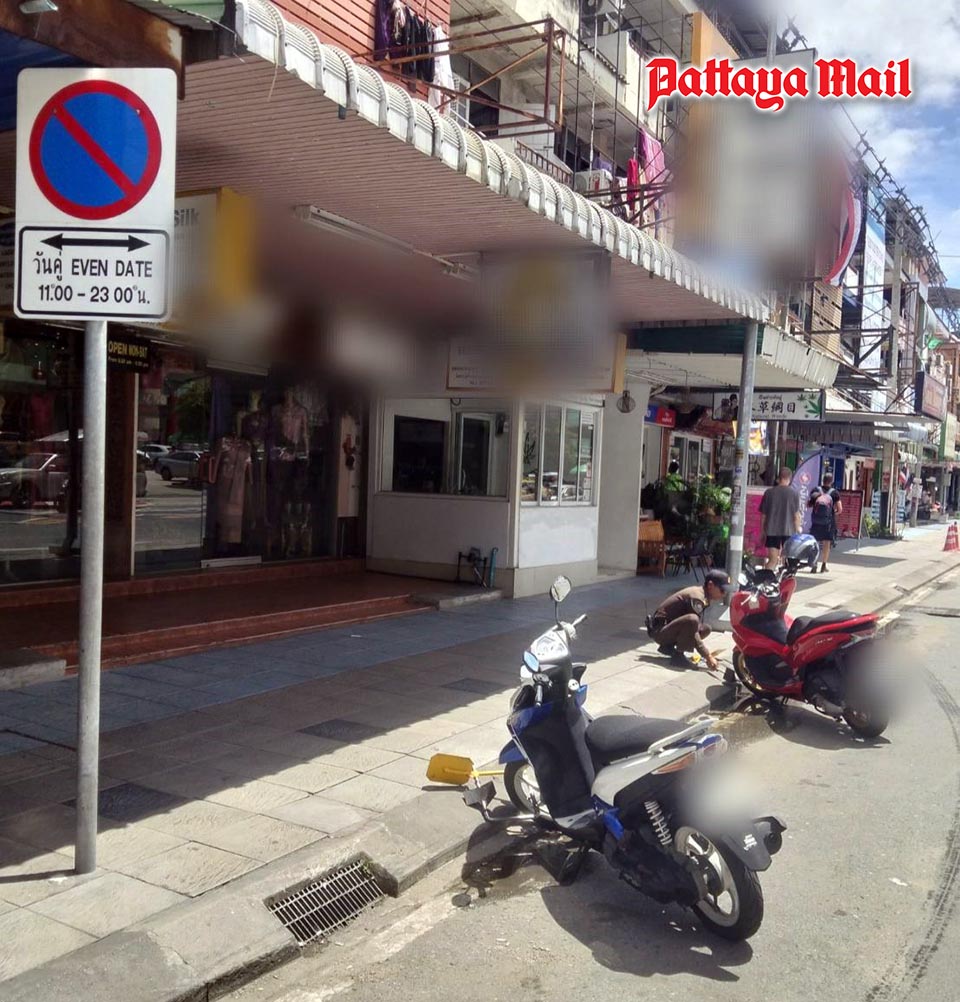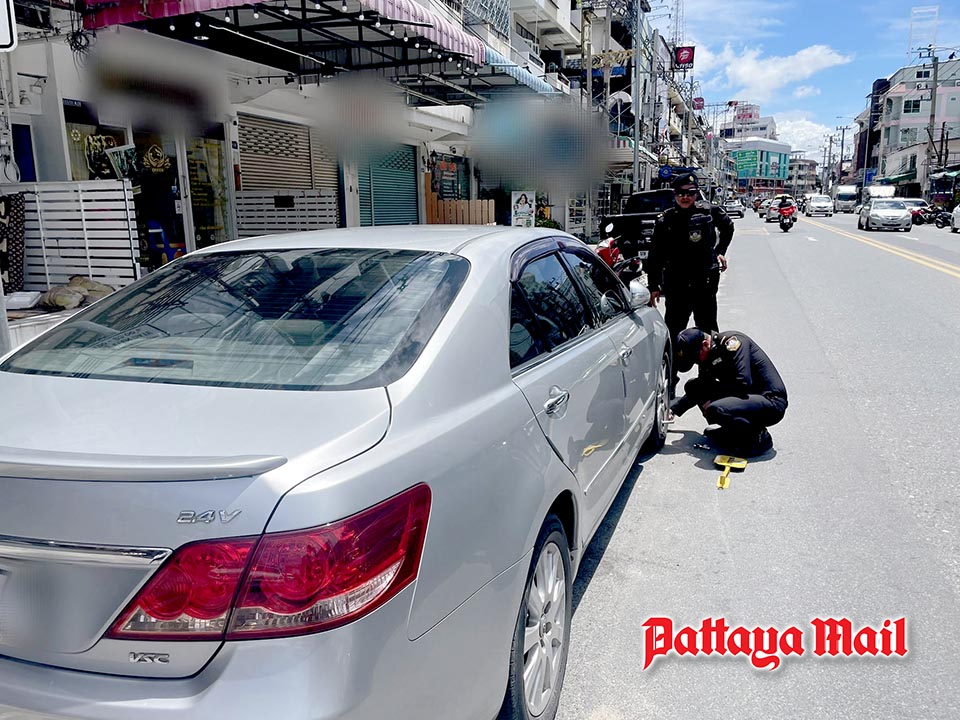
PATTAYA, Thailand – Pattaya’s ongoing parking restrictions are creating growing frustration among residents, business owners, and visitors alike. While the city’s traffic authorities continue to enforce alternate-day parking bans on South Pattaya roads, critics say the measures are doing more harm than good, undermining street-level commerce and discouraging tourists from exploring local businesses.
Residents have noted that strict enforcement of no-parking zones, coupled with a lack of designated alternatives, has left street vendors, shops, and small enterprises struggling. Many businesses rely on convenient roadside access to attract customers, yet the current restrictions leave shoppers with limited options. Complaints range from abandoned vehicles blocking alleyways to empty parking spaces that cannot be used for commerce, creating an environment where everyday transactions become inconvenient or impossible.
“Enforcing no-parking rules without providing alternative spaces hurts both merchants and visitors,” said one local observer. “If tourists and residents cannot park near shops or restaurants, they will simply go elsewhere. Pattaya risks driving business—and money—out of its own streets.”
Critics also point out that the city’s reliance on baht-bus services, rather than improving public transport infrastructure, has compounded the problem. In contrast to European cities, where affordable and efficient public transport minimizes the need for private vehicles, Pattaya lacks a coherent system that allows residents and tourists to navigate the city without relying on cars. The result is traffic chaos, blocked streets, and frustrated visitors.
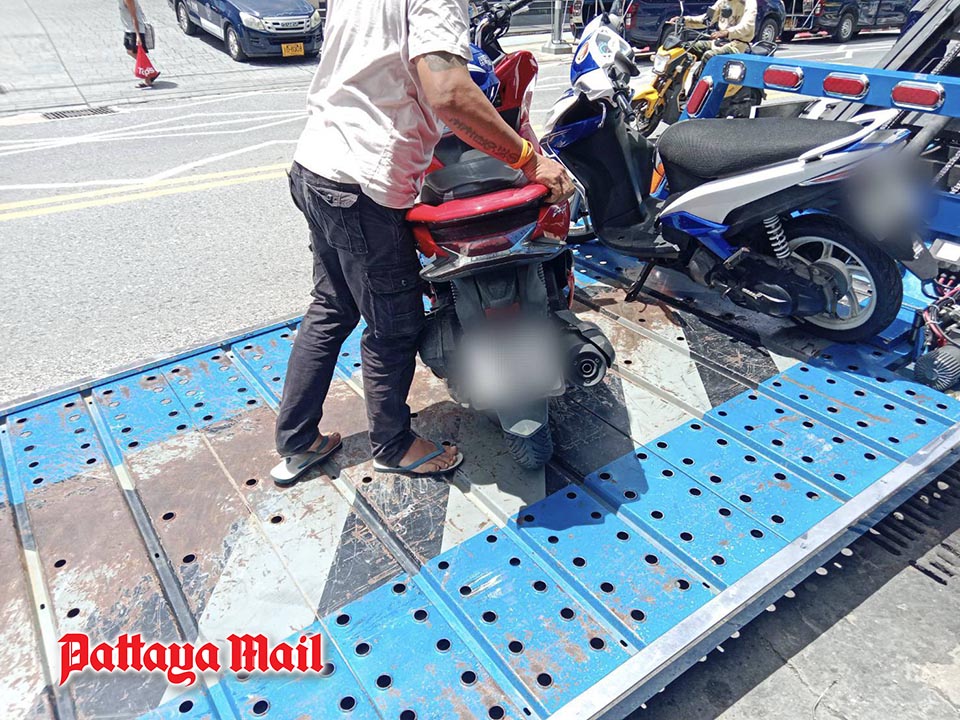
Complaints have been echoed online, with residents highlighting poorly marked signs, inadequate enforcement of rules for violators, and inconsistency in monitoring. “People park on the wrong day because signage is unclear or spaced too far apart,” said one user. Others noted abandoned or derelict vehicles cluttering streets, further exacerbating congestion and reducing the available space for legal parking.
Street businesses, which are essential to Pattaya’s tourism economy, now face a precarious future. Without clear solutions—such as sufficient, well-marked parking areas or a reliable public transport network—local commerce is likely to suffer. Authorities risk alienating both long-term visitors and casual tourists, potentially shrinking Pattaya’s market at a time when the city should be promoting itself as a vibrant, accessible destination.
For Pattaya to thrive, critics argue, city planners must rethink current policies. Effective solutions would include clearly designated parking areas, improved signage, and affordable public transport options that reduce reliance on private vehicles. Until then, Pattaya’s streets risk becoming a battleground between regulations and the very businesses and visitors they are meant to support.